FIFA World Cup 2034 to drive Saudi aluminium demand, set to surge 80% by 2030
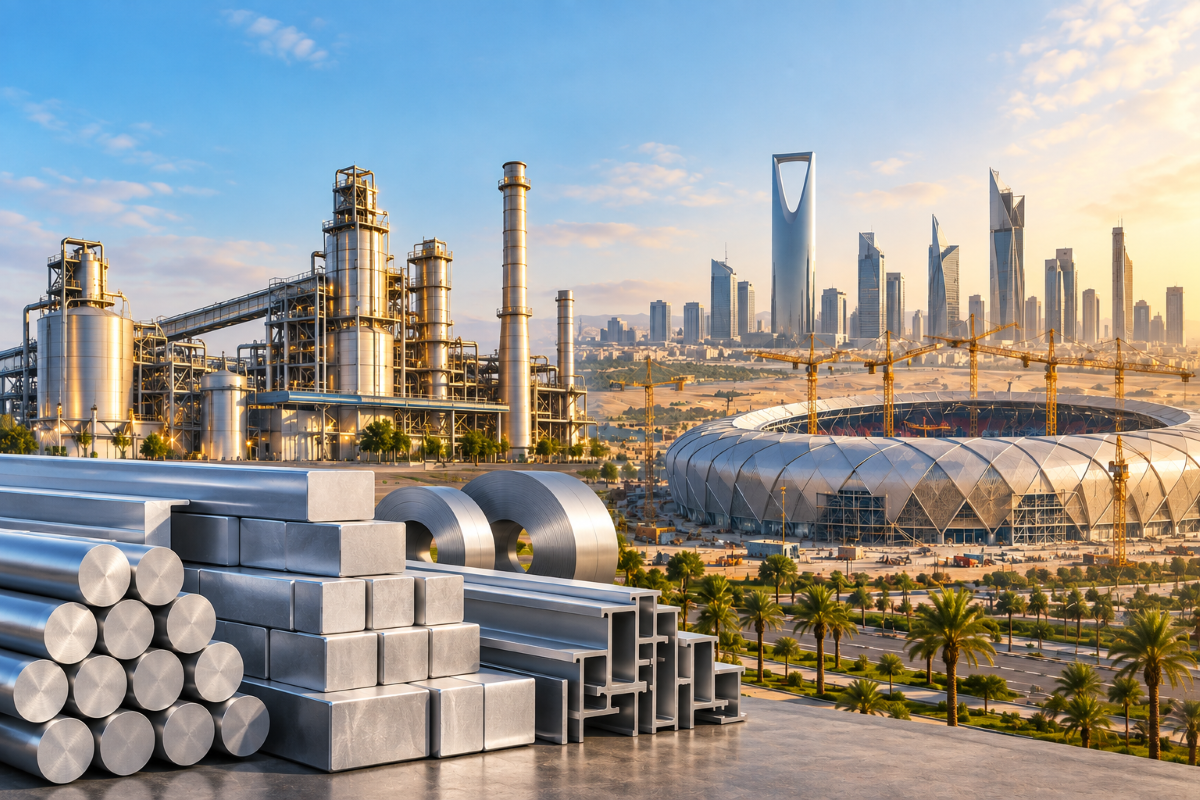
The image used in this article is generated with an AI tool and does not depict any real-time moment
Saudi Arabia’s aluminium consumption could climb to as much as 1.8 million tonnes a year by 2030, as the Kingdom ramps up infrastructure and industrial development ahead of the 2034 FIFA World Cup.
Ahmad Al-Alshaikh, executive vice president of Maaden’s Aluminum Business Unit, said demand is expected to reach at least 1.6 million tonnes annually by 2030, up from around 1 million tonnes currently. Consumption could potentially double over the next five to seven years, he said.
Speaking on the sidelines of the Fastmarkets International Aluminium Conference in Budapest, Al-Alshaikh said construction of 15 new stadiums for the football tournament is helping to support aluminium demand, Reuters reported. Major exhibitions and preparations for the World Cup are also expected to contribute to the increase.
Explore the production, demand and consumption forecasts of bauxite and alumina in our report: “Global Bauxite & Alumina Market Forecast to 2036: Supply–Demand, Trade Flows & Price Outlook”
Maaden expands aluminium footprint as domestic demand grows
The expected rise in Saudi aluminium consumption comes as Maaden continues to build its position across the domestic value chain.
The company produces around 780,000 tonnes of primary aluminium annually and about 1 million tonnes of cast metal. Around 85 per cent of its production is sold in the domestic market, according to Al-Alshaikh.
Maaden’s aluminium business recorded its strongest quarterly financial performance on record in the second quarter. Revenue rose 49 per cent year on year to USD 1.01 billion, while earnings before interest, taxes, depreciation and amortisation more than doubled to USD 411 million, according to its August results.
The company attributed the performance to higher realised aluminium prices, which increased 51 per cent year on year to USD 3,915 per tonne. Production volumes stood at 242,000 tonnes during the quarter.
Aluminium is also central to Saudi Arabia’s industrial diversification plans, with demand spanning automotive, aerospace, renewable energy and advanced manufacturing. The Kingdom is expanding its aluminium and downstream capacity, with Maaden’s integrated complex in Ras Al-Khair serving as a key industrial asset.
In January, then-Industry Minister Bandar Alkhorayef said initial terms had been signed with Red Sea Aluminium Holdings for an integrated aluminium complex in Yanbu.
To explore trade opportunities of secondary aluminium, visit AL Biz
Grow with
AL Circle