Europe’s aluminium sector hit by rising costs, lower output and weak demand

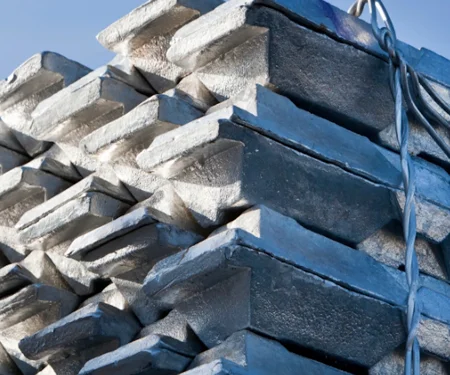
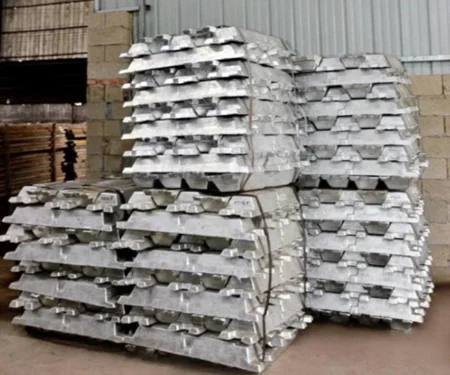
Stock image for referential purposes only
High energy prices continue to pressure the European aluminium industry, with market participants warning that costs could rise further if disruption risks around the Strait of Hormuz persist.
Europe’s summer energy restocking season could add further strain to supplies and increase the risk of additional price spikes, market analysts said.
Aluminium production is heavily dependent on electricity. The International Aluminium Institute estimates that producing one tonne of aluminium requires around 14–15 megawatt-hours of electricity.
The European Commission said on May 8 that there were no immediate concerns regarding EU energy security, although it warned that “global price spikes remain a concern.”
High power prices continue to affect aluminium producers across Europe. According to Massimo Grifone, commercial director at Cauvin Metals, “In Germany, recycled aluminium production fell by 3 per cent in the first quarter of 2026, confirming the operational difficulties facing the European sector amid high energy costs, compressed margins and still-weak downstream demand.”
Several European smelters have reduced or halted production in recent years because of rising electricity prices.
Alcoa’s San Ciprián smelter in Spain, which has annual capacity of 228,000 tonnes, curtailed operations in 2021 but has since restarted and is currently operating close to full capacity. The smelter is reported to have secured energy hedging arrangements through 2027 while exploring longer-term power solutions.
Other facilities affected include Aldel in the Netherlands, which has remained offline since 2021, along with Uniprom’s KAP smelter in Montenegro and Speira’s Rheinwerk operations in Germany, both of which shut down in 2023.
Explore our e-magazine “Sustainability & Recycling: Aluminium's Dual Commitment” for the latest industry insights and trends.
Supply tightness pushes premiums higher
Supply constraints remain a major concern for the market. Analysts estimate output from affected smelters will total around 3.445 million tonnes in 2026, compared with 6.151 million tonnes in 2025, representing a decline of about 44 per cent. Recovery is expected to take between six and 12 months.
The Middle East remains an important supplier to Europe, accounting for around 20 per cent of the continent’s aluminium supply. However, regional disruptions have affected production levels.
Market sources indicated that Aluminium Bahrain (Alba) was operating at around 50 per cent capacity in late April, while Emirates Global Aluminium (EGA) declared force majeure on some contracts on March 28.
Norway-based Norsk Hydro, which owns a 50 per cent stake in Qatalum, reported on March 12 that the smelter was operating at about 60 per cent capacity because of energy shortages.
In addition, South32 placed its Mozal aluminium smelter in Mozambique on care and maintenance on March 16 due to high energy costs and later reported lower production levels.
The tighter supply situation has pushed aluminium premiums sharply higher across Europe. Aluminium billet premiums have doubled since the start of the conflict and have returned to levels last seen in 2022.
Fastmarkets assessed the aluminium 6063 extrusion billet premium in North Germany at USD 1,175–1,250 per tonne on May 29, compared with USD 560–600 per tonne on February 27. Analysts also pointed to growing backwardation in aluminium markets, reflecting concerns over near-term supply shortages.
To gain insights into the the current aluminium extrusions market, explore our report The World of Aluminium Extrusions – Industry Forecast to 2032
“The market is effectively pricing a short-term scarcity premium, even as broader fundamentals remain largely understood and priced further along the curve,” analysts said.
The cash-to-three-month aluminium spread widened to a backwardation of USD 97 per tonne, compared with USD 73 per tonne on May 26. Some traders believe this could encourage suppliers to release additional metal into the market, potentially easing immediate shortages.
The P1020A aluminium premium in Rotterdam was assessed at USD 565–605 per tonne on May 29, up from USD 360–390 per tonne on February 27.

From CBAM to tariffs: How industry leaders are preparing for aluminium's changing policy landscape
Next articleAustralian unions push for state-backed green power to support aluminium industry
Grow with
AL Circle