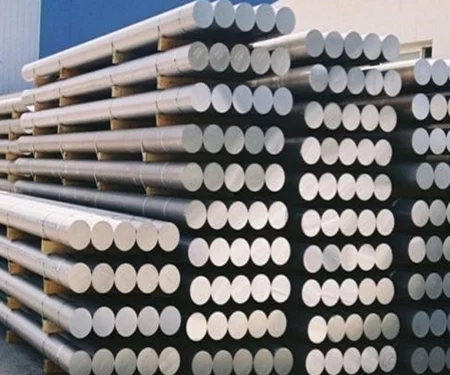
European Aluminium launches Circular Aluminium Action Plan

European Aluminium launched its Circular Aluminium Action Plan to ensure that all end-of-life aluminium products are collected and recycled efficiently in Europe by 2030. The plan also aims to maximise aluminium recycling rates and to keep the material in active use.
Circular Aluminium Action Plan builds on the industry’s Vision 2050 and provides policy recommendations to increase recycling rates.
“The aluminium industry is committed to helping deliver the European Green Deal, building on its long-standing commitment to sustainability. Our end goal is to achieve the full potential of aluminium circularity by 2030 and we won’t stop until we’ve achieved it. The Circular Aluminium Action Plan provides a roadmap for European policy makers and the European aluminium industry to work together to make this ambition a reality,” said Gerd Götz, European Aluminium’s Director General.
The aluminium recycling process requires only 5 percent of the energy to make primary metal. In Europe, the automotive and building sectors have recycling rates of over 90 percent, while aluminium beverage cans have a recycling rate of 75 percent.
Under the new plan, 50 percent of Europe’s demand for aluminium could be supplied through post-consumer recycling by mid-century.
As a result, aluminium recycling could reduce CO2 emissions by up to 39 million tonnes per year by 2050 compared to today, which corresponds to a reduction of 46 percent of CO2 per year in 2050, achieved mostly by replacing carbon intensive primary aluminium imports from outside Europe with recycled domestic post-consumer aluminium, European Aluminium said.

Per Klevnäs, Partner at Material Economics, commented: “Aluminium recycling is a significant industrial and environmental opportunity for the EU. As more metal becomes available, the EU has a chance to build its economy increasingly on circular resources, capturing large value while reducing CO2 emissions. As the Circular Aluminium Action Plan shows, building this industry will take decisive policy support, new value chain collaborations, and technical as well as business model innovation.”
China allows 191,000 tonnes of aluminium scrap in its fifth batch of import quotas for 2020
Next articleHungary’s Aluminium scrap export shows growth during 2017-19: Estimated dip by 2.08% in 2020, while revenue generation rises by 7.35%
Grow with
AL Circle