EU warns of counteraction against Donald Trump’s new aluminium and steel tariffs
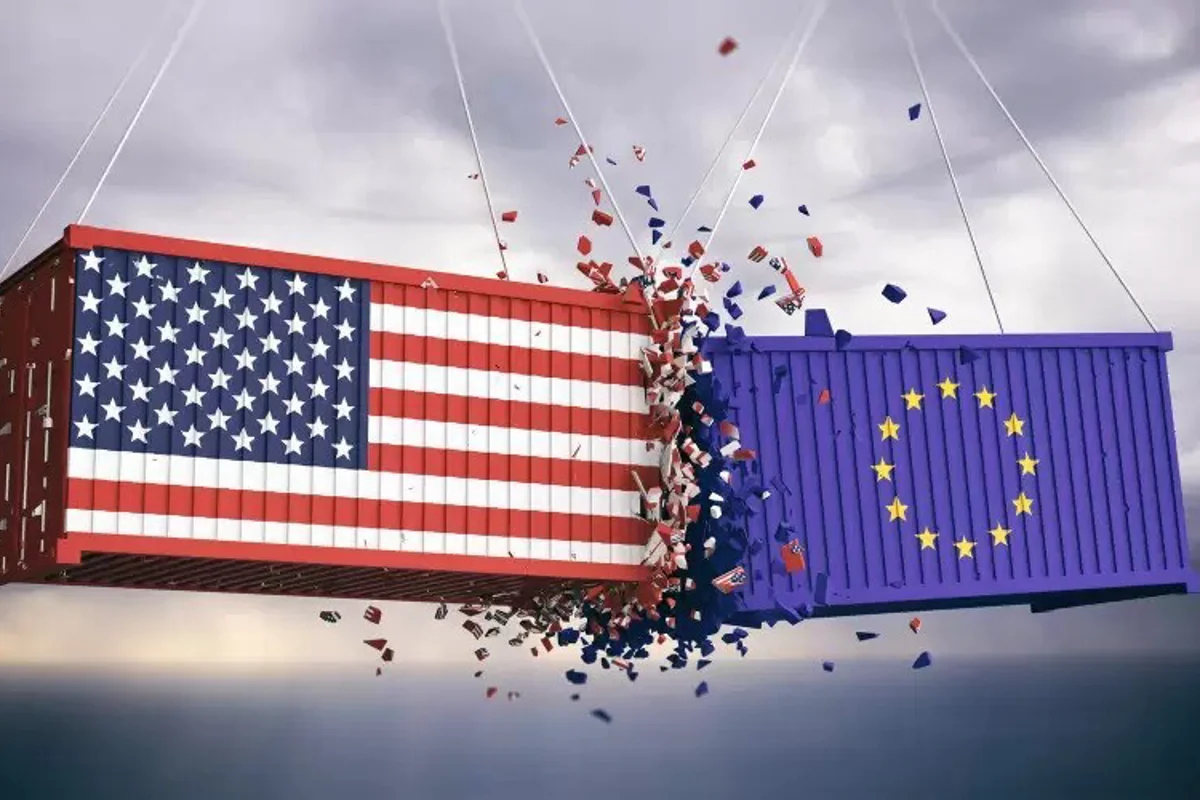
In response to the new aluminium and steel tariffs announced by US President Donald Trump, just days after postponing tariffs on North American neighbours, the European Commission is committed to taking action to protect the interests of the European Union.
Describing Trump's tariff measures as unjustified and meaningless,, the European Commission said, "We will react to protect the interests of European businesses, workers, and consumers from unjustified actions. However, it will await formal notification before deciding on a response."
On Sunday, Donald Trump said he would impose 25 per cent tariffs on aluminium and steel imports just like he did during his first term, citing national security concerns. In 2018, he levied a 25 per cent duty on steel and 10 per cent on aluminium, affecting €6.4 billion ($6.6 billion) worth of EU exports.
As a retaliatory measure, a counter-tariff was imposed on the US goods worth $2.8 billion, including bourbon and Harley-Davidson motorcycles. This cycle of action and counter-action eventually ended under former US President Joe Biden, who intervened and extended an agreement to the EU, pausing tariffs until the end of 2024. In response, the EU also delayed its retaliatory measures until March 31, resulting in 384,000 tonnes of aluminium and 3.3 million tonnes of steel entering freely into the US.
But now again, reacting to the new tariff plans by the US, French Foreign Minister Jean-Noël Barrot warned of zero tolerance for unfair trade restrictions. "There is no hesitation when it comes to defending our interests," Barrot said in a statement to TF1.
French President Emmanuel Macron also reacted to the US tariffs, urging Washington to focus on addressing its trade concerns with China rather than targeting the EU.
Other countries like Canada, Mexico, and China, who are also likely to face US import tariffs as key trade partners, cautioned the United States that these tariffs could disrupt the entire North American aluminium supply chain. Meanwhile, China has already enforced duties on imported US goods, such as liquefied natural gas, coal, and agricultural products, while restricting exports of critical raw materials to the US.
Prebaked anode prices continued to rise during the period, cost side strongly increased, putting pressure on enterprises' production
Next articleSHFE aluminium fluctuates at high levels, spot aluminium transactions moderate
Grow with
AL Circle