Equity stakes emerge as US weapon in critical minerals race
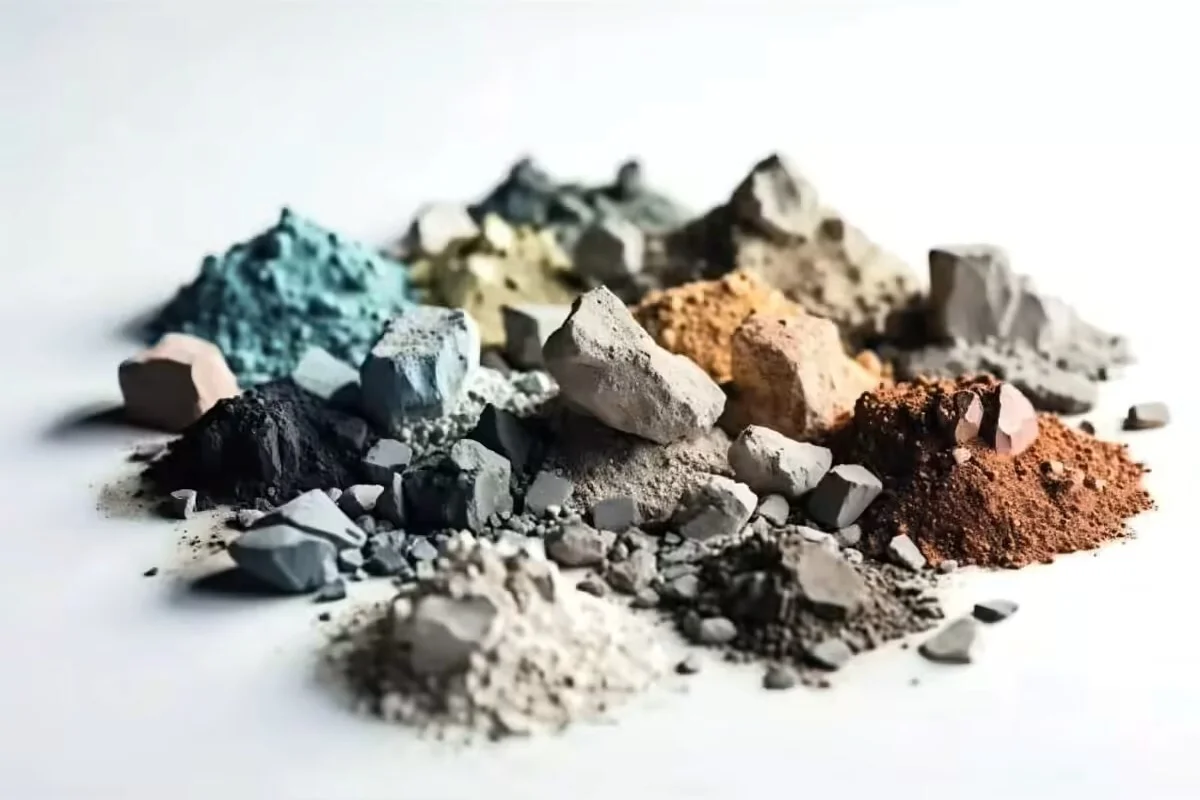
New plans by the US government have been rolled out for taking up more equity stakes within the critical minerals’ companies, as reported by the White House officials in the last month. This strategic plan, which is also referred to as the once-rare move, is deemed necessary for encountering China's dominance concerning the raw materials usage from semiconductors to MRI machines.
Jarrod Agen, the Executive Director of the National Energy Dominance Council, speaking at a forum in Washington, stated, "I think they’re the norm from our perspective. There is a broad scope of different companies that are coming to us. They’re making the right case."
Products ranging from consumer gadgets like iPhones to industrial magnets make use of critical minerals like gallium and cobalt. Not only in these sectors, but these critical minerals are also vital within the defence systems for areas like missile guidance, jet engines, radar, batteries and other technologies, as they aid in cutting down carbon pollution. Last year, Trump spent more than USD 1 billion to take on the stakes in critical minerals and mining companies, especially for the firms whose stock prices are climbing.
Must read: Key industry individuals share their thoughts on the trending topics
There are multiple investments that the US government has taken up which also includes an announcement made in July, 2025 about providing USD 400 million in an exchange of 15 per cent stake in MP Materials Corp. Apart from this, the US government also put in USD 670 million for the share of the magnet producer named Vulcan Elements Inc and another USD 35.6 million for a 10 per cent stake of a Canadian minerals explorer named Trilogy Metals Inc.
In September 2025, Trump further announced about acquiring Lithium Americas Corp. stake, which is deemed to be developing the lithium deposits within the country as part of restructuring an existing USD 2.23 billion loan held by a Canadian company with the Energy Department. However, in a brief interview, Agen refused to answer the question, suggesting what the company is going to do next.
In November 2025, certain reports stated that the US government was in talks to buy a stake in Critical Metals Corporation. In early December, the US also broadened its critical minerals list to add copper and metallurgical coal. Apart from this, the Japanese Prime Minister Sanae Takaichi revealed that Japan and the US will be working jointly to explore rare earth mining near Minamitori Island in the Pacific.
Additionally, the US will draft agreements with eight allied nations to bolster the critical minerals supply chain and secure essential resources for AI technology. This initiative is set to be discussed at a meeting on December 12, which will include delegates from Australia, Israel, Japan, the Netherlands, Singapore, South Korea, the UAE and the UK. The choice of these countries is based on their significance in semiconductor manufacturing and their reserves of critical minerals.
The investment of taxpayer dollars in companies is a strategy which has been implemented for maintaining and aligning the nation's security, as the US' dependency upon Chinese materials is rising as a flash point within the trade war. In reaction to US export restrictions, China decided to limit shipments of rare-earth elements, which momentarily threw global supply chains into disarray. However, China later relaxed these restrictions after the US lifted its countermeasures.
Agen commented, "We’re literally buying equity, getting equity in companies to give the backing of the US, because that’s the only way we’re going to catch up with China on these things. They know the government is backing us. No one wants to mess with President Trump, and so we can actually get the materials."
Explore- Most accurate data to drive business decisions with 50+ reports across the value chain
_0_0.png)
UK outlines bold 2035 vision for critical minerals security
Next article600 MW on offer, almost 3 GW delivered: Dominican tender ignites race
Grow with
AL Circle