The 2026 shifting focus reshapes the US critical minerals strategy beyond rare earth
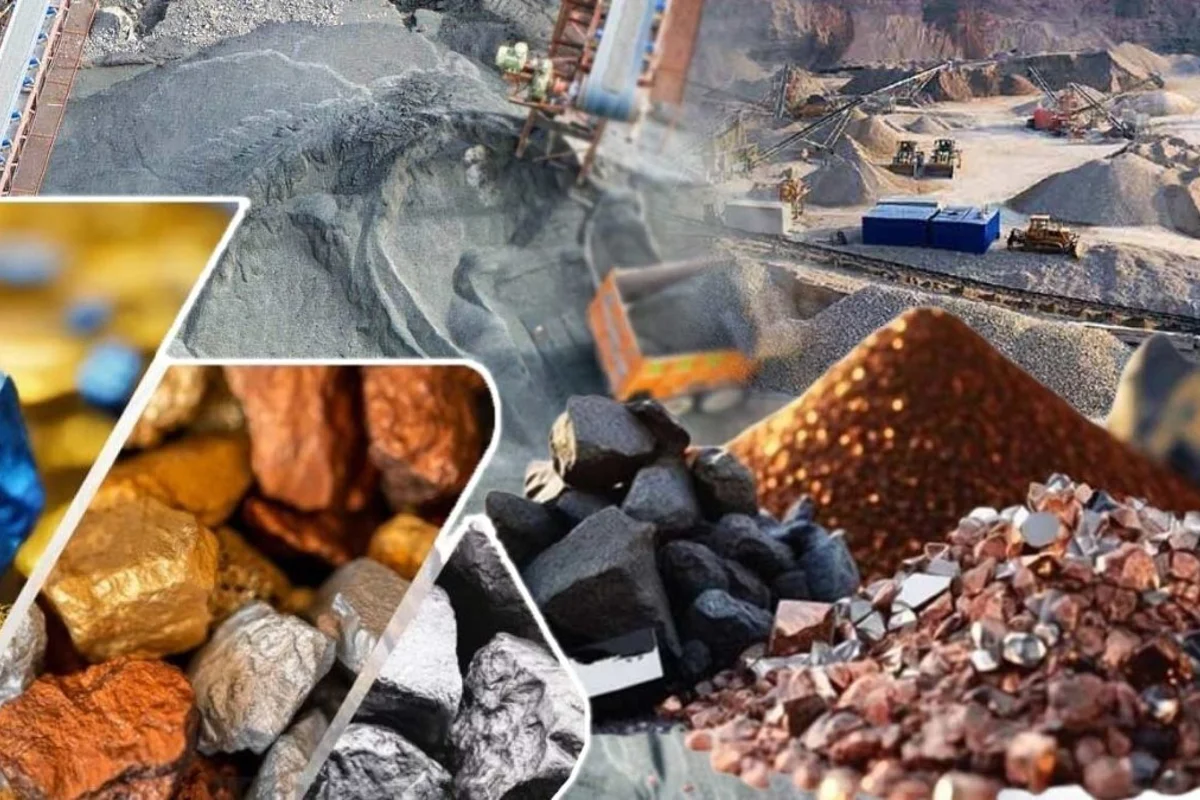
The federal critical mineral policy of the US in 2026 will be shifting its focus beyond rare earths towards the high-risk inputs, likely antimony and tungsten. This is mainly because the US are highly dependent on China, Tajikistan and Russia to receive a proper supply of these minerals in its defence alloys, munitions and flame-retardant applications.
Washington, with this shifted focus, will be prioritising the domestic processing capacity in place of the new mines and back alternatives towards the traditional smelting and further refining, which shall aid in reducing the overall emissions and bring down the US power prices.
Concurrently, the rising demand for electricity from the AI data centre will create pressure on metals like aluminium, copper, titanium and magnesium, creating a favourable situation for technologies that make use of lower energy use and bring the total production cost down.
Don’t miss out- Buyers are looking for your products on our B2B platform
Glaring at the emerging federal activity unveils two themes that are on the rise to the surface. These themes will extend the support for the high-risk minerals and the technologies that will be powering the domestic processing.
The shifting dynamics within the energy and manufacturing sectors are all about how traditional the US metal processing has become in the current scenario. Metals production like aluminium, copper, magnesium and titanium processing heavily relies on methods which may or may not have changed in the past decades, irrespective of heavy dependency on electricity.
Moreover, with the rising competition from AI and data centres for electricity, the cost of electricity is deemed to be a major pain point for those in the heavy industry in 2026 and beyond. With the shifting focus, a white space for the firms that will be able to cut the cost of production inputs, especially electricity, will be able to reduce harmful by-products, as well as lower overall production costs.
Must read: Key industry individuals share their thoughts on the trending topics
Attracting interest from the federal programs that are looking for ways to ramp up domestic manufacturing, especially against the global competitors, will be possible after properly blending innovation within the overall metal processing.
In order to boost the domestic mineral capabilities, the current presidential administration has made a clear priority for achieving the goal of putting the US as the global leader in terms of modern, sustainable and efficient mining projects.
As the focus shifts away from rare earths, advancements in processing and upholding industrial efficiency are deemed to transform how the US achieves critical mineral independence and reduce dependency on exports. The firms that showcase more dependable and cost-effective processing methods are likely to be in a strong position for the upcoming wave of federal funding as these changes take shape in 2026.
Explore- Most accurate data to drive business decisions with 50+ reports across the value chain
_0_0.png)
ElementUSA moves with an $850M critical minerals refinery in Louisiana
Next articleIndia turns to self-reliance as China curbs rare earth exports - can expansion plans bridge the gap?
Grow with
AL Circle