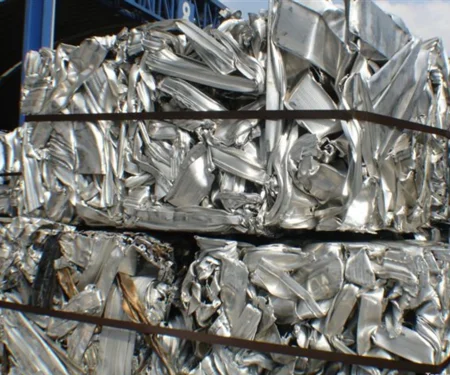
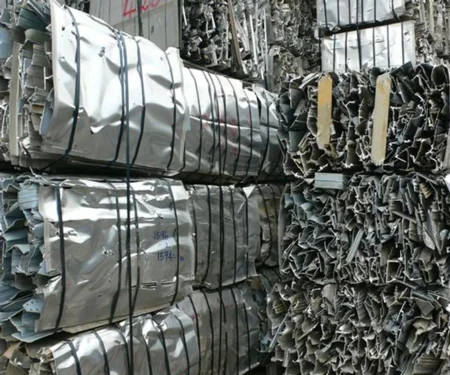
Energy crisis hit hard! Europe’s alumina production during Jan-Oct 2023 sees a 32% fall Y-o-Y
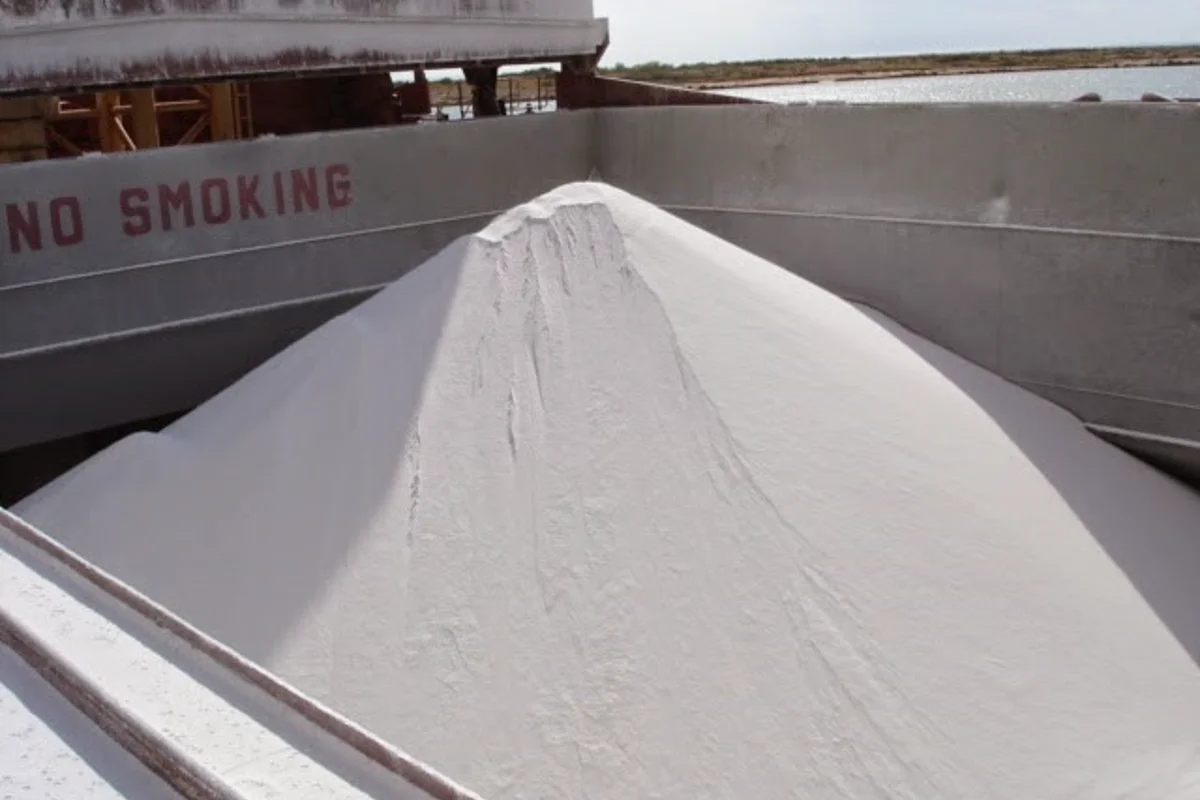
Aluminium value chain is a complete and thriving industry in Europe, with over 600 plants across 30 European countries. Presently, 9 million tonnes is Europe’s annual demand for primary aluminium, and by 2050, the demand is expected to grow till 18 million tonnes.
However, production has seen a dip in the recent past owing to the energy crisis since the beginning of 2023. The hit has not spared the alumina sector as well, bringing its production in the first ten months to 5.36 million tonnes compared to 7.09 million tonnes. That indicated a decrease of 32.28 per cent in Europe’s (including Russia) alumina output from January to October 2023.
As of early September 2023, about 1 million tonnes of European primary aluminium capacity went offline as the power-intensive sector struggled to cope with soaring energy costs.
According to the International Aluminium Institute survey, alumina production in Europe (incl. Russia) in October 2023 stood at 554,000 tonnes, up by 4,000 tonnes or 0.73 per cent rise month-on-month. In September, the output was 550,000 tonnes, encountering a dip of 1,000 tonnes from a month ago.
On a year-on-year basis, Europe’s (incl. Russia) alumina production in October 2023 recorded a sharp fall of 6.73 per cent from 594,000 tonnes.
Daily average alumina production in Europe (incl. Russia) during October 2023 was 17,900 tonnes, down by 2.2 per cent from 18,300 tonnes in September, despite a hike in monthly output. On an annual basis, the output declined by 6.77 per cent from 19,200 tonnes.

The world’s alumina production in October 2023 was 12.25 million tonnes, up by 2.17 per cent month-on-month from 11.99 million tonnes but almost restrained year-on-year compared to 12.21 million tonnes.
Nalco bags the prestigious CII-EXIM Business Excellence Award 2023
Next articleVedanta Lanjigarh receives 5 Gold awards, solidifying its industry reputation for excellence
Grow with
AL Circle