EN+ Chair Barker appeals carbon disclosure to be mandatory for Aluminium producers

Gregory Barker, executive chairman of EN+, the parent company of Russian aluminium producer Rusal stated carbon disclosure needs to be made mandatory for the aluminium producers promptly.
Barker was also very much clear of the fact that low-carbon aluminium futures contract needs to be introduced so that aluminium producers and buyers can better manage their price risks.
He also added: “While aluminium has many low carbon applications, from electric cars to sustainable, recyclable packaging, aluminium production itself still contributes over 2% of the world's total emissions and the aluminium sector cannot wait.”
"We are very clear. The aluminium industry has to wake up and take climate change seriously. Carbon disclosure needs to be mandatory. The transition to a low carbon economy is not an optional extra. It is an imperative," Barker said.

EN+ comments follow the launch in August by the London Metal Exchange of a discussion paper on sustainability and carbon emissions of the metals traded on the exchange. Central to the debate is whether emissions data should be disclosed on a mandatory or voluntary basis.
According to an LME sustainability document, the exchange already offers transparency around, pricing of, and access to metals that contribute to sustainable production, the circular economy and electric vehicles. "The next step is for us to build on that by increasing transparency – voluntarily – and providing access to a broader range of products and services," the document said.
The LME is proposing to launch in H1 2021 its LMEpassport – a digital register that records electronic Certificates of Analysis ("CoAs") and other value-add information – to include, voluntarily, carbon-related metrics for specific batches of aluminium subject to market acceptance. Also in H1 2021, it proposes to launch a spot trading platform, providing an online market place which offers access to low carbon aluminium to market users voluntarily.
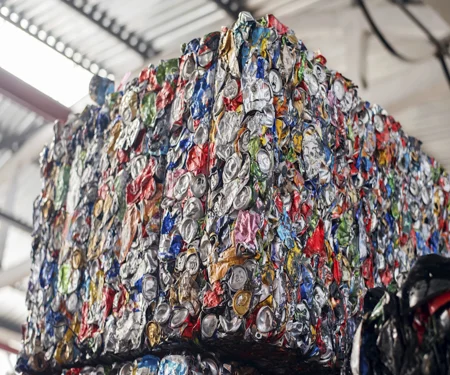
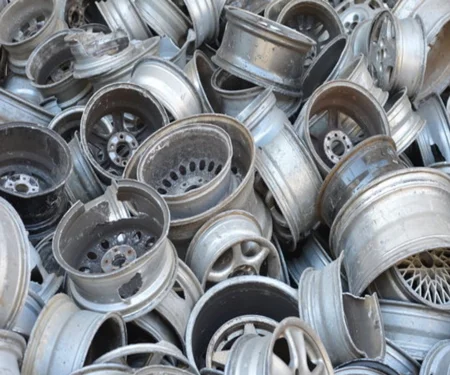
An aluminium scrap metal contract is also to be introduced by LME, to promote "reliable pricing and trading of scrap metal," the exchange said.
"Real change will take time. The full transition to a low carbon economy will take years but the longer we delay the greater the challenge our sector will face from other low carbon materials and with ESG now at the top of the list of so many investors and financiers, moving slowly is just not an option," Barker said.
In response to Barker's comments, the LME said: "We welcome all views in respect of our proposed sustainability strategy and are considering the feedback we've received as part of the discussion paper process." The exchange will publish a feedback analysis between now and the end of the year, it said.

According to EN+ Chair Barker, the vital challenge now is to create a competitive and substantial market for low-carbon aluminium, with sufficient demand to trigger an expansion in production. It is hard to predict any great impact on prices anytime soon.
He added: “EN+Group is in the process of crystallising a particular low-carbon aluminium premiums upcharge in some of our contracts where our partners are willing to pay for high-quality low-carbon material with a specific origin and features."
Alcoa Corporation, the US aluminium producer announced in late September that it is introducing a low-carbon, smelter-grade alumina brand, EcoSource, as part of its efforts to reduce emissions throughout the broader aluminium supply chain and support more sustainable end-products, while Alvance, the aluminium subsidiary of GFG Alliance, is developing low-carbon aluminium products as part of its move to become carbon-neutral at group level by 2030. Rio Tinto is also progressing with low-carbon aluminium production initiatives.
The recent pledge by China to achieve carbon-neutrality by 2060 could meanwhile impact the aluminium industry globally, according to Barker, who described this news as "very welcome indeed and extremely significant."
Three-month LME aluminium settled higher at $1799/t as easy US monetary policies offset worries; SHFE climbed to $2181/t
Next articleCOVID-19 Impact Continues: ICRA fears aluminium consumption to decline by 8% in the current calendar year
Grow with
AL Circle