EGA pinpoints procurement opportunities costing UAE companies millions of dirhams to be produced locally
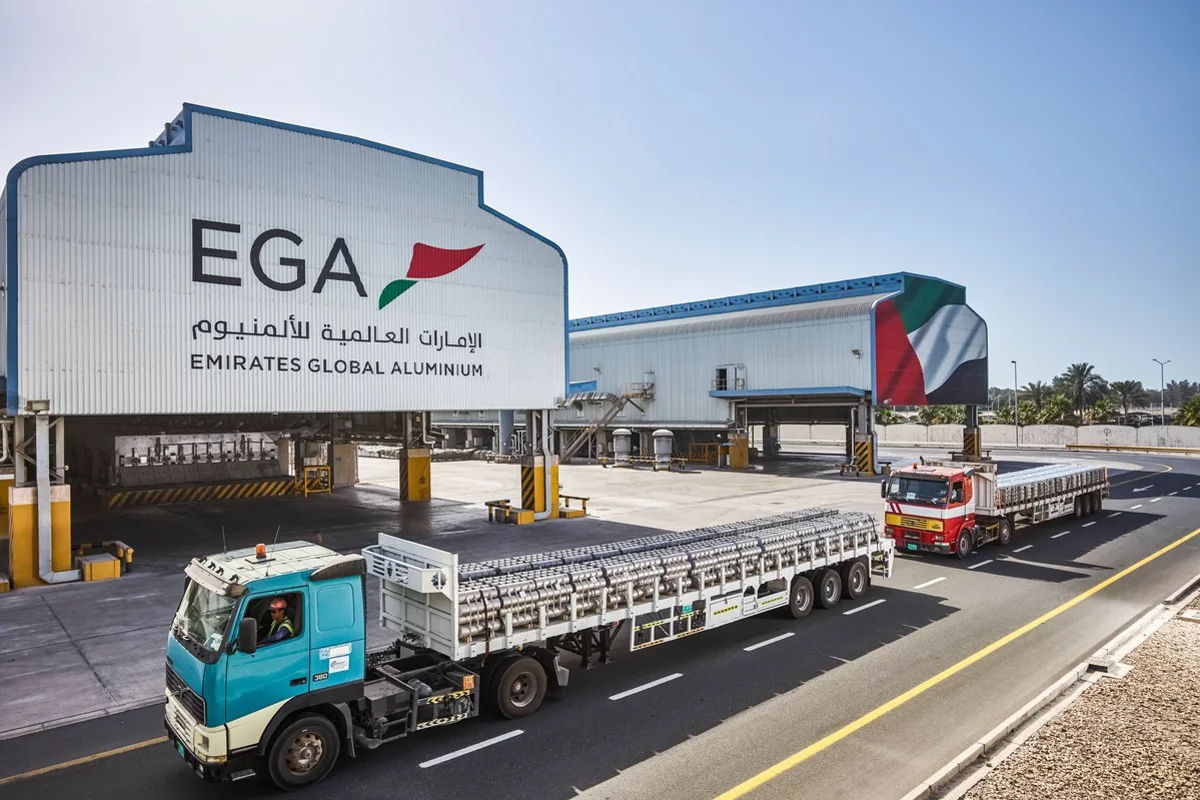
The aluminium conglomerate in the Middle-east region, Emirates Global Aluminium (EGA), with interests in bauxite, alumina and primary aluminium smelting, has diagnosed millions of dirhams of annual procurement spending are accounted on imported goods, that the aluminium producer counts be manufactured domestically, thus contributing to the UAE's Operation 300bn industrial growth strategy and economic growth.
Typical opportunities include general materials, industrial equipment, and spare parts commonly needed across industries but not currently manufactured in sufficient quantities or at all in the UAE.
As part of Operation 300bn, the UAE's strategy to more than double the size of its industrial sector by 2031, EGA aims to localize its procurement of materials further.
In 2021, EGA spent over AED 17 billion on procurement, with 46% sourced locally. Its most significant expenditures are on raw materials, some of which cannot be produced in the UAE due to its lack of natural resource endowment.
It was EGA's pleasure last year to participate in the Ministry of Industry & Advanced Technology's In-Country Value initiative. This program aims to redirect public and private procurement of products and services to the local economy. As long as a local supplier meets the company's quality and sustainability requirements, its priority is to use them commercially.

Abdulnasser Bin Kalban, the Chief Executive Officer of Emirates Global Aluminium, said, “At EGA, we aim to double our total contribution to the economy of the UAE by 2040, and local procurement is part of that. We procured over AED 8 billion in goods and services in the UAE last year. We want to stimulate the development of new manufacturing in the UAE to meet more of our demand to boost this local spending further.”
Through partnerships with the Ministry of Industry & Advanced Technology, EGA is highlighting to potential investors the possibility of developing UAE production of a number of key raw materials it needs that could be produced locally, where long-term demand could make these projects feasible.
LME aluminium price declines to US$2,240/t due to jump in inventory; SHFE price slumps by US$43/t
Next articleIran’s aluminium ingot production records Y-o-Y hike of 23% to 318,091 tonnes
Grow with
AL Circle