Economic and policy challenges in Australia’s aluminium recycling industry
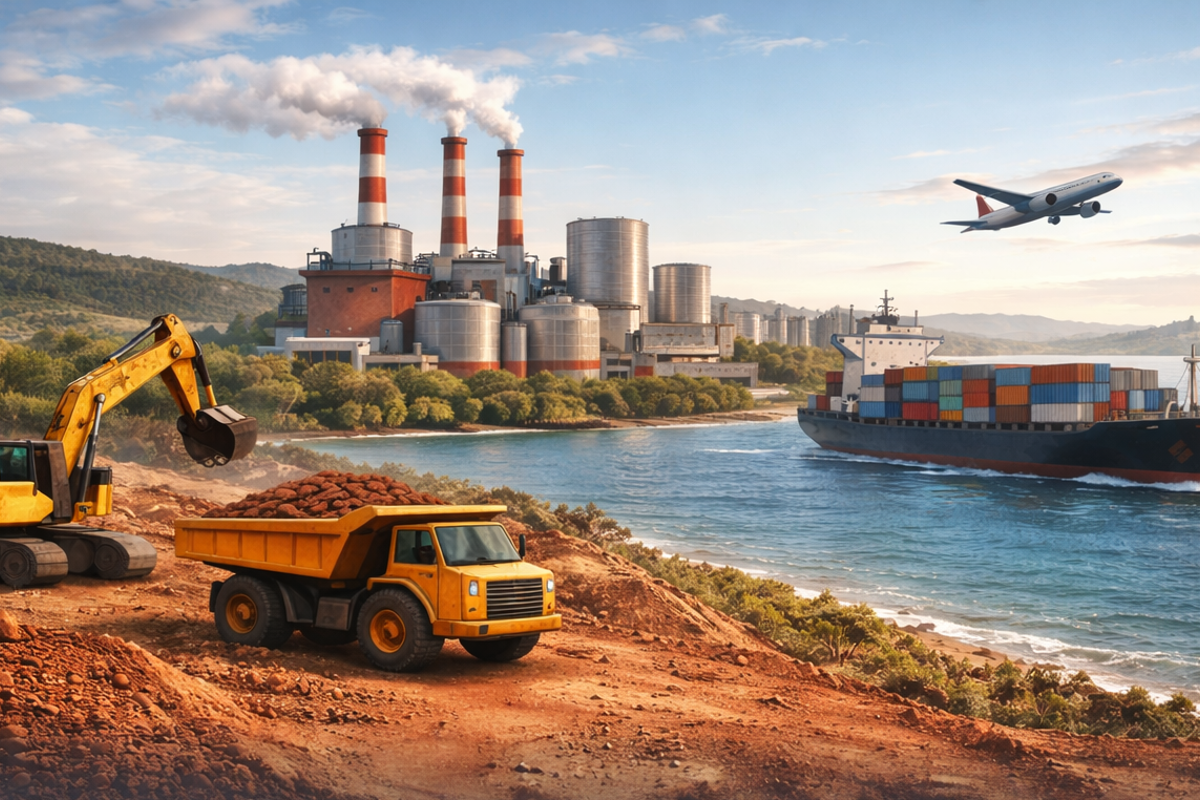
The aluminium industry has been driving the Australian economy since 1955. The industry includes six bauxite mines that together produce more than 100 million tonnes annually, making Australia one of the world’s largest producers of bauxite. The country is also the largest exporter of alumina, with five refineries producing about 17 million tonnes each year. In addition, Australia is the seventh-largest producer of aluminium, with four aluminium smelters and several downstream processing industries, including more than twenty extrusion presses.
For the global aluminium value-chain 2026 outlook, book our exclusive report “Global ALuminium Industry Outlook 2026"
Aluminium is the most valuable export within Australia’s manufacturing sector. The industry provides direct employment to more than 20,000 workers. In addition, it indirectly sustains around 55,000 households, mainly in regional parts of the country, where wages are about 60 per cent higher than the national average in the manufacturing sector. Overall, the aluminium industry adds more than USD 12.6 billion to the Australian economy and generates over USD 10.5 billion in exports each year.
The Australian Aluminium Council (AAC), the representative of the bauxite mining, alumina refining and smelting industries in Australia, have stated in a new report that though aluminium recycling has strong potential to support lower-emission manufacturing, several financial, technological, and regulatory challenges are currently limiting investment in domestic recycling and remelting facilities.
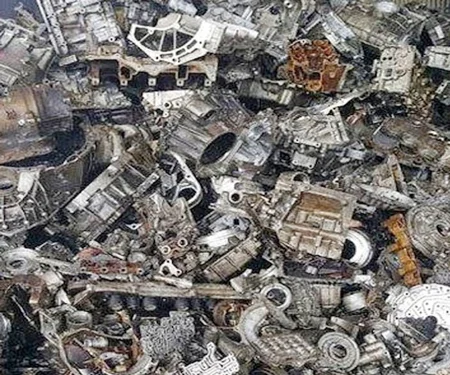
Recycling aluminium uses only about 5 per cent of the energy needed to produce new aluminium. As a result, many manufacturers and construction companies are showing greater interest in low-carbon recycled materials. However, remelting projects are still not profitable under current conditions. Marghanita Johnson, CEO of the AAC, said, "High energy costs, tight scrap margins, technical complexity and fragmented policy settings are all acting as barriers to investment."
The report says that aluminium producers in Australia have gradually expanded closed-loop recycling (a sustainable process where waste products are transformed without degrading material quality) for production scrap, showing strong technical ability and responsible resource management.
However, further expansion is difficult without major investment in remelting facilities and further improvement and support.
Don't miss out- Buyers are looking for your products on our B2B platform
In Australia, scrap prices are usually more than 90 per cent of the benchmark price set by the London Metal Exchange. Because of this, domestic remelters earn very small profits after covering energy, transport, and processing costs. The situation is further complicated by mixed metal scrap, limited pre-processing facilities, and Australia’s large distances.
Australia’s current government programs are not specifically designed to support aluminium remelting, even though the process can significantly reduce carbon emissions. In cases of Europe, North America, and Asia, it is often the case that successful recycling industries develop with direct government support, emphasising the establishment of new remelting plants, improving technology, and developing necessary infrastructure.
Must read: Key industry individuals share their thoughts on the trending topics
The report suggests three main actions to address the current challenges. First, it is important to maintain the competitiveness of existing aluminium smelters, as they support industry skills and future recycling development. Second, investment in new remelting facilities should be encouraged through financial support such as grants, low-interest loans, and investment incentives. Third, market confidence and a stable supply of scrap can be improved through recycled-content standards, better procurement policies, improved transparency in scrap markets, and stronger transport and logistics support.
Johnson further shared her view, saying, “ This is not about mandating outcomes before the foundations are in place…It's about creating a condition where industry can invest, scale and compete in a lower-carbon global market.”

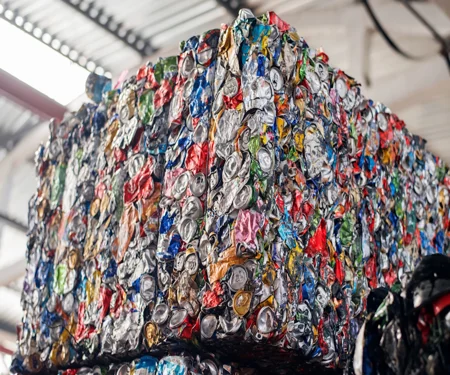
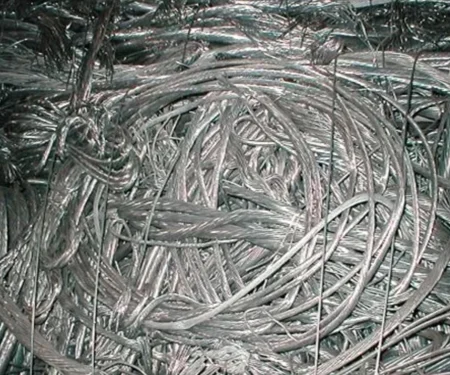
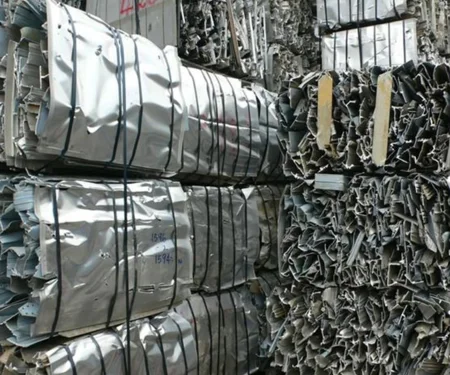
Note: The image used in this article is generated with an AI tool and does not depict any real-time moment
The ripple effect of Hormuz block: A worry for the Middle East or global trade?
Next articleHindalco shares surge nearly 7% as aluminium prices rise amid Middle East supply disruptions
Grow with
AL Circle