Despite EV sales growth in early 2019, electric automakers in China meticulous on delivery outlook
China’s new light-vehicle sales again dropped in February 2019 registering a drop of 17% YoY to fewer than 1.22 million cars and light trucks, mostly driven by the sluggish growth in the economy. However, driven by the carbon credit program started by China government during the beginning of the year, automakers in the country continued to ramp up electrical vehicle output in February. As a result, sales of EVs and plug-in hybrids registered a rise.
Automakers delivered about 53,000 EVs and plug-in hybrids in February, a jump of 54 per cent YoY. Demand for EVs advanced 69 per cent to around 40,000 while plug-in hybrid sales rose 19 per cent to about 13,000.
Total sales of EVs and plug-in hybrids for January and February nearly doubled to 148,000, with EV sales soaring 128 per cent to some 114,000 while plug-in hybrid deliveries increased 38 per cent to roughly 34,000.
However, despite the year-over-year growth, electric vehicle makers are meticulous about the outlook due to the slower growth in economy in China.
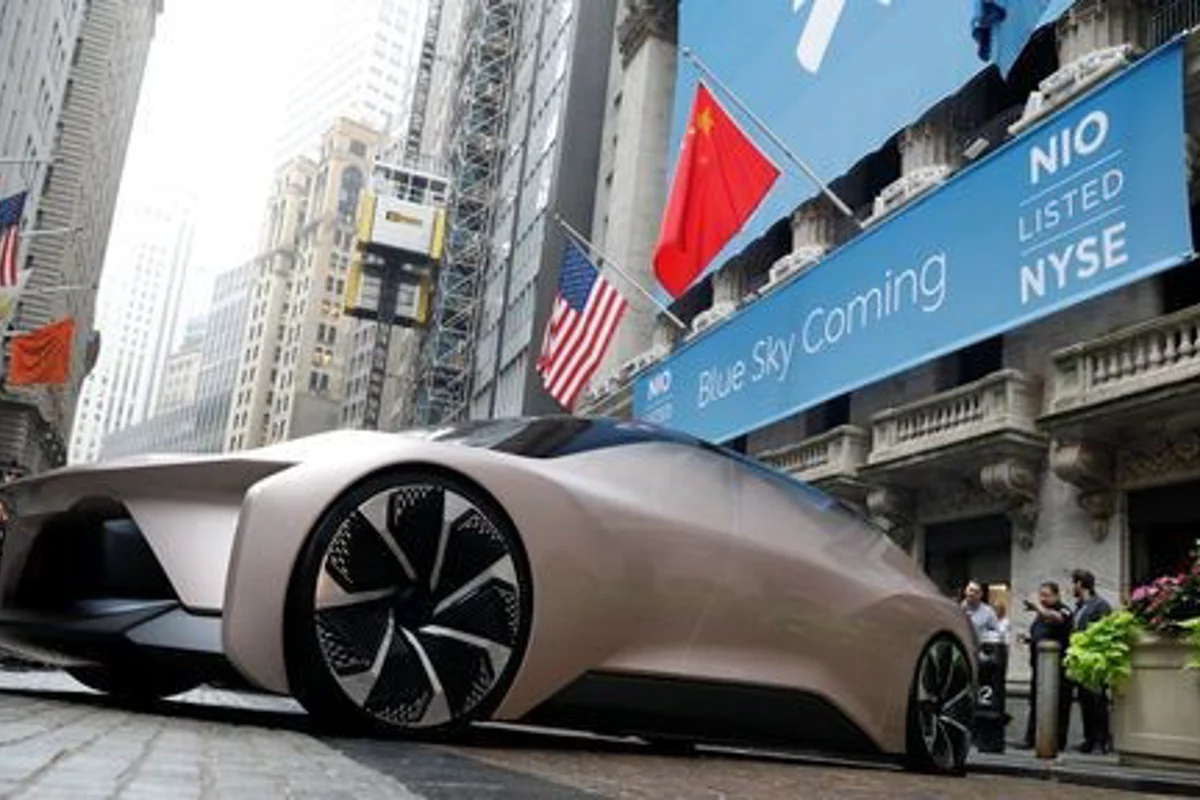
Chinese electric vehicle start-up NIO Inc. considering the still cooling China’s auto market, lowered its outlook for first-quarter deliveries and cancelled its plans to build a manufacturing plant in Shanghai.
While rival Tesla Inc. has lowered new-vehicle prices to boost sales, Nio does not have plans to lower prices. However, the analyst believes the company would have to eventually offer some discounts to survive amid peers’ new product launch/price discount. The electric vehicle purchase subsidy cut later this year may also further affect the sales.

The change in Nio’s sales outlook is not very unusual as Tesla also struggled with meeting delivery targets in the past. The company has recently started delivering the revolutionary Model 3 sedans in China, the largest auto market in the world. Tesla has also signed an agreement with lenders in China for a loan of up to 3.5 billion yuan ($521 million) for the electric-car maker's Gigafactory in Shanghai, on which it broke ground in January.
Chinese Premier Li Keqiang predicted at a national meeting held in Beijing last week that domestic economic growth is likely to slow down to between 6 and 6.5 per cent in 2019 from 6.6 per cent in 2018.
China’s passenger car sales drop 17.4% YoY in February; while NEV sales up by 53.6%
Next articleHazlemere Commercial receives aluminium fenestration contract
Grow with
AL Circle