Demand for aluminium anticipated to escalate in the solar industry, disquiet on emissions to rise: UNSW

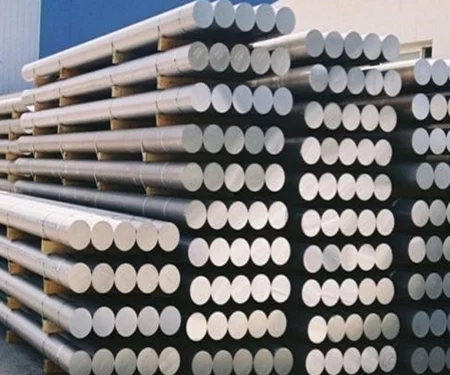
Aluminium is one of the vital commodities utilized in the solar power industry due to its valuable features of low weight, high conductivity and excellent corrosion resistance. In the solar industry, it is extensively used for making cells module frames, mountings and inverters. Aluminium ore is abundantly available and economic in price, whereas, the production of primary aluminium emerges with a high value in regards to energy consumption and greenhouse gas emissions, which is indeed taken into consideration for rapid minimization of emissions to ‘net zero’ and restrict global warming to <2 °C.
A team of researchers at the 2nd ranked in Australia, University of New South Wales (UNSW) have alerted about the climate pressure aluminium production could create if the world relies solely on primary production by 2050. As they found that the growth to 60TW of PV, forecasted by the broad electrification layout of recent photovoltaic roadmaps would require up to 486 Mt of aluminium by 2050. However, this immense manufacturing endeavour could in turn create climate compulsion due to its global warming potential.

Alison Lennon, a UNSW researcher said, “If the emissions intensity of the primary production process is not reduced, then more than 3000 Mt CO2e could be released in the atmosphere.”

“However, if we can decarbonise the electricity used to smelt aluminium, utilise as much secondary aluminium as possible and collect and re-use aluminium from old modules, then we can significantly curtail this global warming.”
Taiwan-based aluminium capacitor manufacturers may witness strong Q1 in 2022
Next articleRobot made from aluminium sheets can be an alternative to human firefighters, Mumbai fire brigade conducts R&D
Grow with
AL Circle