Critical role of long-duration energy storage in India's energy transition, especially for electricity-intensive sectors like aluminium
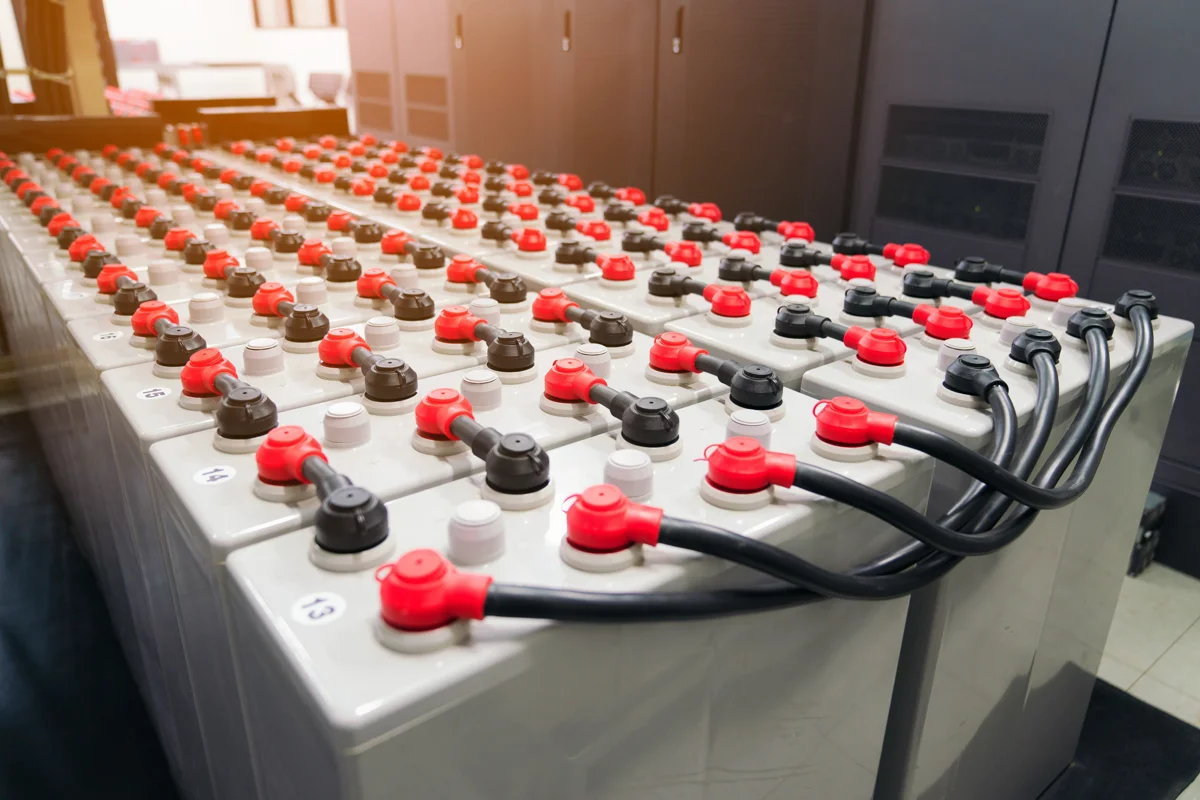
Stock image for referential purposes only
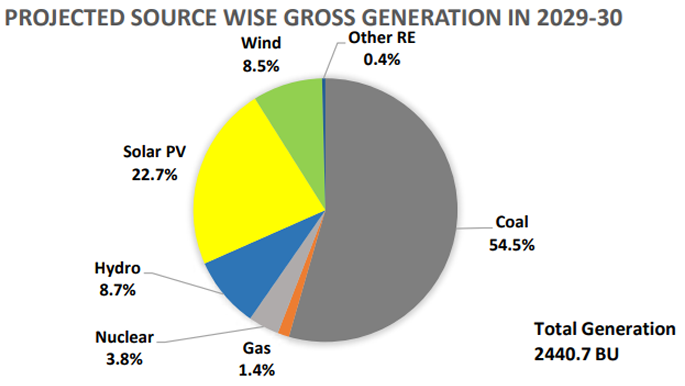
India’s progress towards the ambitious goal of achieving 500 GW of non-fossil capacity by 2030, on one hand, indicates the country’s strong commitment to sustainability, while on the other hand, it brings into question the robustness of the country’s energy storage infrastructure, which is vital for ensuring the reliability of renewable energy sources. Press Information Bureau shows India’s total installed generation capacity as of December 31, 2025, stood at 5,13,730 MW, of which non-fossil sources were comprised of 266.788 GW (51.93 per cent), exceeding the share of fossil-fuel capacity at 48.07 per cent. Given that the sources of non-fossil fuel energy are consisted of solar, wind, and hydro, which are largely dependent on the weather condition, the biggest question that looms is whether India has robust energy storage infrastructure to support manufacturing industries that rely on a steady supply of power.
India has an energy storage target and that is to meet 4 per cent of its electricity demand by 2030, which translates to 200-250 GWh of grid-scale storage capacity. Yet as of May 2025, India has only auctioned approximately 12.8 GWh of battery energy storage system capacity, of which 219MWh is operational. This leaves an enormous gap of over 5,000 per cent between the auctioned and operational storage capacity, highlighting the significant lag in meeting storage targets.
As per National Electricity Plan (NEP) 2023 of Central Electricity Authority (CEA), the energy storage capacity requirement in India was projected to be 82.37 GWh (47.65 GWh from PSP and 34.72 GWh from BESS) by FY2026-27, and this would be expected to increase to 411.4 GWh (175.18 GWh from PSP and 236.22 GWh from BESS) by FY2031-32. CEA also projects a steep rise in renewable energy capacity from about 350 GW in 2026-27 to nearly 616 GW by 2032, of which wind and solar is likely to contribute 486 GW together.
In this background, a glimmer of hope lies in the dramatic reduction in energy storage costs. Nearly 90 per cent of reduction in global storage prices has been reported over the last decade, which, going ahead, is expected to enable the cost-effective supply of low-cost renewable electricity during peak demand periods, addressing key limitations of renewable energy (RE). While a robust energy storage system would help India in its energy transition journey, it would enable the country to emerge as a hub for cutting-edge research and innovation, boost its manufacturing capabilities, create new jobs, and foster economic growth.
Long Duration Energy Storage Council is playing a key role here, identifying that the lack of long duration flexibility is leading to significant underutilisation and missed opportunities of renewable energy.
Shubhra Thakur, the Director - Policy and Markets, Asia- Pacific and Country Director- India at LDES Council, said: "India is at a critical stage in its energy transition, where the focus must now shift from simply adding renewable capacity to ensuring that clean power can be used reliably, at all times. Long duration energy storage gives India that opportunity, helping build a more resilient, flexible power system while also supporting the development of a strong domestic ecosystem around storage technologies. What’s needed now is a clear policy direction and planning for storage that reflects duration and reliability as well as capacity. That includes setting targets for long duration storage, creating stable and bankable revenue mechanisms, and improving access to financing so projects can be developed at scale.”
LDES technologies, which include electrochemical, mechanical, thermal, and chemical systems, provide a solution by discharging stored energy over extended periods - ranging from hours to days or even seasons. These technologies are crucial for energy-intensive industries like aluminium production, which accounts for 70 to 90 per cent of its energy consumption in the form of electricity used in the electrolytic reduction process. Long-duration energy storage can stabilise costs by storing excess renewable power when demand is low and providing it when energy prices are high or when industrial operations require a continuous supply of electricity, explained Shubhra Thakur in an exclusive interview with AL Circle.
Energy storage is critical for India's aluminium indistry more so because of its rapid transition to renewable energies. By 2030, the industry plans to invest a staggering amount of INR 42,000 crore (USD 4.48 million) in renewable energy by adding 20 GW capacity.
According to Mr. Alekhya Dutta from TERI (The Energy and Resource Institute) explains that nation-level policies are imperatives for LDES, identifying LDES as a “missing piece” for achieving 24×7 clean power. TERI estimates that India will require approximately 2,023 GW of LDES capacity by 2070 as part of its storage portfolio. This analysis comes from BEE-TERI Centre for Excellence for Energy Transition supported by Ministry of Power, Govt. of India and Bloomberg Philanthropies.
Mr Dutta says this whitepaper published by LDES explores a range of storage technologies including various chemistries in flow batteries, compressed and liquid air energy storage and innovative thermal and chemical energy storage, several of which TERI intends to develop for pilot projects in India to diversify storage supporting round-the-clock renewable energy integration.
Mr Alex Hogeveen Rutter, Manager, Third Derivative (RMI), said: "As India's Energy Transition gathers pace, longer duration energy storage will increasingly be required to replicate many of the grid functions of conventional generators. We are excited for the release of this policy paper on the technology options and opportunities for LDES in India"

SINEXCEL deploys 107.12 MW PCS converter-backed BESS for aluminium smelting cost optimisation in China
Next articleSouth Korea accelerates SME R&D drive to cut aluminium and steel carbon exposure
Grow with
AL Circle