Constellium or Alcoa: Who is benefiting more from the aluminium market upswing?
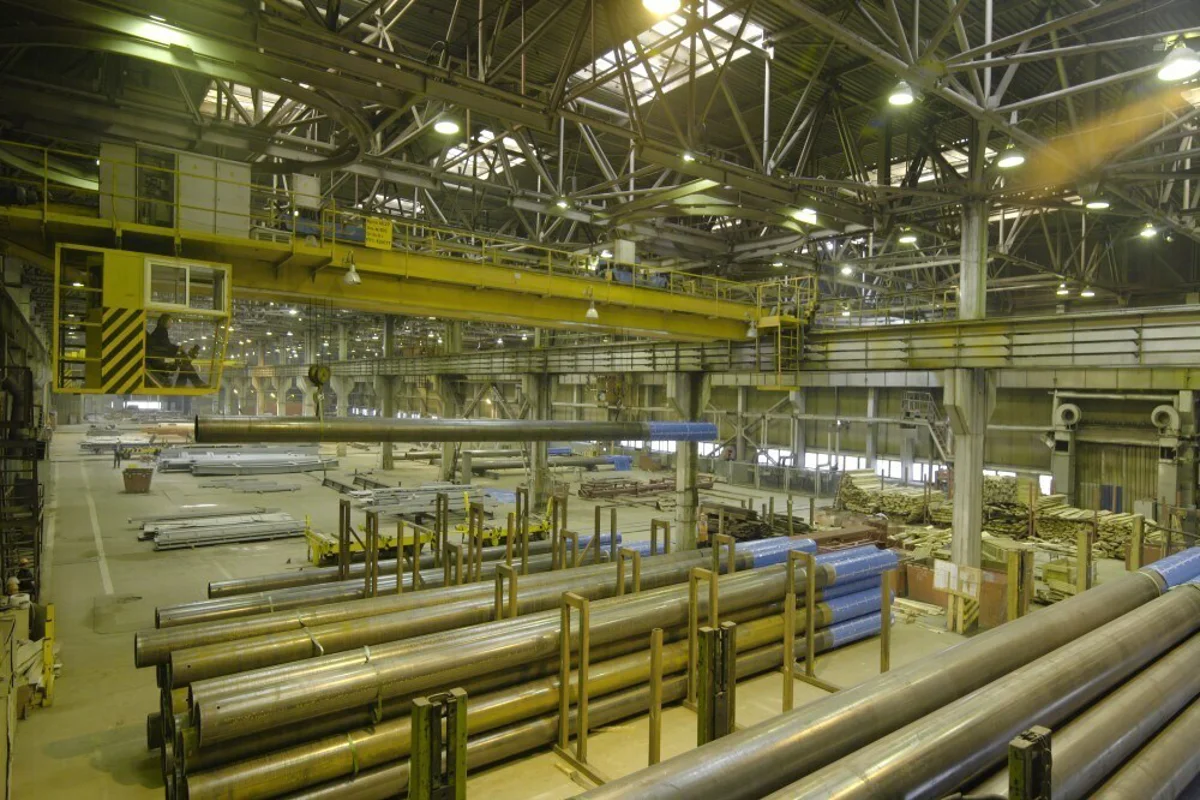
Stock image for referential purposes only
Constellium SE and Alcoa Corporation are benefiting from a stronger aluminium market, with demand from electric vehicles, aerospace, packaging and transportation continuing to support the sector. The growing use of recycled aluminium and the recovery in global air travel have also improved conditions for producers and processors.
Constellium posts growth across major businesses
Higher aluminium prices and steady customer demand helped Constellium's key business segments during the first quarter of 2026. The company's packaging and automotive rolled products division remained a major contributor, aided by increased orders for packaging products.
Its aerospace and transportation business also recorded stronger activity, with shipments rising on the back of demand from the aerospace, transportation, industry and defence sectors. Revenue in the Automotive Structures and Industry division also improved during the period, supported by the favourable pricing environment.
Constellium has continued to return funds to shareholders. During the first quarter, it generated positive free cash flow and spent around USD 28 million on share repurchases. The company has also approved a new share buyback programme of up to USD 300 million, which is set to run through the end of 2028.
The stronger performance, however, has come alongside higher operating costs. Production expenses and selling, general and administrative costs both increased during the quarter, something the company will need to manage if margin pressures continue.
Alcoa increases production and invests in Norway
Explore: The most comprehensive and forward-looking industry-focused report – Global Bauxite & Alumina Market Forecast to 2036: Supply–Demand, Trade Flows & Price Outlook
Alcoa is also seeing healthy demand from packaging, transportation and electrical markets. The company has expanded its production base through the restart of the San Ciprián smelter in Spain, Alumar in Brazil and Lista in Norway.
Another step came in May 2026 when Alcoa announced a USD 65 million investment at its Mosjøen smelter in Norway. The project is designed to lift output by up to 75,000 tonnes and increase the use of recycled aluminium in the casting process. The expansion will be completed in stages through 2028 and is expected to strengthen the company's low-carbon aluminium offering for customers in Europe's automotive and packaging sectors.
The producer has also benefited from higher US tariffs on imported aluminium, which have strengthened domestic pricing. In addition, Alcoa expects its alumina business to receive a boost from higher shipments following the restart of the San Ciprián operations.
Costs remain a challenge for Alcoa as well. The company reported higher operating expenses in the first quarter and closed the period with total debt of USD 2.55 billion, while holding cash and cash equivalents of USD 1.35 billion.
Demand outlook remains supportive
Industry conditions remain favourable as manufacturers continue to look for lighter and more sustainable materials. The push for energy-efficient vehicles, greater use of recycled metals and higher aircraft production has kept demand for aluminium products firm.
Investor sentiment has reflected those trends. Over the past six months, Constellium shares have climbed 92.4 per cent, while Alcoa has gained 47.7 per cent. Although both companies have benefited from the stronger aluminium market, Constellium's recent performance across its packaging, automotive and aerospace businesses has attracted greater market attention.
Explore our e-magazine ALuminium LeaderSpeak 2026 for the latest industry insights and trends.

LME aluminium price loses momentum, drops below USD 3,500/t despite shrinking inventories
Next articleAlcoa and USW approve four-year labour contract covering 965 workers at Warrick and Massena operations
Grow with
AL Circle