CME Group plans first Rare Earth Futures Contract to reduce western dependence on China
中文翻译附于新闻末尾,敬请继续阅读。
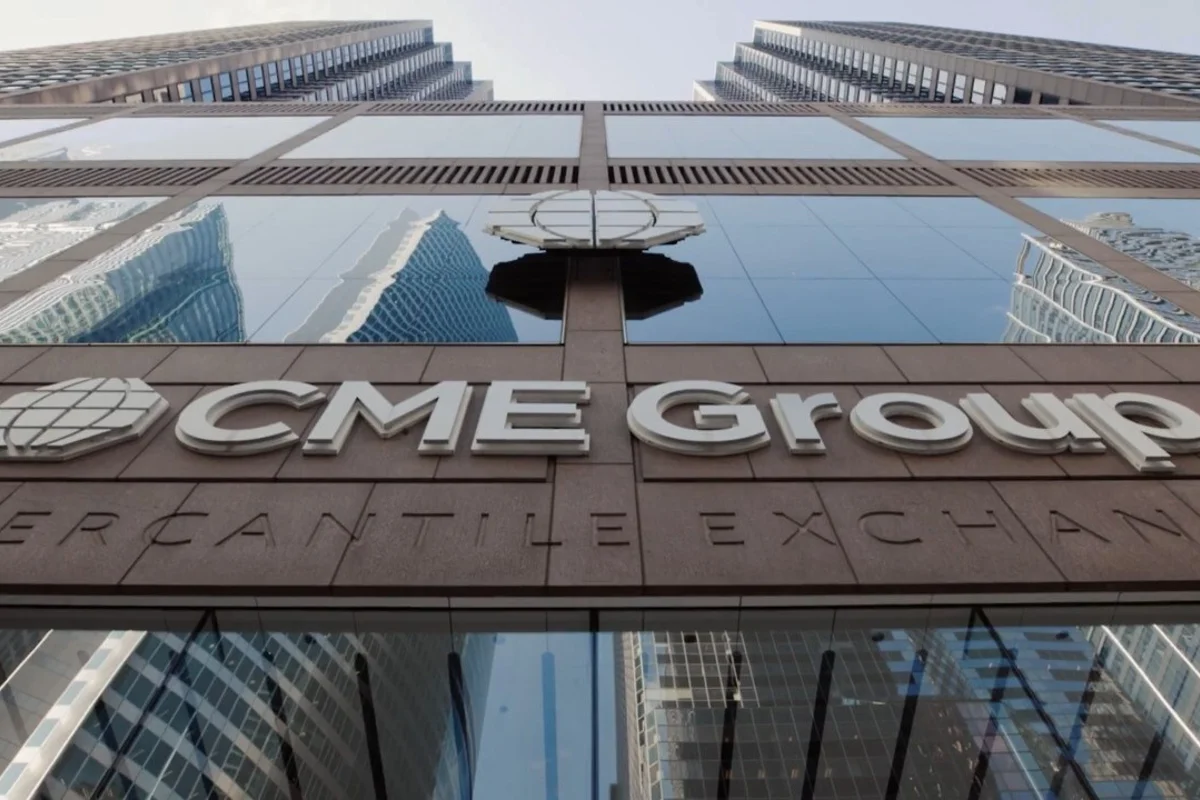
The CME Group, an American financial services company based in Chicago, is preparing a plan to introduce the world’s first futures contract for rare earth elements. This initiative would enable governments, companies, and banks to safeguard price risks in the rare earth sector, which China currently dominates.
Another American multinational financial services company, Intercontinental Exchange, is also considering the introduction of rare earth futures. However, it is reported to be at a less advanced stage of planning compared to CME.
For the global aluminium value-chain 2026 outlook, book our exclusive report “Global ALuminium Industry Outlook 2026"
One of the major obstacles in the West’s effort to reduce dependence on China, which controls around 90 per cent of the rare earth processing, is the hesitance of banks to finance Western projects because of the constant oscillation of prices, making future revenues uncertain and increasing financial risk.
The new future contract includes combining the two most important rare earth elements, neodymium and praseodymium (NdPr), reported by an anonymous source. These two alloys are usually traded together as a combined product and are essential for manufacturing permanent magnets, widely used in electric vehicle (EV) motors, generators in wind turbines, voice coils for hard drives, drones, and fighter jets.
Though the key difficulty is that rare earths are traded in small volumes, and their market is much smaller than most metals’ future markets, it holds great importance for Western efforts to increase the supply of these critical minerals. Regarding this, the United States recently announced a preferential trade arrangement with allies and created a USD 12 billion investment to supply security, creating a strategic stockpile.
Also read: China versus the West: Here’s how China prepares for critical minerals and strategic tussle
In one of the most significant US agreements in the rare earth sector, the government reached a multibillion-dollar deal last July with MP Materials Corp, an American rare earth materials company headquartered in Las Vegas. Under this agreement, Washington acquired a 15 per cent ownership stake in the company and established a price floor linked to the NdPr price to provide financial stability.
At present, NdPr prices are largely determined in China and are reflected in price indexes published by agencies such as Fastmarkets, Benchmark Mineral Intelligence, and Shanghai Metals Market. Benchmark Mineral Intelligence has begun publishing rare earth price assessments for Europe and North America, although trading volumes in these regions remain limited.
China has two main exchanges for spot trading in rare earths, the Ganzhou Rare Metal Exchange and the Baotou Rare Earth Products Exchange. These platforms facilitate the buying and selling of physical rare earth materials and help in domestic price formation and market transparency. In addition, the Guangzhou Futures Exchange has announced plans to introduce rare earth futures contracts.
Don't miss out- Buyers are looking for your products on our B2B platform
NdPr prices in China have risen by about 40 per cent so far this year, reaching their highest level since July 2022. However, these prices are highly volatile, they had previously fallen by around 50 per cent during the 15 months leading up to May 2023. This sharp fluctuation highlights the instability of the rare earth market.
Many rare earth projects outside China struggle to obtain financing because banks cannot predict future revenues, and producers cannot protect themselves from price declines without futures contracts.
Must read: Key industry individuals share their thoughts on the trending topics
The CME Group has already introduced successful futures contracts for critical minerals such as lithium and cobalt, which are widely used in EV batteries. Recently, CME reported that its fourth-quarter profit exceeded Wall Street expectations. It also recorded a 7.5 per cent increase in average daily trading volume, reaching a record 27.4 million contracts.
CME集团拟推全球首份稀土期货合约,助力西方降低对华依赖
总部位于芝加哥的美国金融服务公司CME集团正计划推出全球首份稀土元素期货合约。此举将使政府、企业和银行能够对冲当前由中国主导的稀土市场的价格风险。
另一家美国跨国金融服务公司洲际交易所也在考虑引入稀土期货,但据悉其规划进展较CME稍慢。
中国掌控着全球约90%的稀土加工产能,西方各界想要降低对中国的稀土依赖,却面临一大核心障碍:稀土价格持续波动导致企业未来收益不明、金融风险攀升,各大银行因此对西方稀土项目的融资持观望态度。
据一位匿名消息人士透露,这份新期货合约将包含两种最重要的稀土元素——钕和镨(NdPr)。这两种合金通常作为组合产品进行交易,是制造永磁体的关键材料,广泛应用于电动汽车电机、风力涡轮发电机、硬盘驱动器音圈、无人机和战斗机等领域。
主要困难在于,稀土交易量较小,其市场远小于大多数金属的期货市场。然而,它对西方增加这些关键矿产的供应至关重要。为此,美国近期宣布与盟友达成优惠贸易安排,并设立120亿美元的投资以保障供应安全,同时建立战略储备。
在稀土领域,美国去年7月达成了一项重磅协议:政府与总部位于拉斯维加斯的美国稀土材料企业MP材料公司签署了数十亿美元的合作协议。根据协议,美国政府获得该公司15%的股权,并设定与钕镨合金价格挂钩的底价,为企业提供财务层面的稳定性保障。
当前,全球钕镨合金的价格定价权主要掌握在中国手中,其价格走势体现在英国金属导报、基准矿产情报、上海有色金属网等机构发布的价格指数中。尽管欧美地区的稀土交易量仍较为有限,基准矿产情报已开始发布针对该区域的稀土价格评估数据。
中国拥有赣州稀有金属交易所、包头稀土产品交易所两大稀土现货交易核心平台,不仅为稀土现货交易提供渠道,还助力国内稀土价格形成,提升市场透明度。此外,广州期货交易所也已宣布计划推出稀土期货合约。
今年以来,中国市场的钕镨合金价格涨幅约40%,创下2022年7月以来的新高。但稀土价格波动幅度极大:在2023年5月之前的15个月里,钕镨合金价格曾暴跌约50%,这一剧烈波动也凸显出稀土市场的不稳定性。
中国以外的许多稀土项目难以获得融资,因为银行无法预测未来收入,而生产商在没有期货合约的情况下也无法保护自己免受价格下跌的影响。
CME集团此前已成功推出了广泛应用于电动汽车电池的关键矿物(如锂和钴)的期货合约。近期,CME报告其第四季度利润超出华尔街预期,日均交易量也增长了7.5%,达到创纪录的2740万份合约。

China’s power goal ’26: Solar and wind energy smash records with 22% surge
Next articleIndia posts record power capacity expansion with renewables leading the process
Grow with
AL Circle