Closed-loop recycling triumphs for majority of recycled cans in Australia: IAI

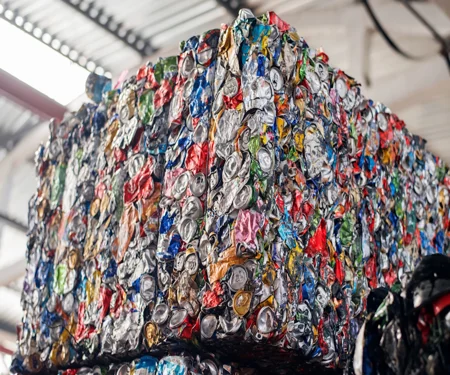
A recent study commissioned by the International Aluminium Institute (IAI) revealed that a significant portion of aluminium cans recycled in Australia is effectively looped back into the manufacturing process to produce new aluminium cans, thereby closing the recycling loop for these containers. The Australian Aluminium Council made this study's findings public, offering insight into the complete lifecycle of used beverage cans (UBCs).
As per the data presented in the study, Australia consumes more than nine billion aluminium cans annually, which is anticipated to rise by 25 per cent from 2020 to 2030, reaching a staggering 11 billion cans yearly. However, the limited domestic recycling capacity has raised concerns about the fate of these cans, as highlighted in the research.
Marghanita Johnson, the CEO of the Australian Aluminium Council, emphasized the importance of this study. She explained that their goal was to validate the data and assure Australians that their recycling efforts are indeed making a significant impact, and the study has successfully achieved this.
Johnson recognized the importance of ensuring that Australians can trust that every aluminium can placed in a recycling bin or processed through a container deposit scheme is genuinely recycled, even if the recycling procedure takes place overseas.
Marghanita Johnson highlighted, "Many people know of Australia's primary aluminium industry including bauxite mining, alumina refining, aluminium smelting and downstream processing including extrusion."
"However, people are often unaware that the closure of Australia's car industry a decade ago was accompanied by a closure in the two aluminium rolling mills, which also provided Australia with domestic aluminium recycling capacity. Since then, aluminium cans and other scrap have been exported for recycling."
The research also examined the recycling patterns of aluminium cans in Australia, and it uncovered that although a small portion gets recycled domestically, the majority are processed in other nations, such as South Korea, Thailand, and Saudi Arabia. Notably, 65 per cent of these reclaimed cans are put back into the system to create a new generation of aluminium cans, establishing a sustainable recycling cycle.
In Australia, container deposit programs are in effect across all states and territories, complemented by a voluntary extended producer responsibility (EPR) system that's already operational.

Even with these measures, 25 per cent of cans still enter landfills. Johnson highlighted, “This study shows that, even with advanced policies and collection infrastructure, there are opportunities to improve.”
Australia can significantly contribute to global decarbonisation efforts within the aluminium industry by increasing awareness of the benefits of recycling aluminium cans, investing in infrastructure, and ensuring the quality of waste streams. Johnson's conclusion emphasises achieving recovery rates exceeding 90 per cent in the coming five years.
India's imported aluminium scrap price falls due to weak demand
Next articleAlupro launches ‘Secrets of Aluminium’, exploring the benefits of recycling
Grow with
AL Circle