05 FEBRUARY 2014www.theinformationdaily.com
Climate policies obstructing aluminium industry's global competitiveness: experts
Edited by : AL CIRCLE
3 min read

The rising cost of green taxes and the burden of EU climate policies have allowed the aluminium industry in Europe to become globally uncompetitive, experts have warned.
Rising green taxes are leaving the European aluminium industry at a cost disadvantage to the rest of the world, with international competitors enjoying lower taxation of electricity and lower green levies.
The Information Daily spoke to the President of the UK Aluminium Association (ALFED), and the Director General of the European Aluminium Association (EAA) ahead of their meeting with Minister of State for Energy, Michael Fallon.
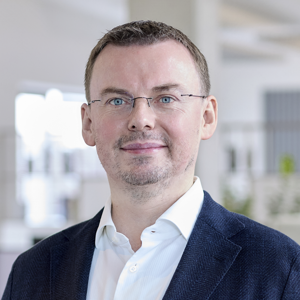
Dr Gerd Goetz, Director General of EAA explained that the EU Commission has requested to regain 20 per cent share of GDP in Europe, which the industry is currently "quite a mile away from".
A study was therefore conducted over key industries, and the aluminium industry was identified, primarily as it is a “critical industry for the entire European industrial value chain”.
The study also showed the burden of European regulations in energy, environmental and climate change policies, and revealed they account for up to 11 per cent of total production costs.
Aluminium is a key material for the sustainable future of Europe, and in meeting the EU commission’s green targets.
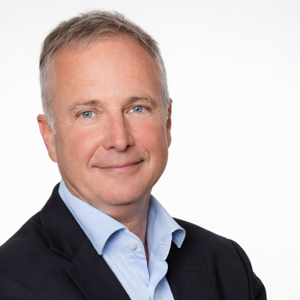
From a UK perspective, taxes have doubled in the past two years. Simon MacVicker President of ALFED and Managing Director of Bridgnorth Aluminium, explains, “we are paying double the tax now and its all related to the way renewable energy costs are passed through in energy bills”.
He goes on to say that businesses are taxed in 3 or 4 different ways now, which is “damaging our international competitiveness”.
His own company exports 85 per cent of what they produce, which is simply becoming unsustainable due to their “cost base” that is becoming applicable to UK industry only.
With a £3.2 billion turnover in the UK the industry is essential to the economy, yet the high costs are damaging the sector.
Despite a rising global demand for aluminium, Goetz explains that the aluminium Europe can not cover fwill come “imported from other parts of the world”.
Additionally, Goetz explains that the green balance will be affected – otherwise known as “carbon leakage”.
MacVicker points out the negative impact of these high costs in real terms – unemployment.
With the relocation of rolling mills in the last 5 years to India, and the exportation of other jobs to China he warns there is a “threat” the trend could continue.
“On the other hand if we can get help then we hope to see some investment back in to the UK economy and with that jobs growth and the further creation of wealth”, he concludes.
Rising green taxes are leaving the European aluminium industry at a cost disadvantage to the rest of the world, with international competitors enjoying lower taxation of electricity and lower green levies.
The Information Daily spoke to the President of the UK Aluminium Association (ALFED), and the Director General of the European Aluminium Association (EAA) ahead of their meeting with Minister of State for Energy, Michael Fallon.
Dr Gerd Goetz, Director General of EAA explained that the EU Commission has requested to regain 20 per cent share of GDP in Europe, which the industry is currently "quite a mile away from".
A study was therefore conducted over key industries, and the aluminium industry was identified, primarily as it is a “critical industry for the entire European industrial value chain”.
The study also showed the burden of European regulations in energy, environmental and climate change policies, and revealed they account for up to 11 per cent of total production costs.
Aluminium is a key material for the sustainable future of Europe, and in meeting the EU commission’s green targets.
From a UK perspective, taxes have doubled in the past two years. Simon MacVicker President of ALFED and Managing Director of Bridgnorth Aluminium, explains, “we are paying double the tax now and its all related to the way renewable energy costs are passed through in energy bills”.
He goes on to say that businesses are taxed in 3 or 4 different ways now, which is “damaging our international competitiveness”.
His own company exports 85 per cent of what they produce, which is simply becoming unsustainable due to their “cost base” that is becoming applicable to UK industry only.
With a £3.2 billion turnover in the UK the industry is essential to the economy, yet the high costs are damaging the sector.
Despite a rising global demand for aluminium, Goetz explains that the aluminium Europe can not cover fwill come “imported from other parts of the world”.
Additionally, Goetz explains that the green balance will be affected – otherwise known as “carbon leakage”.
MacVicker points out the negative impact of these high costs in real terms – unemployment.
With the relocation of rolling mills in the last 5 years to India, and the exportation of other jobs to China he warns there is a “threat” the trend could continue.
“On the other hand if we can get help then we hope to see some investment back in to the UK economy and with that jobs growth and the further creation of wealth”, he concludes.
Grow with
AL Circle