Chongqing Jianto Aluminium comes up as a new secondary aluminium supplier for China’s NEVs
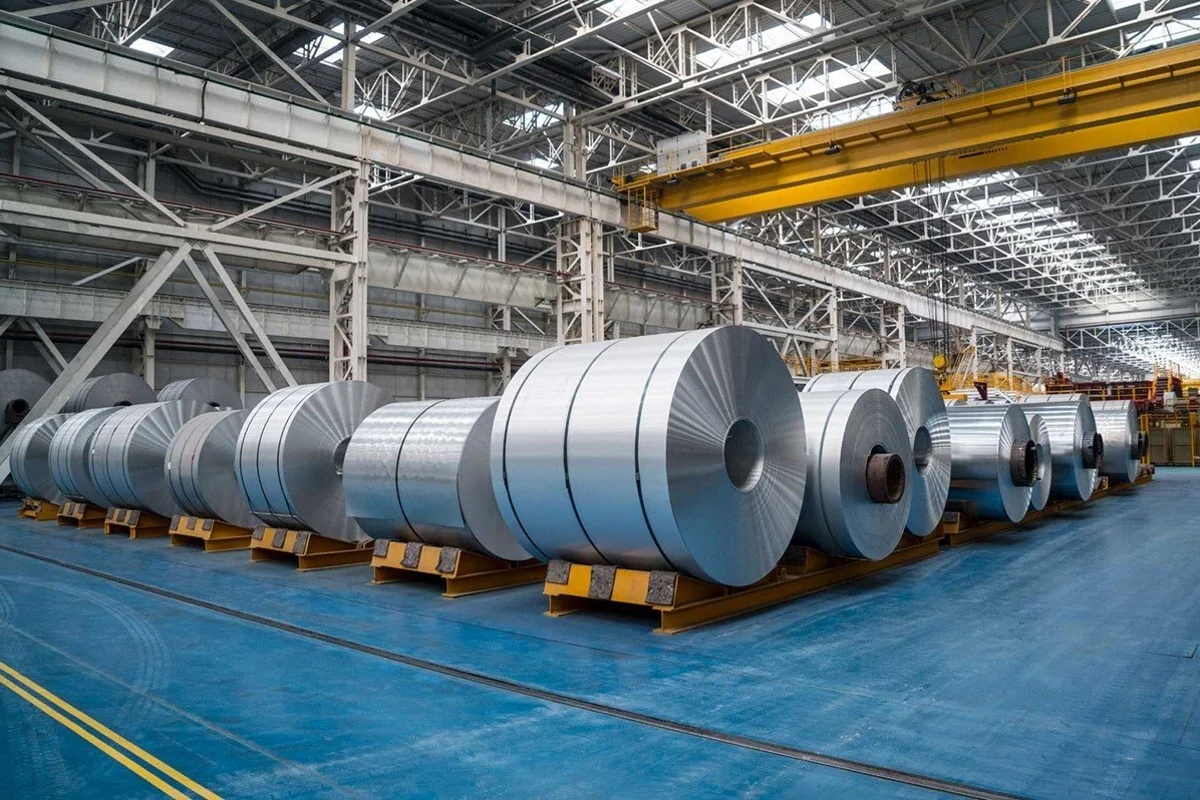
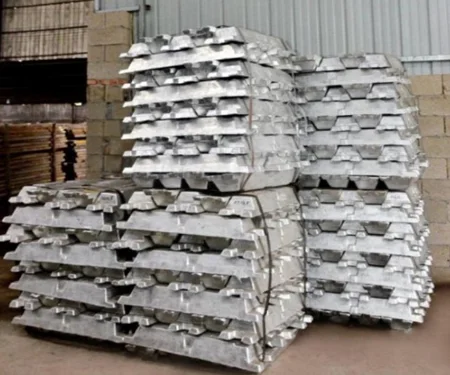
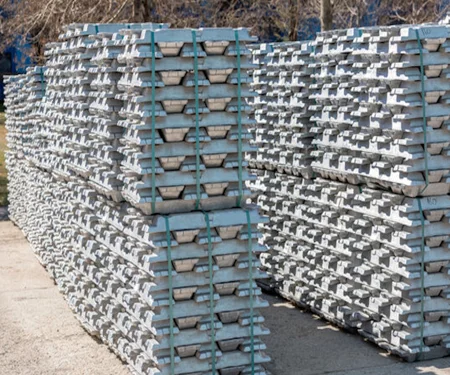
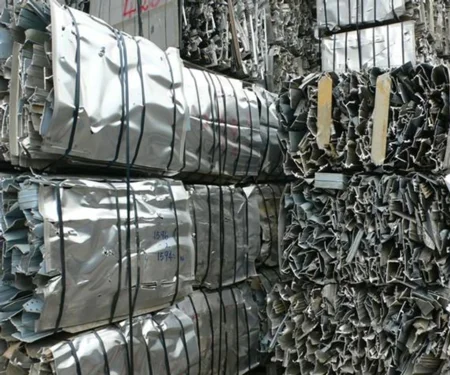
Chongqing Jianto Aluminium Co. Ltd., a Zhejiang-invested enterprise based in Fuling, Chongqing, is emerging as a key supplier of recycled aluminium to the city’s new energy vehicle (NEV) industry. Operating under the Zhejiang-Fuling cooperation framework, the company illustrates how cross-regional collaboration is significantly strengthening green manufacturing and supporting the expansion of Chongqing’s new-energy vehicles.
Riding the wave of recycled aluminium demand
Chongqing Jiantao Aluminium was established in Fuling in 2007 by Zhejiang entrepreneur Hu Aitao, its former general manager. Hu has lived and worked in Chongqing for more than three decades and entered the recycled aluminium business as early as 1987, long before the concept gained mainstream attention.
Explore- Most accurate data to drive business decisions with 50+ reports across the value chain
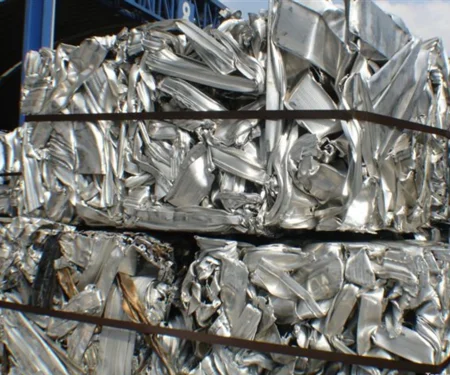
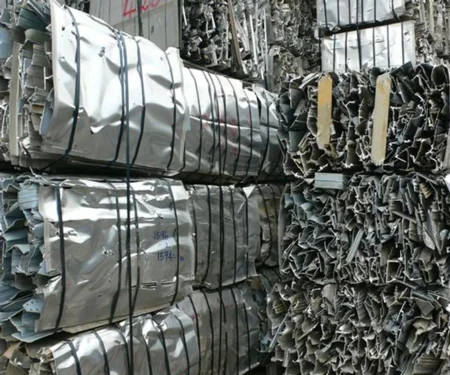
Recycled aluminium differs fundamentally from primary aluminium in both inputs and production methods. While the primary aluminium is extracted from bauxite using an energy-intensive electrolysis process, recycled aluminium, by contrast, is derived by reprocessing (remelting) discarded aluminium products, which drops energy usage and emissions.
As green and low-carbon development has moved to the forefront of industrial policy in recent years, recycled aluminium has steadily expanded its market presence. This growth has been reinforced by the rapid rise of the NEV industry, which has created sustained demand for lightweight and environmentally friendly materials.
The environmental advantages of recycled aluminium are particularly notable. According to relevant Chinese policy documents, producing one tonne of recycled aluminium consumes around 130 kilograms of standard coal and results in theoretical carbon emissions of just 0.23 tonnes, only 2.05 per cent of the emissions generated during traditional aluminium electrolysis.
Being low-carbon profile, recycled aluminium also enjoys high export competitiveness favouring downstream manufacturers. Hu explained that markets such as the United States and the European Union increasingly require disclosure of the carbon footprint of imported goods. By using Jiantao’s recycled aluminium, downstream companies can obtain carbon emissions certificates, enabling them to pass carbon traceability checks and clear customs more smoothly.
Industry growth underpinned by NEVs
China’s recycled aluminium sector continues to expand at a pace. The 2025 China Recyclable Resources Recycling Industry Development Report shows that in 2024, the country produced 19.15 million tonnes of four major recycled non-ferrous metals — aluminium, copper, zinc and lead. Recycled aluminium accounted for 10.55 million tonnes of this total, up 11.1 per cent year on year and representing 55 per cent of overall output.
The accelerating development of the NEV industry has further cemented recycled aluminium’s role. According to the International Aluminium Institute’s Assessment Report on Aluminium Use in China’s Automotive Industry (2016-2030), aluminium consumption by China’s NEV sector is expected to account for 29.4 per cent of the nation’s total aluminium use by 2030.
Chongqing’s position as a major NEV manufacturing base has directly supported Jiantao’s growth. The city hosts leading automakers such as Changan Automobile and Seres and is one of China’s key hubs for new-energy vehicle production. In 2025 alone, Changan’s NEV sales have already surpassed one million units.
Hu said the company currently supplies recycled aluminium to local NEV manufacturers, including Changan and Seres. With the recent expansion, there has been a demand surge at the same time.
Efficient governance strengthens regional cooperation
Strong government coordination lies at the core of Zhejiang–Fuling cooperation. Local authorities have put efforts into improving the business scenario through efficient administration and streamlined services, which have created a favourable environment for the investors.
Although Hu began operating in Chongqing in 1987, his company did not formally establish itself in Fuling until 2007. He recalled that the decisive factor was the efficiency of Fuling’s investment promotion efforts.
“At that stage, talks were still exploratory, and no final decision had been made,” Hu said. The proposed site consisted entirely of hillside terrain, and under normal circumstances, levelling such land elsewhere would have taken at least six to twelve months.
Passing the torch to a new generation
In terms of succession, Hu’s son, Hu Yingjian, has now taken over as general manager of Chongqing Jiantao Aluminium, overseeing day-to-day operations, while Hu Aitao has stepped back into a supporting role.
Hu Yingjian said that when he was younger, he initially saw the recycled aluminium industry as lacking status and had little interest in inheriting the business. His view shifted gradually after joining the company, as he came to appreciate the long-term potential of the sector.
Reflecting on this change, Hu Aitao said his son had moved from seeing the business as “undignified” to embracing its responsibility and future.
Must read: Key industry individuals share their thoughts on the trending topics

Bhutan Agro Industries Limited marks a packaging shift with aluminium cans for Royal Bhutan
Next articleFrom bottles to cans: scientific evidence strengthens aluminium’s case in wine packaging
Grow with
AL Circle