Chinese economy and auto sector may slump further without Government's stimulus policy for real estate sector
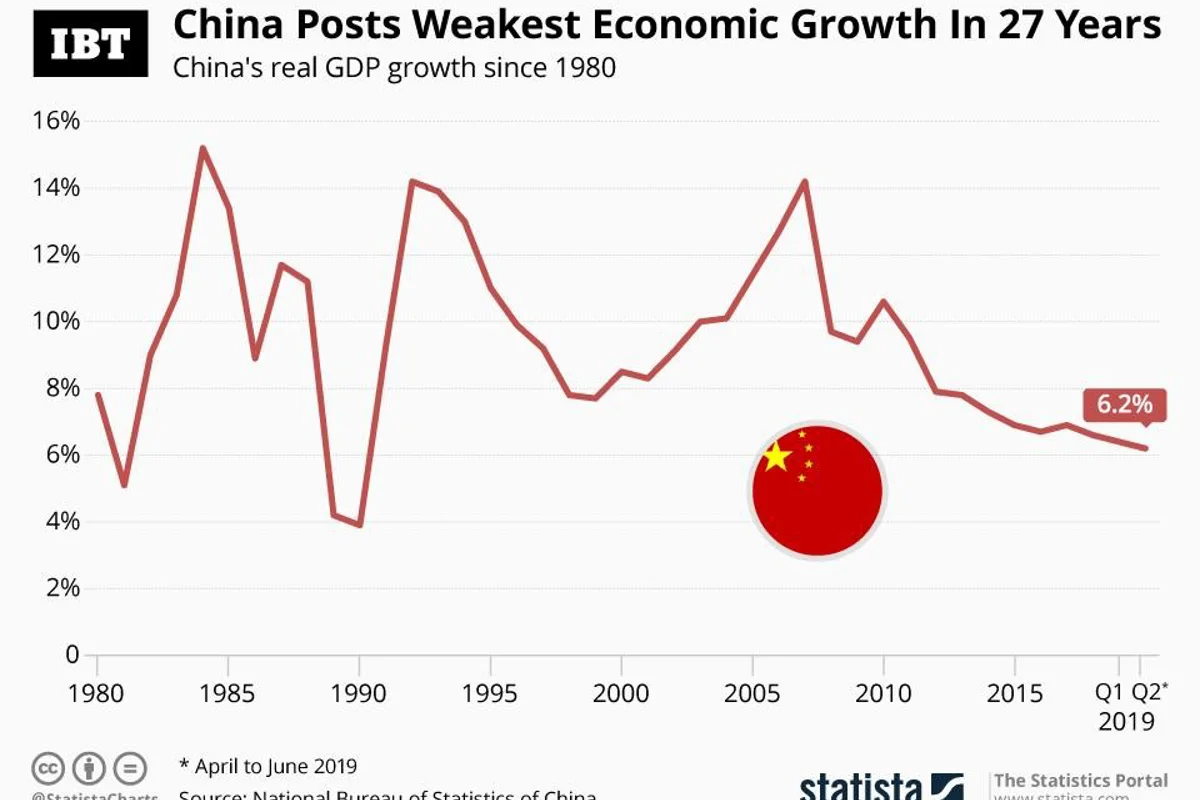
China’s new-vehicle market has continued falling for 12 consecutive months on slower economy. Automakers and suppliers are likely to see a longer period of downturn as the government is planning to discontinue a key stimulus plan designed to boost the economy.
The Chinese Communist Party has decided not to “use the property market as a tool to stimulate economic growth,” a local media report said on Tuesday. Beijing plans to abandon its policy of managing the domestic economy by adjusting real-estate policy.
This means the government used to ease controls on real-estate development and make home loans easily available to home buyers whenever there was a sign of slowing economy. This helped boosting the economic graph. This policy helped investments in real-estate development across the country jump 11 per cent in H1 2019, according to National Bureau of Statistics.
The growth in real estate sector drove economic growth by 6.3 per cent in H1 2019 despite slowdown of exports due to Trump’s tariffs. However, currently, the Politburo has decided to establish a sustainable growth path for the domestic real-estate market.
The policy change may help the real-estate industry in China but will put pressure on domestic auto sector. New-vehicle sales in China are likely to shrink further in 2019 for the second straight year after a slum of 12% in H1 2019.

The China Association of Automobile Manufacturers last month predicted that China’s 2019 new-vehicle sales will drop 4.7 per cent to 26.68 million.
Chinese economy will plunge further without government support in the real-estate sector. This will put pressure on the automotive sector and new-vehicle sales may sink lower than the trade group’s forecast and the downturn may extend beyond 2019.
Vivalda acquires bespoke aluminium facade provider MSP Scotland
Next articleGermany’s aluminium cans export to France likely to grow in 2019 but to Netherlands estimated to drop
Grow with
AL Circle