China’s March bauxite import crosses 10 million tonnes, surging by 13.58% M-o-M

China’s bauxite import for March 2022 witnessed M-o-M hike of 13.58 percent and 15.79 percent Y-o-Y, says the customs data. In total, China imported 11.7 million tonnes of bauxite in March. For the same month, Australia imported a total of 2.95 million tonnes, rising by 15.62 percent M-o-M but down by 4.64 percent Y-o-Y. Imports from Guinea settled at 6.18 million tonnes, which experienced a surge of 2.89 percent M-o-M, but down by 7.83 percent Y-o-Y. Indonesia’s imports for March were pegged at 2.48 million tonnes, which went on to reflect a surge of 45.22 percent M-o-M, followed by a Y-o-Y surge of 104.75 percent. Bauxite was first imported into China from Montenegro and Iran. In Q1, China bought 32.7 million tonnes of bauxite, up 20 percent year on year.
Imports from Australia were down during the first quarter of the year due to seasonal factors, but they may increase in the second quarter. Arrivals from Indonesia were mostly long-term orders that had already been signed. In order to predict future import volumes, it is vital to keep an eye on whether Indonesia will impose export restrictions on bauxite. In Q2, Indonesia had its first wet season, which would have an impact on bauxite mining and shipping. As a result, the number of imports from Indonesia may decrease in April.
Guinea's import volume in March greatly outstripped that of Australia and Indonesia combined, resetting the previous peak. The present Indonesian export prohibition policy is still fraught with uncertainty. Most orders were delayed as a result of the wet season. China's reliance on Guinean ore increased following the announcement that Indonesia would limit bauxite shipments.
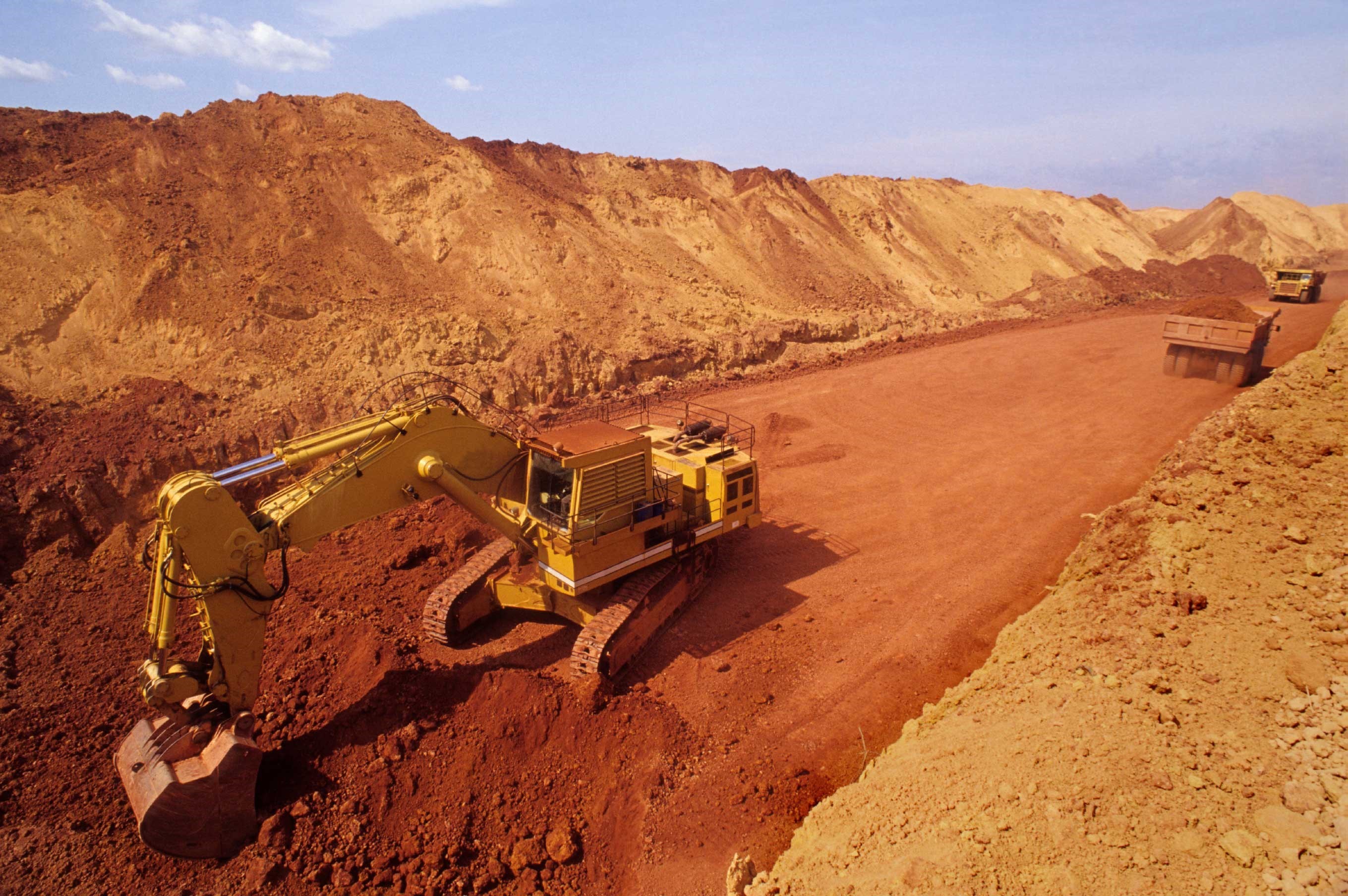
The second reason for Guinea's record-high imports is alumina refineries are currently looking to expand their bauxite inventories due to high alumina pricing and earnings. Guinean ore is preferred by Chinese alumina refineries due to a lack of indigenous supplies. Also, local bauxite production in Shanxi, Henan, Guizhou, and other regions is not meeting the mark.
Guinea's government has halted all operations at the Simandou iron ore mine, the world's largest undeveloped iron-rich mine, in March 2022, claiming sluggish progress on the building. The Guinean government is putting increasing pressure on mining corporations to develop alumina refineries in the nation. At the moment, domestic major companies such as Chinalco and Weiqiao have kept bauxite mining and transportation in Guinea constant, allowing domestic alumina refineries to grow their imports of Guinean ore.

Guinea is China's major supplier of imported bauxite in general. Guinean bauxite is mostly utilised in Shandong's alumina refineries, but it was also widely employed in Shanxi and Henan's low-temperature production lines in 2019. Several mining businesses in Guinea, including EGA, Chalco, United Mining, and State Power Investment, have started mining and exporting one after the other since the end of 2019. Domestic demand for Guinean ore, on the other hand, continued to rise.
Ghana invites Indian mineral refining firms to explore investment lines
Next articlePresident Akufo-Addo against inessential Atewa Forest exploitation for bauxite mining
Grow with
AL Circle