China’s domestic production of alumina and aluminium to reduce 30% during winter heating season 2018-19
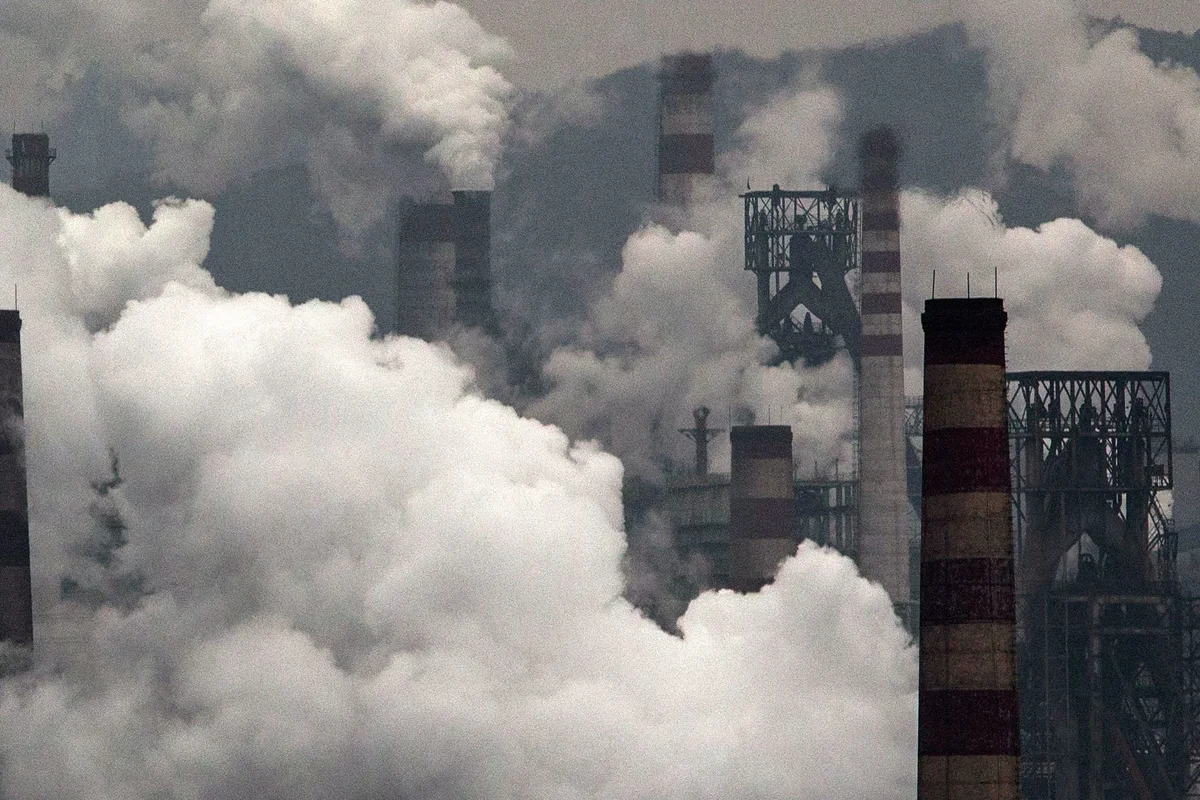
According to the report from China’s Environment Ministry in late March, the country had decided to strengthen its fight against persistent smog and pollution by further empowering and restructuring its environment ministry and drawing up a new three-year action plan which promises tougher targets on industrial polluters.
As part of its new remit, the ministry already started environmental checks from June 11, 2018, expanding over more cities and regions including Beijing, Tianjin, and 26 cities in Hebei, Shanxi, Shandong, and Henan provinces including Shijiazhuang, Tangshan, Langfang, Baoding, and many others. Two hundred teams with a total of around 18,000 inspectors and support staff had been sent out, triple the size of the workforce during the past winter heating season.
According to the latest report by Shanghai Metals Market, action plan on comprehensive control for autumn and winter air pollution this year will begin from 1st of October and will end on 31st of March, 2019. The primary target for this year is to reduce the average concentration of PM2.5 particulate matter by 5 per cent year-on-year, along with reducing the number of heavy pollution days by 5 per cent. It is to promote clean energy and rectification of heavy pollutant companies.
Remediation of diesel trucks and industrial furnaces, emission of volatile organic compounds, and strengthening of governmental supervision to address heavy air pollution will also be given special attention during this winter heating season, per the plan.
During the past winter heating season, industrial plants were asked to cut as much as 50 per cent of their output capacity on heavy pollution days and millions of households and industrial shops were ordered to switch their heating systems from coal to electricity in a bid to reduce toxic emissions. This year, the country aims to convert another 4 million homes to natural gas or electricity.

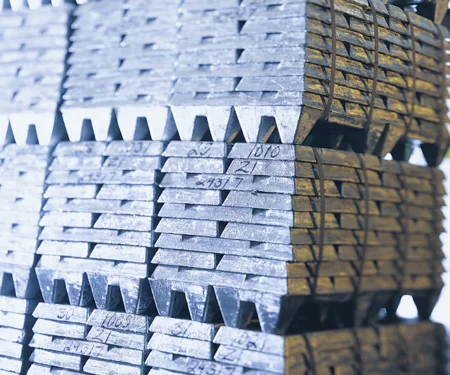
Besides, industrial plants with high emission of pollution have been asked to reduce the productions, including alumina and primary aluminium. Both the sectors would require cutting productions by over 30 per cent, while melting and casting processes in the secondary metal production to be cut by half.
Already, the government of Yingkou city in Liaoning province has announced the cancellation of its 2.5-million tonnes of alumina project in Gaizhou County on August 5, due to environmental concerns, SMM learned.
Cuts in the domestic aluminium sector would also continue during the coming winter heating season. But despite that, China's aluminium output in 2018 is forecast at 38 million tonnes, up from estimated output of 36.66 million tonnes in 2017, with domestic aluminum demand seen at 37.6 million tonnes, up 6% year on year, as per the data from state-run metals consultancy.
RUSAL's alumina sales revenue surges in H1 2018 on higher alumina prices despite lower volume
Next articleChina’s alumina and aluminium productions record a hike in July: SMM updates
Grow with
AL Circle