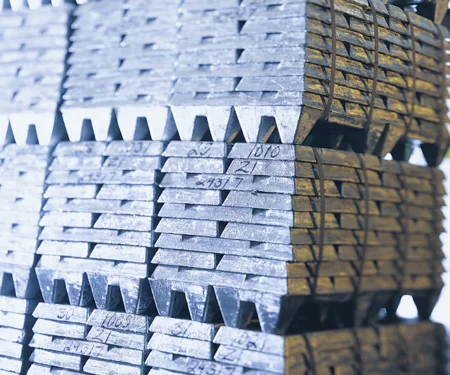
China’s aluminium production dips for the fifth month in row to 3.155 million tonnes in September 2021: NBS
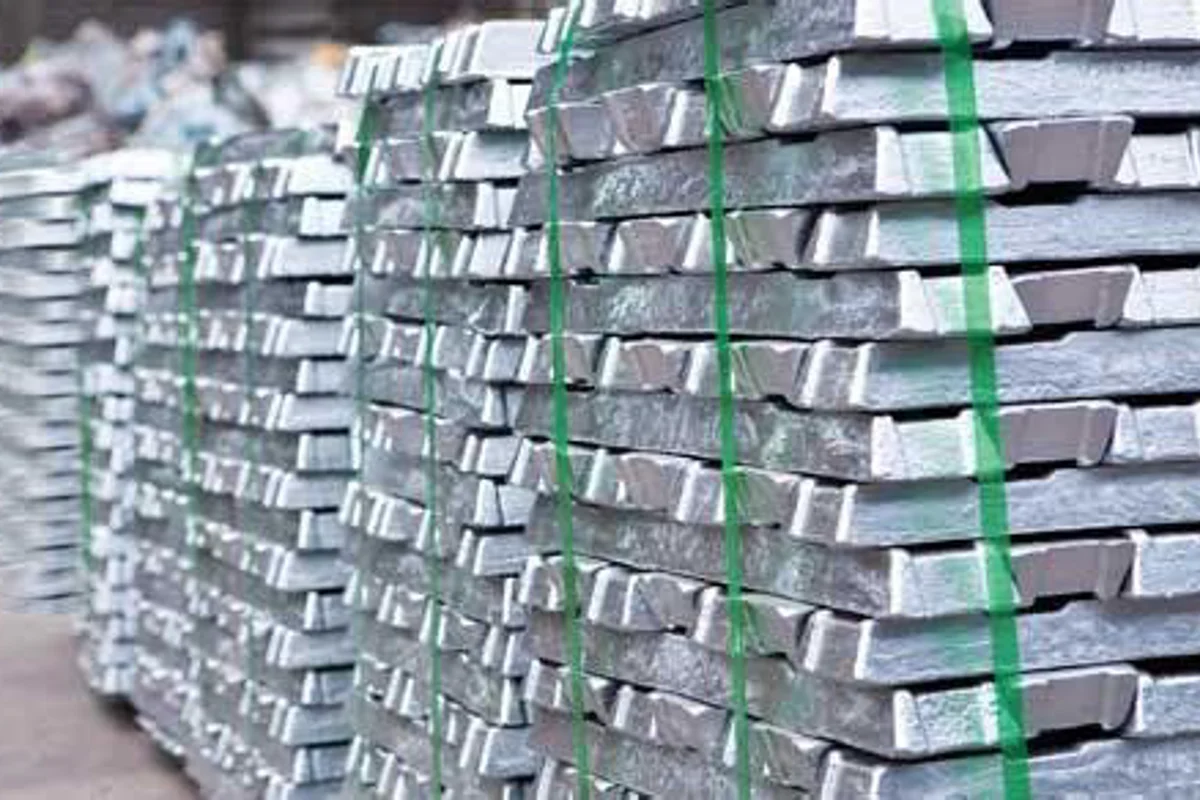
According to the data released by the National Bureau of Statistics, China, the world’s top producer of aluminium, churned out 3.08 million tonnes of primary aluminium. That was down by 2.4 per cent from 3.155 million tonnes a month ago and 2.1 per cent year-on-year, marking the fifth consecutive month of downfall caused by ongoing electricity shortages.
Several Chinese regions imposed restrictions on power usage this year for energy-intensive industries, including aluminium, to ease tight electricity supply and meet energy consumption targets.
The output in September was at its lowest monthly level since June 2020, showed NBS. On a daily basis, the production in September was at 102,667 tonnes per day, which was, however, an increase of 0.88 per cent from 101,770 tonnes a month ago.
BMO Capital Markets analyst Colin Hamilton estimates that production curbs have reduced output by up to 3 million tonnes on an annual basis.

The last time when China’s aluminium production fell for the five months in a row was from July to November 2017 amid a crackdown on illegally built capacity and targeted restrictions on industry aimed at reducing pollution in smog-prone cities.
China’s aluminium imports grow 2.2% M-o-M to 252,921 tonnes in September 2021, customs data shows
Next articleNalco CMD predicts Aluminium demand to expand by 5% - 6%
Grow with
AL Circle