China’s alumina and aluminium output move in tandem at 88MTand 44MT - is the country limiting alumina to track 45MT aluminium cap?
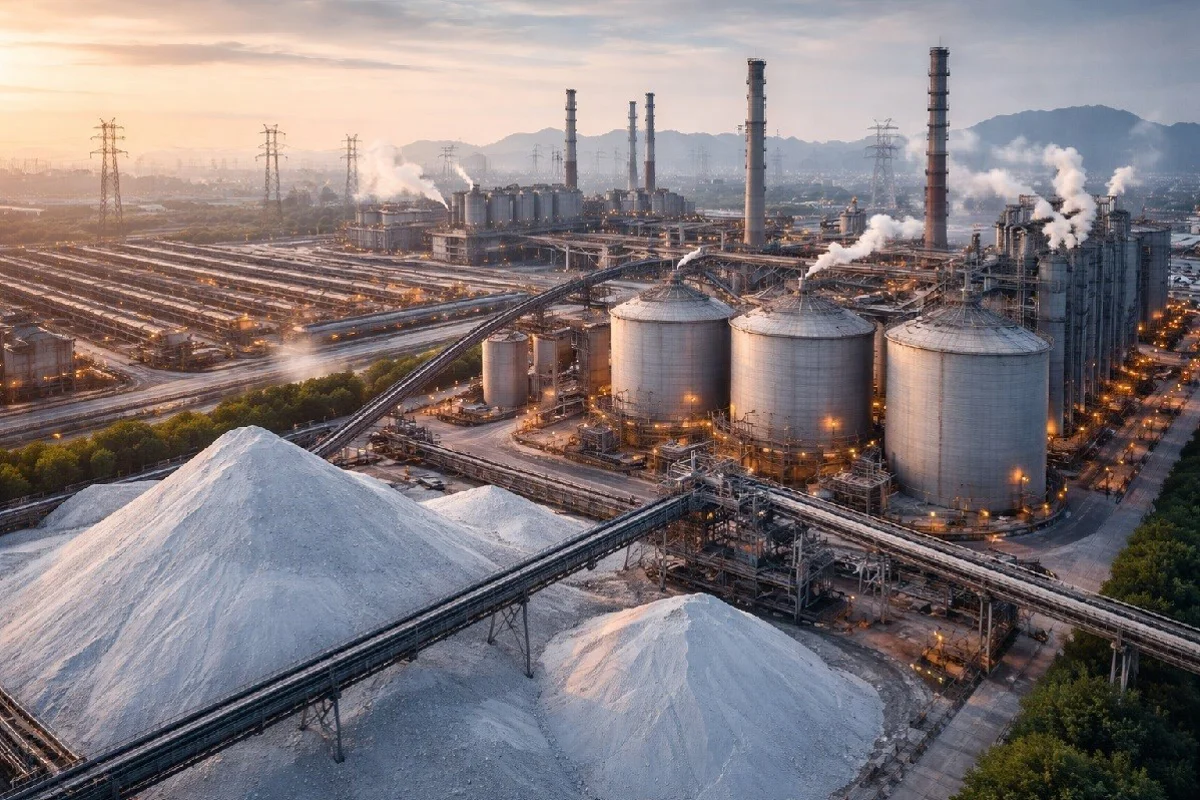
China’s alumina story in 2025 was not just about how much was produced, but about how carefully the system was managed. China ended the year with 88.2 million tonnes of alumina and 44 million tonnes of primary aluminium, based on the industry’s two-to-one rule of production ratio. It sits close to the national cap of 45 million tonnes aluminium production, without pushing beyond it.
What mattered was the balance. Refineries kept running, smelters stayed within limits, and extra material was directed to where it was needed - either into domestic supply or into export markets. Alumina output rose 8.2 per cent from 2024, aluminium increased by around 2 per cent, and yet oversupply never really built up. Instead of chasing volume for its own sake, China used alumina production to keep the wider aluminium system steady, supported and within policy boundaries.
According to International Aluminium Association, metallurgical-grade alumina in January stood at 7.30 million tonnes. February slipped to 6.74 million tonnes, before March recovered to 7.32million tonnes, rising 8.6 per cent. April weakened to 6.87 million tonnes. May climbed to 7.04 million tonnes, followed by 7.12 million tonnes in June. July picked up to 7.58 million tonnes. August pushed slightly higher to 7.62 million tonnes. September eased back to 7.55 million tonnes, October rose to 7.75 million tonnes and November settled at 7.6 million tonnes. The year wrapped up with December production estimated at 7.7 million tonnes.
Unlock full access – sign up for FREE.
Key benefits
Beijing tightens reins on copper and alumina projects to stop “disorderly expansion”
Next articleDisplaced residents seek Aditya Alumina Refinery for 0.01 per cent equity stake
Grow with
AL Circle