China's EV production not likely to slow down despite the subsidy cuts by the government
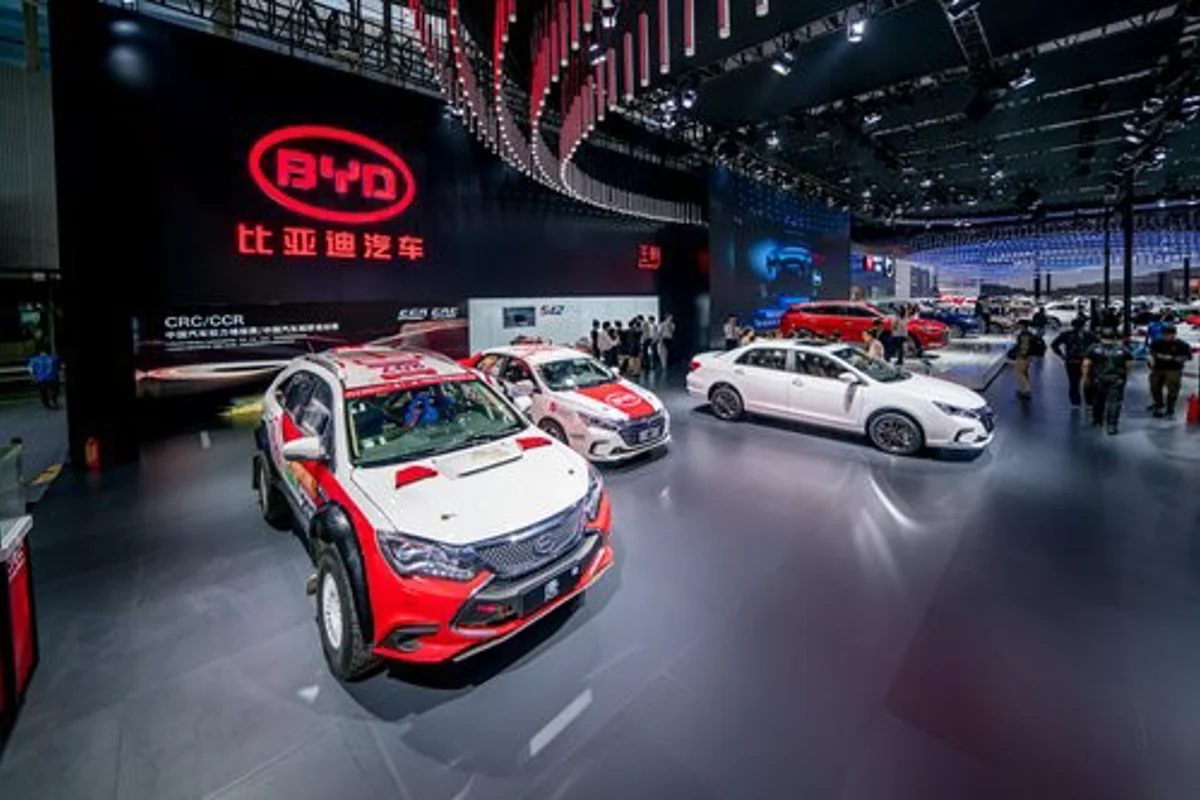
Despite the plan to wind down subsidy program for EVs and plug-in hybrids in China by 2020, Chinese automakers are in a race to produce and launch more EVs in the market. The list of cars to be displayed at the Shanghai auto show indicates the growing trend.
The state-owned automaker BAIC Motor Co. delivered more than 158,000 EVs in 2018. One of China’s top EV manufacturers will launch an electric crossover and an electric SUV and an Arcfox ECF concept crossover at the show.
BYD, China’s largest electrified vehicle maker based on sales of EVs and plug-in hybrids, will introduce a compact crossover SA2 in gasoline, plug-in hybrid and battery-electric versions and kick off sales of the e1 subcompact electric car at the show. The USP of the e1 is its surprisingly affordable price.
Geely Automobile Holdings, the largest domestic Chinese carmaker will unveil a separate brand for its EV lineup next week and launch its sporty compact sedan, at the Shanghai show.
Many new EV startups launched their first car in 2018 and are on the verge of launching their second car in 2019. Xpeng Motors will unveil the concept of a midsize electric sporty sedan in the show and Leap Motor will introduce an SUV with a range more than 500 km.Domestic carmakers have beaten global automakers in introducing EVs in China market. General Motors, Nissan and Hyundai have launched only a few EVs in China. Volkswagen is expected to start selling its first batch of EVs in the middle of 2019.

Last year, EV sales in China jumped 62 per cent to roughly 984,000, mostly churned out by domestic brands and driven by the attractive subsidies offered by the government. It was not only the subsidies which drove the production of EVs, but the Chinese automakers invested more on EVs in order to have a competitive advantage over the global brands that beat them in the conventional vehicle market. That is one of the reasons why the production of EVs will not slow down notwithstanding the withdrawal of subsidies.
Fiat Chrysler and Nemak develop a new aluminium alloy in collaboration with ORNL for cylinder blocks and heads
Next articleKestrel Aluminium unveils new sliding patio door system
Grow with
AL Circle