China's economic resilience sparks hope in Glencore amidst earnings downturn

Glencore, a powerhouse among globally diversified natural resource companies, has long been dominant in the commodities market. Its operations span both industrial and marketing domains, with a responsible commitment to providing the essential commodities that form the foundation of life's essentials.
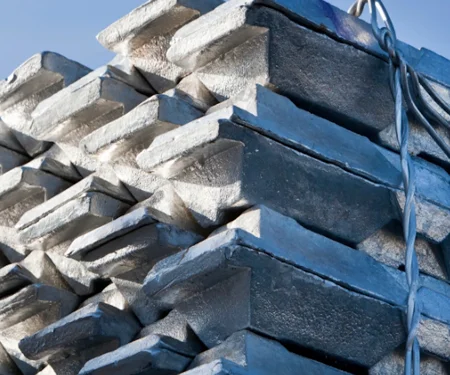
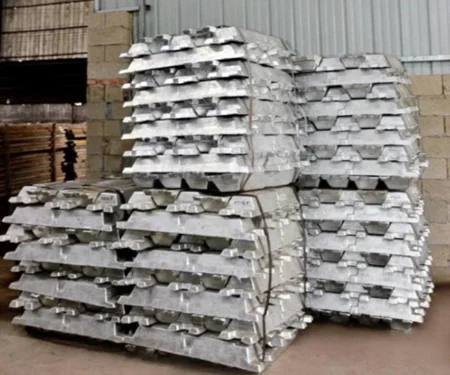
With a prominent presence in the alumina and aluminium sector, Glencore plays a pivotal role in the global market. It not only markets iron ore internationally but also processes and sells products sourced from various third-party aluminium and alumina producers. These offerings encompass a spectrum of essential elements, including bauxite, alumina, primary aluminium, and aluminium alloys, thereby shaping the very building blocks of numerous industries.
Amidst a landscape characterized by economic challenges and evolving market dynamics, Glencore stands as a resilient player, navigating uncertainties with a strategic approach. The first half of the year saw Glencore reporting a notable dip in earnings, reflecting a decrease of approximately 50 per cent. Such trends were mirrored across the industry, as prominent competitors like Rio Tinto, Teck Resources, and Anglo American also reported lower profits and returns, largely attributed to sluggish economic growth.
However, Glencore remains optimistic about the future, particularly with regard to China, the world's largest consumer of commodities. CEO Gary Nagle emphasized that while the situation might not align with earlier expectations of a "bonanza," China's recent commitment to bolstering its economy is a promising sign for the commodities market.
Glencore's adjusted core earnings, measured by earnings before interest, tax, depreciation, and amortization (EBITDA), recorded a decline from $18.92 billion in the corresponding period of the previous year to $9.39 billion. While analysts' estimates varied, the actual figures remained below expectations. Despite these figures, industry observers maintain a positive outlook on Glencore's strategy, highlighting its diverse commodity mix and the potential for value-enhancing mergers and acquisitions.
In an effort to further enhance shareholder value, Glencore announced additional returns totalling around $2.2 billion, consisting of a $1 billion special dividend and a $1.2 billion share buyback program. While these returns were notably lower compared to the previous year's figures, they underscore Glencore's commitment to providing value to its stakeholders.
Mergers and acquisitions (M&A) remains a pivotal aspect of Glencore's strategic agenda. In line with its broader vision, the company has divested over 20 non-core assets, thus focusing on minerals that underpin the burgeoning green energy sector. As the world transitions towards a low-carbon economy, Glencore focuses on supporting existing energy needs while strategically investing in its transition metals portfolio.
"As the world moves towards a low-carbon economy, we remain focused on supporting the energy needs of today whilst investing in our transition metals portfolio," Nagle said.
Additionally, Glencore's acquisition endeavours include securing equity stakes in select assets from Norwegian aluminium producer Norsk Hydro.
Glencore's journey stands as a testament to resilience and adaptability within a complex and ever-evolving industry. As economic challenges persist, the company's commitment to strategic acquisitions and sustainable practices positions it as a key player in shaping the commodities landscape. With a steadfast focus on optimizing returns and delivering value to shareholders, Glencore navigates the terrain with a vision that extends beyond the immediate horizon.
If you're interested in gaining further insights into the projected trends for global aluminium production in 2023, please click here.
Turnover at Alro Group declined in H1 2023
Next articleBenefits of using of AI, IoT and automation in the aluminium industry
Grow with
AL Circle