China recorded its first aluminium production fall in 10 years in 2019
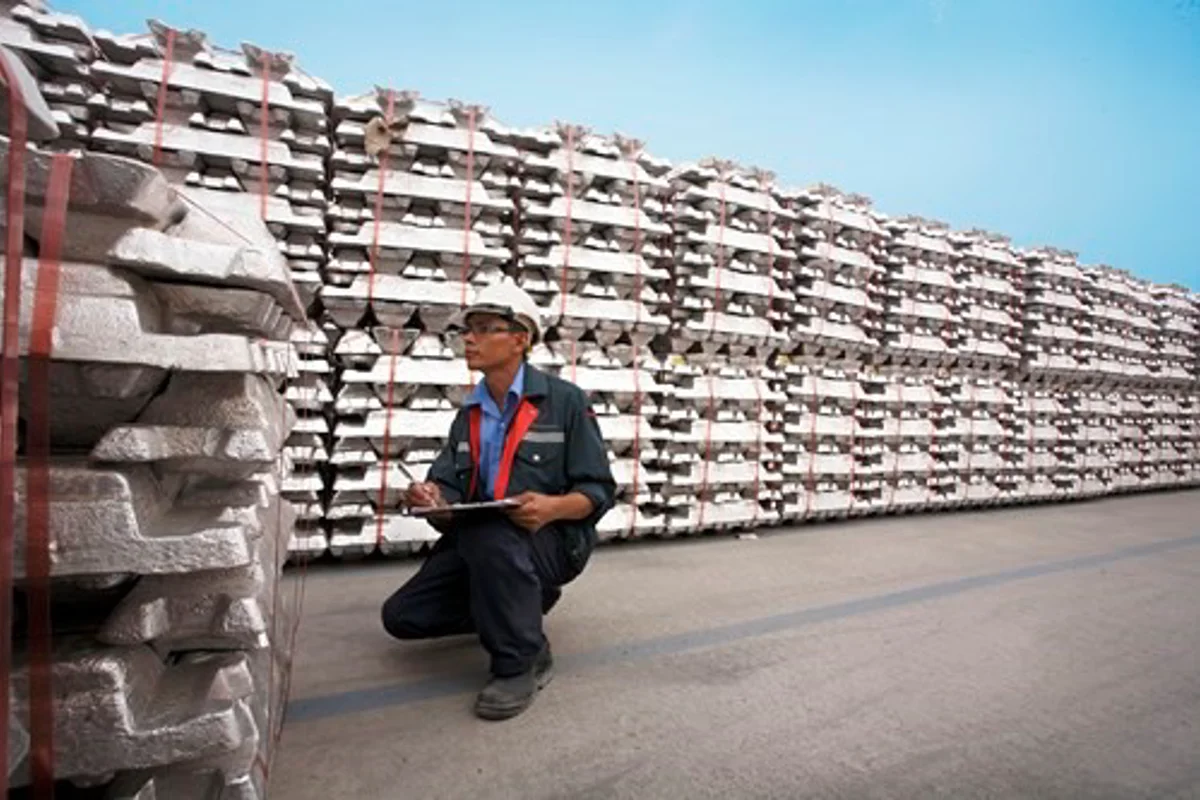
According to the National Bureau of Statistics, China’s annual aluminium production fell in 2019 for the first time in a decade. 35.04 million tonnes were the total aluminium production in China in 2019, down 0.9 per cent from record levels a year earlier, showed the NBS data.
Outage at some major Chinese smelters since August and close down of some of the lines at China Hongqiao Group due to flooding in Shandong province were some of the reasons behind the annual aluminium output decline.
The downfall in production also indicates China’s economic slowdown.
China’s annual aluminium consumption was also set to fall for the first time in 30 years in 2019, showed the research data of Antaike.
In December 2019, however, the aluminium output in China stood up month-on-month by 4.9 per cent to 3.04 million tonnes, thanks to production recommencements at smelters, but year-on-year, it was down by 0.7 per cent from the all-time high hit in December 2018. Nonetheless, the production in December 2019 was still the second-highest monthly figure on record.
Daily average output also increased in December by 1.44 per cent from 96,600 98,000 tonnes in November to 98,000 tonnes, according to Reuters calculations.

Lu Chen, a Beijing-based analyst for CM Group, pointed out that almost 1 million tonnes of annual aluminium smelting capacity restarted in December, mostly in western regions such as Qinghai and Xinjiang. Lu said the restarts were due to the hike in China’s domestic aluminium prices and the completion of smelters maintenance.
He expects January output to extend growth following the start-up of Henan Shenhuo’s new plant in Yunnan on Dec. 31 and the second phase of Yunnan Aluminium’s Heqing smelter earlier this month.
About 2 million tonnes of additional capacity is estimated to come online in China in 2020.
Rio Tinto’s aluminium production drops 2% YoY in 2019 on lower volumes at ISAL
Next articleLME aluminium recorded relentless hikes this week on incessant stock decline; SHFE aluminium showed a steady trend
Grow with
AL Circle