On March 24, 2024, Kristalina Georgieva, the Managing Director of the International Monetary Fund (IMF), suggested that China could experience significantly accelerated growth by implementing a comprehensive set of pro-market reforms compared to maintaining the current status quo.
In an address to the China Development Forum, Georgiaeva emphasised the importance of improving the property sector, reducing debt risks, and concentrating on domestic consumption. She said, “This additional growth would amount to a 20 per cent expansion of the real economy over the next 15 years. In today’s terms, that is like adding $3.5 trillion to the Chinese economy.”
She suggested that taking decisive measures to decrease the inventory of incomplete housing and allowing more room for market-driven adjustments in the property sector could expedite the resolution of current issues within the property market and enhance both consumer and investor trust.
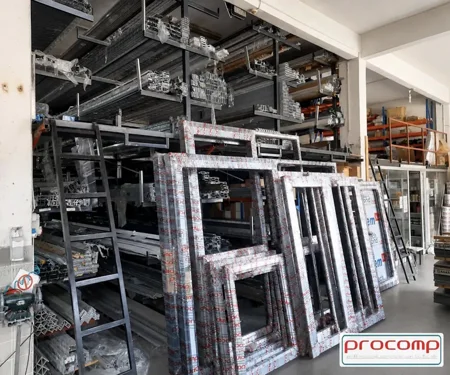
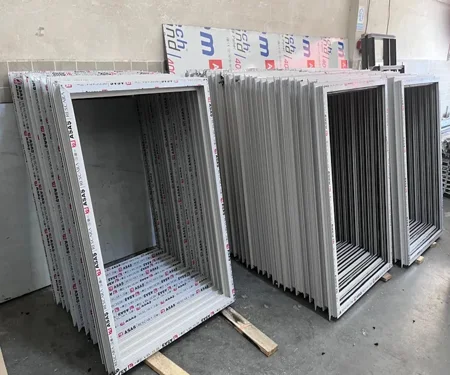
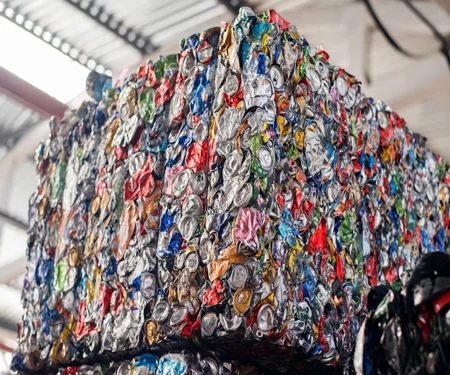
China dominates the global production of aluminium and steel, accounting for approximately 58-60 per cent of the world's total aluminium output and 54-56 per cent of the world's steel output. Moreover, China holds the leading position in several other metals, commanding a significant market share in their production.
Electric energy consumption represents the actual demand placed on existing electricity supplies. According to the U.S. Energy Information Administration (EIA), global electricity usage continues to escalate, outpacing the global population growth rate. This trend signifies a rise in per capita electricity consumption. The bulk of this surge is driven by escalating demand in developing nations beyond the Organisation for Economic Cooperation and Development (OECD). China stands as the world's foremost electricity consumer, annually utilising over 5.934 trillion kWh of energy. China alone contributes to nearly a quarter of global energy consumption. Although historically reliant on coal, China has increasingly diversified its energy sources, incorporating natural gas and renewable energy options in recent years.
In his recent official statements regarding the housing sector, Premier Li Qiang emphasised China's intention to continue refining property policies. Earlier this month, Li set an annual growth target of approximately 5 per cent for the current year, a goal viewed as ambitious by some analysts.
Additionally, IMF Managing Director Georgieva highlighted the importance of China bolstering domestic consumption. This can be achieved through measures such as increasing incomes, enhancing households' purchasing ability, and financially prudently extending the social security framework, particularly the pension system.
Georgieva emphasised China's need to establish a comprehensive AI regulatory framework, highlighting China's leading position among emerging economies in AI readiness.
In January, China's industry ministry released preliminary guidelines to standardise the AI sector, setting a target to implement national and industry-specific standards by 2026.
Georgieva highlighted China's significant potential for driving the green economy forward. Although China is at the forefront of renewable energy deployment, there's room for improvement in selling more electricity at market rates to enhance decarbonisation efficiency. Additionally, she suggested expanding China's emissions trading system (ETS) to include the industrial sector.
The Emissions Trading System (ETS), currently applicable to the power sector, is anticipated to encompass additional sectors, such as cement and aluminium, by the conclusion of 2025.












_md.webp)
_md.webp)
_md.webp)