When Romanian aluminium producer Alro sounds the alarm, it’s not just about Romania. It’s a signal to the entire European industrial complex: brace for a flood of cheap Chinese aluminium — and brace fast.
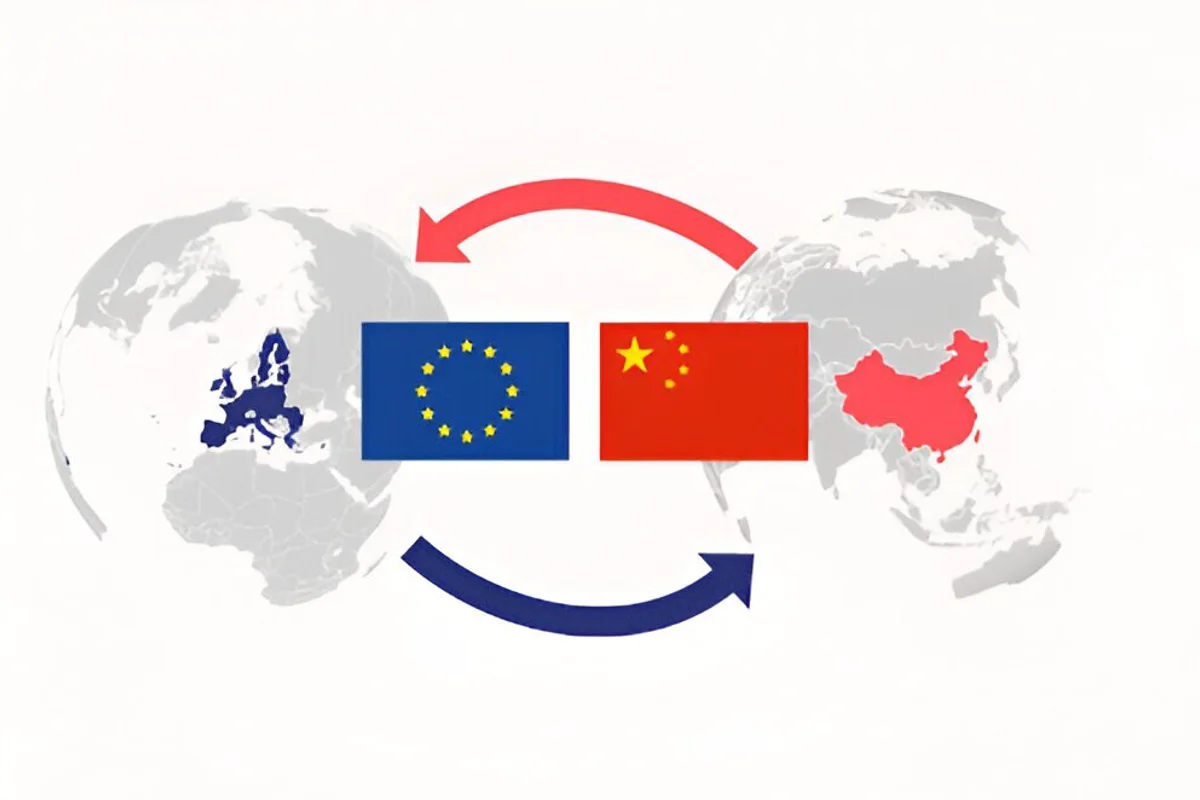
Image source: Taihe Institute
In a pointed public statement, Alro Chairman of the Board of Directors, Marian Năstase, warned of an imminent danger from Chinese aluminium imports priced below the cost of production. His message? Europe is sleepwalking into industrial decline while China quietly eats its lunch.
“The [trade war] affects us, most of all, not necessarily because we cannot sell more on the American market, but because we will be invaded by goods from Asia, mainly Indonesia and China, which will come and suffocate the European market, no longer being able to go to the United States,” he shared at an energy sector conference and was quoted by Economica.net.
The bigger picture: China’s aluminium muscle
China produces over 60 per cent of the world’s aluminium. While it has capped primary production at 45 million tonnes annually, that cap hasn’t stopped semi-finished exports, particularly rolled and extruded aluminium, from surging globally. Chinese producers, once aided by VAT export rebates (scrapped in December 2024), are now offloading excess material at rock-bottom prices to maintain margins.
However, according to Chemanalyst, the removal of these tax rebates is expected to reduce Chinese aluminium exports by up to 9 per cent in 2025, potentially tightening global supply and influencing prices.
The result? Supply chain disruption for anyone outside China trying to compete fairly. And, with sky-high energy prices and weak industrial safeguards, Europe is the softest target.
Aluminium demand rises, but not all producers win
2025 is expected to see a global aluminium deficit of around 400,000 tonnes, driven by a rebound in automotive, aerospace and renewables. On paper, that should be good news for producers.
But Europe’s smelters aren’t celebrating. Output across the bloc has halved since 2008. Most operations are only marginally profitable or shut entirely due to soaring electricity costs and a lack of structural policy support.
Alro, for instance, is running at reduced capacity and increasingly depends on imported raw materials to stay operational. Others, like Slovalco, have closed. These aren’t just local closures! They are strategic losses for Europe’s autonomy in critical raw materials.
Not waiting around. Canada imposed a 25 per cent surtax on Chinese aluminium products. The Gulf Cooperation Council slapped anti-dumping duties on Chinese alloy imports. Even the United States, often divided on trade, has recently imposed heavy tariffs and quotas one after the other on the Asian country.
Europe, meanwhile, is still ‘evaluating’. Especially after March 2019, when the European Union referred to China as a ‘systemic rival’, reading the situation is not that difficult, is it?
And here lies the crux — the EU talks big on strategic autonomy and green industry but delays defensive trade tools. Năstase calls it out directly that Europe’s ‘naive approach’ to trade is undermining its own producers while rewarding heavily subsidised, carbon-heavy supply chains.
Europe has aluminium’s demand, and a lot of it is for EVs, wind turbines, and building renovation. But it’s outsourcing that demand to regions with dirtier energy mixes. Chinese smelters, under climate pressure at home, are relocating to places like Indonesia, where power still comes from coal.
So the ‘green’ aluminium Europe imports might have a lower price tag, but a much higher emissions footprint. It’s a lose-lose scenario as the industry here collapses, and the emissions go offshore.
Despite the anticipated pressure from Asian imports, Alro sees a limited window of opportunity in the US market. The company currently holds a 500-tonne export quota for the United States, a fraction of the 10,000 tonnes allocated to one of its European competitors.
“So this gives us an advantage from a certain perspective. But, separately, goods will come from the east at dumping prices,” Năstase added.
This isn’t just about smelting. Aluminium is a foundation for high-value manufacturing — from aerospace to packaging. Losing domestic production means becoming a permanent importer. That means greater exposure to geopolitical risk, less price stability, and a broken industrial value chain.
Here, the call to action is blunt — protect the industry now or risk losing it for good.
For insiders, the implications are clear. Without coordinated EU-level action, including trade defence instruments, energy cost relief, and support for green aluminium production, the continent will continue ceding ground. And once the smelting capacity is gone, it doesn’t come back.













_md.webp)
_md.webp)







