Century Aluminum faces earnings pressure from energy costs and aluminium price swings
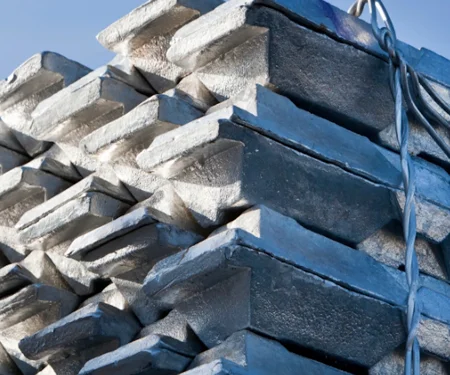
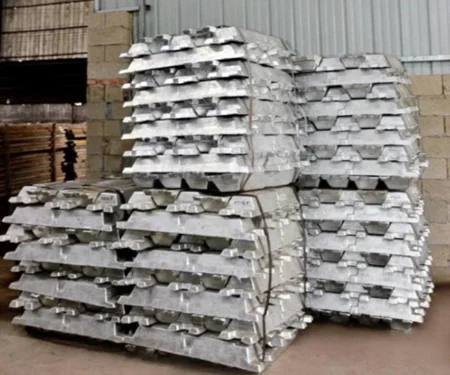
Stock image for referential purposes only
Century Aluminum Company has returned to investor’s focus after its recent quarterly results showed how falling aluminium prices and high power costs are affecting profitability. The company is also continuing to spend on expansion and low-carbon projects, adding pressure to near-term earnings.
The aluminium producer operates smelters in the United States and Europe and supplies primary aluminium products to industries such as automotive, packaging, construction and manufacturing. Its financial performance is closely linked to London Metal Exchange aluminium prices, while regional premiums, alumina costs and electricity rates also have a major impact on margins.
Power remains one of the company’s most important cost factors because aluminium smelting consumes large amounts of electricity. Century Aluminum has been working on long-term power agreements and lower-carbon energy sourcing in an effort to improve cost stability and support demand for cleaner aluminium from industrial customers.
Explore: The most comprehensive and forward-looking industry-focused report – Upcoming Report - A Comprehensive Analysis of Bauxite Residue (Red Mud): Sustainability, Resource Recovery and Strategic Recommendations
The company has also increased focus on value-added products such as billet and foundry alloys, which generally provide stronger margins than standard-grade aluminium. These products are used in automotive and engineered applications where customers often prefer longer-term supply arrangements.
Century Aluminum’s US operations are considered strategically important as manufacturers seek more domestic aluminium supply and reduced dependence on imports. Its European plants, however, remain exposed to energy market volatility and tightening environmental rules across the region.
Alongside current operations, the company is pursuing projects linked to low-carbon aluminium production and future demand from electric vehicles, renewable energy infrastructure and lightweight transport. These investments could support long-term growth, although they are expected to keep spending levels high in the short term.
Industry observers also point to tariffs, trade measures and carbon-related regulations in the United States and Europe as important factors for the company’s outlook. Policies supporting domestic and lower-emission aluminium production may improve the competitive position of producers such as Century Aluminum over time.
Explore our e-magazine ALuminium LeaderSpeak 2026 for the latest industry insights and trends.

GCC aluminium production outlook revised for Q2 2026 after April output shock
Next articleFrom mines to markets: How geopolitics and raw material pressures are transforming aluminium supply chains
Grow with
AL Circle