Car companies want the US to renounce imported vehicles tariff plans

Car companies and parts suppliers are constantly urging the United States not to impose additional tariffs of up to 25 per cent on imported vehicles, saying that this could result in job cuts, loss of investments, and even higher prices.
According to the reports by The Guardian, Bloomberg, CNBC, Reuters and Fortune, General Motors warned the US that its higher tariffs on imported cars and other aluminium and steel products could make it isolated from the global economy.
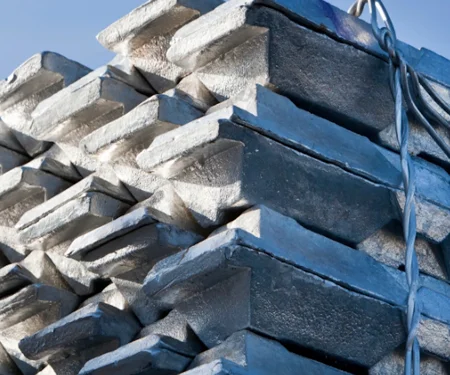
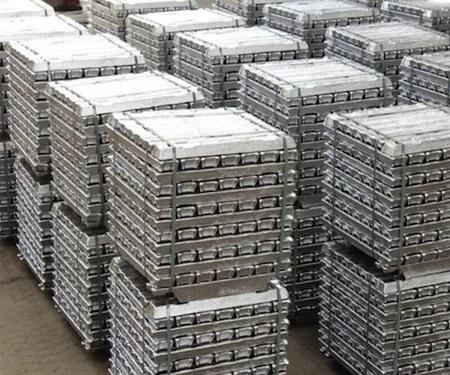
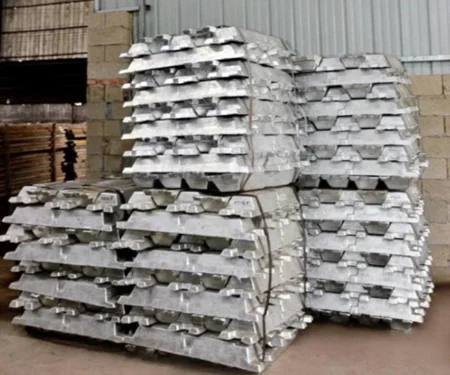
Besides imposing additional 25 per cent tariff on imported steel and 10 per cent on imported aluminium on the European Union, Mexico, and Canada last month, United States threatened to increase tariffs on imported vehicles, noting that there had been an imbalance in international import duty fees. The car companies fear the consequences like increased vehicle prices, higher costs passed on the consumers, and lower wages for employees.
Meanwhile, Toyota said in an official statement, “a potential tariff on automobiles and parts would have a negative impact on all manufacturers, increasing the cost of imported vehicles as well as domestically produced vehicles that rely on imported parts.”
It also added, “Engaging in trade wars with our allies would diminish, not enhance, US national security, jobs and prosperity, and undermine the rules-based global trading system, which has led to a period of unparalleled peace and prosperity in Europe and Asia for the last half-century.”

Mazda, on the other hand, urged the US Commerce Department to reject that auto imports pose a threat to national security, anticipating that the cost of every single vehicle in the US would increase on the imposition of tariffs.
South Korean automaker Hyundai neither laid back to express its fear on US auto tariffs consequences. Hyundai spokesman Jim Trainor said, “Changes to the existing tariff structure could negatively impact our current US production and further expansion. Imposing tariffs on steel could increase production costs, which could lead to higher prices for US consumers, and, potentially, decreased demand.”
Aluminium bodied 2018 Ford Expedition and Lincoln Navigator awarded five start crash ratings by NHTSA
Next articleDenmark aluminium tubes & pipes export to record 4% drop in volumes in 2018
Grow with
AL Circle