Canada Border Services Agency updates trade compliance verification list for 2026

In January 2026, the Canada Border Services Agency (CBSA) issued an updated trade compliance verification priorities list that encompasses tariff classification and surtax regulations enforcement for specific products. This list reflects CBSA’s ongoing efforts to ensure that imported goods are properly reported and that duties, taxes and compliance requirements are met, using a risk-based approach that evolves over time.
Explore- Most accurate data to drive business decisions with Outlook 2026 insights across the value chain
The verification regime requires importers to classify products as per tariff regulations, declare their origin and value with precision and pay suitable taxes and duties for them. Verifications help assess whether import documentation and practices meet the legislative standards set out under the Customs Act and related trade legislation.
Key Compliance Priorities as of January 2026
The 2026 verification priorities include several areas that have been influenced by recent trade developments and tariff measures.
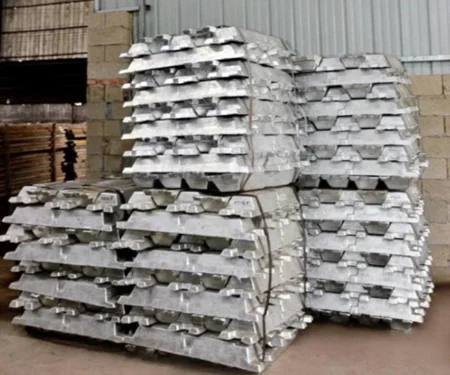
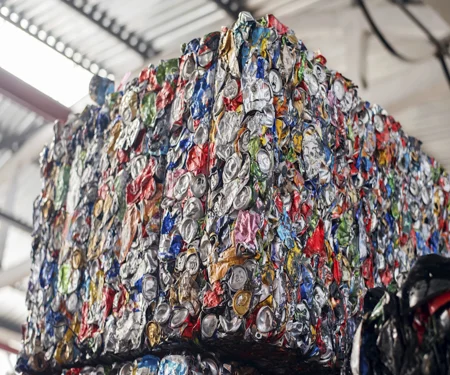
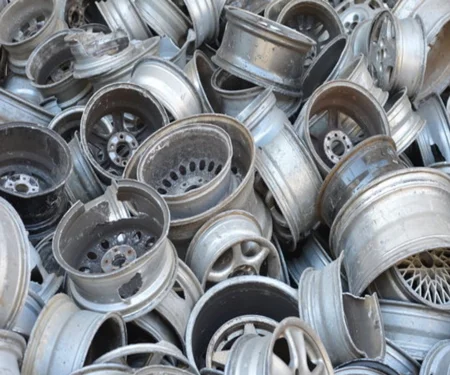
The CBSA will emphasise enforcement of China Surtax Orders on certain imported products, including steel, aluminium and a surtax of 100 per cent on electric vehicles (EVs). Regarding the United States, surtax orders have been applied on US-origin goods, including aluminium, steel and motor vehicles, with a 25 per cent surtax on aluminium and steel. Specific steel imports will fall under the surtax orders. The regulations underscore recent tariff actions taken to protect domestic industries.
According to the previous update in August 2025, aluminium products subjected to surtax included aluminium alloys, wire, foil, aluminium plates, aluminium sheets and strips, aluminium bars, rods and profiles, aluminium tubes and pipes, and aluminium tube or pipe fittings, such as elbows, sleeves, and couplings.
Emphasis has been laid on free trade agreements for origin verification. Those mentioned are the Canada-United States-Mexico Agreement for the automotive sector, along with the Canada-European Union Comprehensive Economic and Trade Agreement, as well as the Canada-United Kingdom Trade Continuity Agreement.
The compliance agenda continues to cover supply-managed goods. The 2026 targets include the implementation of the Duties Relief Program for importing supply-managed products and tariff rate quotas. This includes classifications and quota administration for items like frozen desserts with 5 per cent dairy content, cheese and spent fowl products. Codes for GST exemption, vaping products and precious metals have also been added under the verification priorities for 2026.
Electricity import verifications under Chapter 27 of the Customs Tariff are included within a new area of compliance priority.
The update also acknowledges misclassification risks, such as spent fowl, frozen desserts, round 2 of LED lamps, and rounds 3 of gloves and bags. It has been emphasised that the CBSA priorities may evolve during the year as risk profiles and trade conditions change.
To support enforcement, the CBSA continues to use its CBSA Assessment Revenue Management (CARM) system, which helps validate duties, taxes and compliance data.
Other compliance intervention tools under CBSA include trade advisory notices, letters validating compliance, and directed compliance letters. These are intended to be more efficient than traditional labour-intensive techniques, aimed at prompting voluntary corrections and focusing on specific transactions where discrepancies are suspected.
As for the key takeaways for importers, they are encouraged to take a proactive approach to customs compliance by ensuring their documentation is tariff-wise updated and accurate. They are advised to adopt a well-informed and positive mindset to adjust to the prolonged and expensive verification processes. Implementing frameworks, programmes, and methodologies can help businesses manage risk effectively and continuously strengthen their customs and trade compliance practices.
Image source: https://www.cbibank.com/
Don't miss out- Buyers are looking for your products on our B2B platform

Upstream funding, project expansion and tightening supply are resetting aluminium’s market direction
Next articleLME aluminium cash offer slips to USD 3,147/t as the market turns sharply lower
Grow with
AL Circle