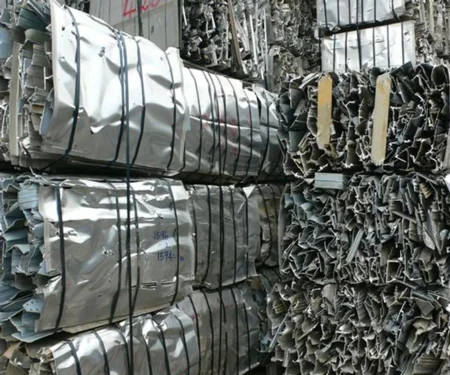
Britain announces to levy duties on American aluminium imports and forgo $4 billion tariff plan over aircraft trade dispute
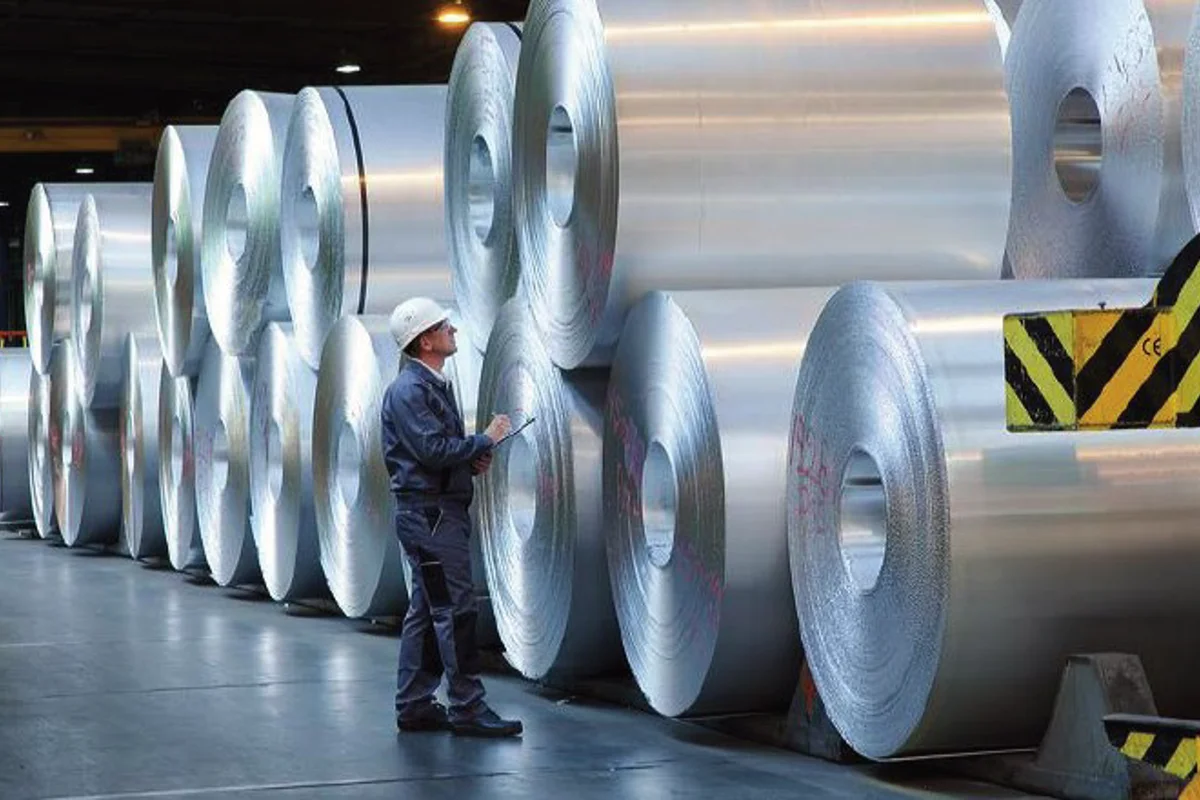
On Tuesday, December 8, Britain announced to impose retaliatory tariffs on the United States aluminium and steel imports after it separates from the European Union on January 1. It also announced to forgo the $4 billion tariff plan, which was part of a long-running trade battle over aircraft subsidies.
The decision of placing tariffs on American aluminium and steel comes as Britain wants to take control over its own trade policy after it departs the European Union. On the other hand, the suspension of tariffs over aircraft trade battle is an attempt to calm trade tensions between the two countries and pave a new way for future trading relations.
“Ultimately, we want to de-escalate the conflict and come to a negotiated settlement so we can deepen our trading relationship with the U.S. and draw a line under all this,” Liz Truss, Britain’s international trade secretary, said in a statement.
She also said that tariffs on American aluminium and steel would protect Britain’s domestic metal industry, while also representing that these disputes would bring no good fortune to either of the two countries.
The tariffs on American aluminium and steel are in response to the US President Donald Trump’s decision to levy duties on metals from the European Union in 2018. The European Union already imposed retaliatory tariffs on the US goods like steel bars, whiskey, and orange juice. But this would be an additional tariff on America with Britain separating from the EU bloc.
_0_0.jpg)
The $4 billion tariff plan on the United States as part of the aircraft trade dispute was announced on November 9 after multiple failures to achieving a negotiated solution.
British authorities mentioned on Tuesday that it suspended the Boeing tariffs “in an effort to bring the U.S. toward a reasonable settlement and show the U.K. is serious about reaching a negotiated outcome,” however that it reserved the suitable to impose tariffs once more if such a compromise couldn’t be reached.
Alcomet starts operations at its new rolling mill
Next articleBrexit: Maker of decorative Aluminium trims for auto industry “Northern Automotive Systems” to lay-off 130 employees
Grow with
AL Circle