Brazil’s renewable hub expands: CPFL brings $144.8M solar investment to Rio Grande do Norte
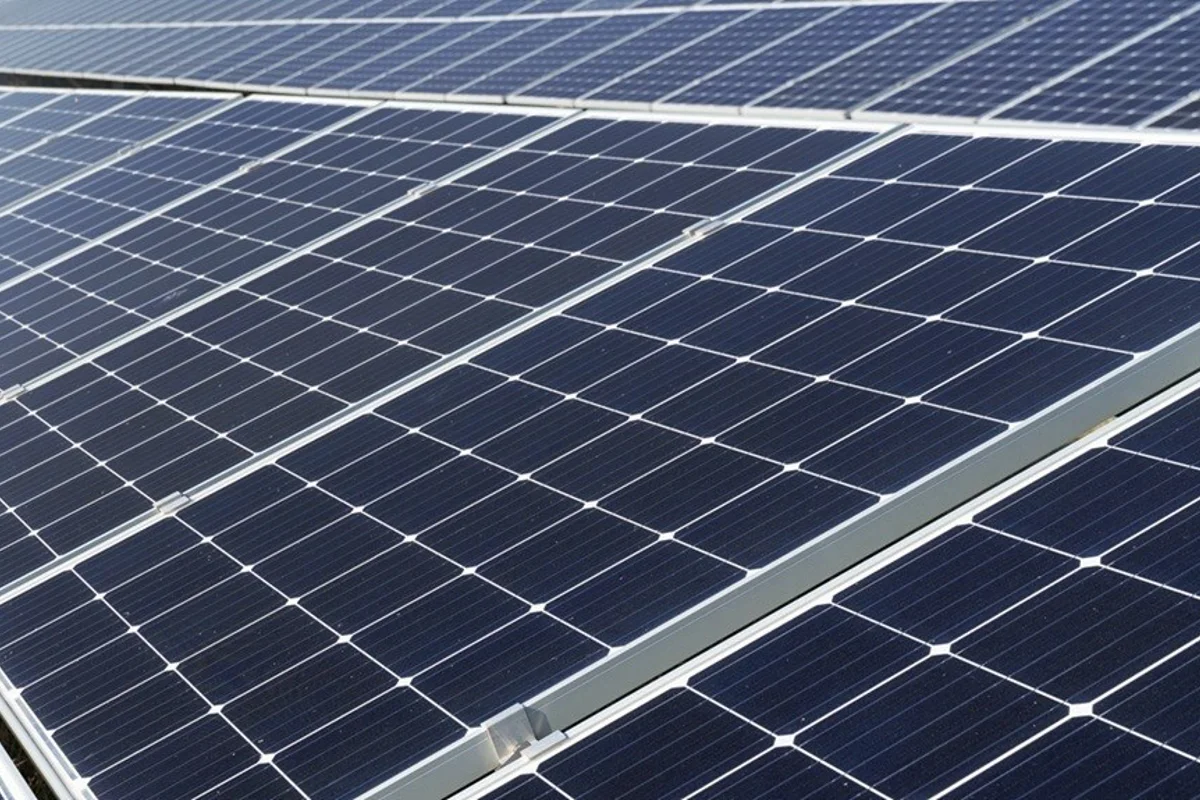
Rio Grande do Norte is set to receive another major boost in renewable energy. The Chinese group CPFL Energia confirmed an investment of about BRL 800 million (USD 144.8 million) to install new photovoltaic generation projects in the state, strengthening its position as one of Brazil’s leading hubs for clean energy.
The delegation, led by Sun Peng, chairman of the company’s board of directors, was joined by executives from CPFL Renewables and state authorities. The initiative marks a new step for the conglomerate in Brazil, expanding its portfolio beyond wind power and moving decisively into large-scale solar generation.
CPFL’s parent company, State Grid, has 843.3 MW of installed capacity in Rio Grande do Norte - the equivalent of roughly 61 per cent of its wind generation in Brazil. The new phase focuses on integrating solar projects with the infrastructure already operating in Touros, João Câmara, Pedra Preta and Parazinho.
The strategy is designed to match technologies rather than replace them: by combining wind and solar on the same sites, land use can be optimized, operational costs fall, and energy output becomes more efficient throughout the year. During construction, the projects are expected to create around one thousand jobs.
To know about 2026 aluminium industry trend, visit: Global Aluminium Industry Outlook 2026.
Government highlights climate leadership - and future potential
Governor Fátima Bezerra underscored that the investment aligns with a broader state vision for renewables.
“These working meetings are to add value, unlock demands, and address bureaucratic requirements. Rio Grande do Norte is the greenest state in Brazil, self-sufficient in clean energy, and has one of the most important projects in the field of clean energy - the Green Industry Port, which will operate in the area of green hydrogen,” she said.
For the government, expanding solar generation is not just an energy milestone - it is also a tool for attracting new businesses and reinforcing local supply chains linked to clean technologies.
Social and environmental commitments remain part of the package
The discussion also focused on compensation measures tied to environmental and social impacts. Authorities cited the project already carried out in the Amarelão community, in João Câmara, where State Grid invested BRL 8 million (USD 1.4 million) in a desalination and water supply system.
Sun Peng signaled support for expanding similar initiatives, promising continued dialogue with local and traditional communities in areas affected by upcoming solar installations.
Future steps
By the end of the meeting, participants agreed to hold another round of discussions in the first half of January. The session will bring together company representatives and state secretaries to advance the technical and administrative steps needed to move the projects forward.
Officials from departments including Economic Development, Environment, Culture, Institutional Relations, Infrastructure and state environmental agencies took part in the discussions. Expectations are that the new solar investments will further consolidate Rio Grande do Norte as one of Brazil’s most important renewable-energy hubs.

India turns to self-reliance as China curbs rare earth exports - can expansion plans bridge the gap?
Next articleBeijing keeps rare earths tight despite Trump deal, reviving US supply concerns
Grow with
AL Circle