Brazil’s import of aluminium stranded wire during 2019-20 exhibits downswing; Forecast for 2021 stands with 14% growth

Brazil was severely hit by the Covid-19 pandemic and despite a high number of infections and fatalities, the economy recovered strongly at the end of 2020. GDP growth is expected to reach 3.7% in 2021 and 2.5% in 2022, driven by a progressive increase in household consumption and investment.
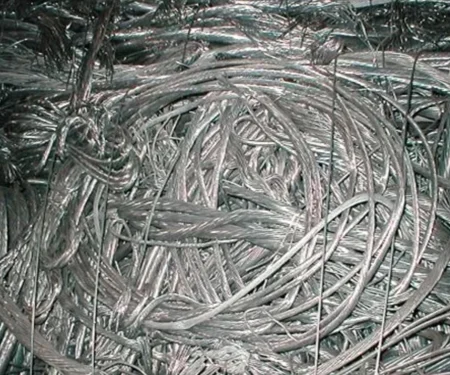
The largest country in South America recorded 50,136 tonnes of aluminium stranded wires during 2019-20. Aluminium provides a better conductivity to weight ratio than copper and therefore is also used for wiring power grids, including overhead power transmission lines and local power distribution lines.

Brazil’s import of aluminium stranded wire in 2019 stood at 26,160 tonnes and the expenditure for the import remained at $67.24 million; whereas, in 2020 the import exhibited a downswing by 8.34%, as the import volume dropped to 23,976 tonnes and the expenditure also fell to $57.67 million.
The import for 2021 is forecasted with growth by 14.32%, as the import volume is analysed to reach 27,411 tonnes and the expenditure to stand at $66.10 million.

The major trading nations for Brazil’s importation of aluminium stranded wire are China, Colombia, India, Turkey, USA, etc.
Audi adopts green aluminium wheels for new e-tron GT electric sedan
Next articleUK: TVS Group acquires maker of aluminium bodies for rigid and tipping trailers ‘Wilcox Commercial Vehicles’
Grow with
AL Circle