22 AUGUST 2014AlCircle.com
Brazil’s aluminium smelter shuts down due to high electricity prices
Edited by : AL CIRCLE
2 min read

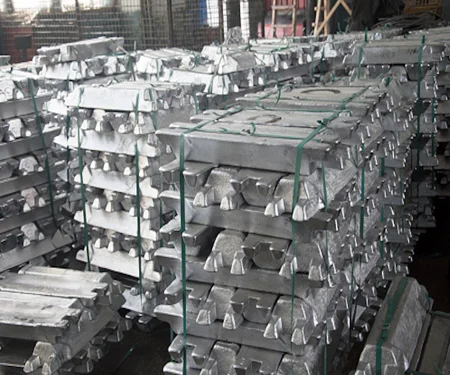
An Alcoa Inc. smelter has been idled as producing aluminium in Brazil has become very expensive. The Pocos de Caldas smelter has stopped producing aluminium and selling the facility’s power instead to combat the high electricity prices.
With the worst drought seen in decades, the water reservoirs that were used for hydroelectric generation have started to dry up. This, coupled with the high costs of labor and transportation, has made aluminium production uneconomical.
The Brazil government has taken suitable steps to combat the situation with possible water rationing on the cards, while taxes on imported aluminum are being cut to meet the high demand for aluminium beverage cans.
Despite having the third-largest ore reserves, the country is forced to import more refined metal than it exports. The output level in July was at its lowest on record that date back to 1996. This adds to the global deficits that are already noticed around the world pushing the aluminium price to its highest in 17 months, this week. The deficit is likely to stretch on till 2017 says Goldman Sachs Group Inc.
Since hydro-electric generators contribute about 70% of Brazil’s electricity, the drought pushed the spot prices to 822 reais ($362) per megawatt hour on Jan 31, the peak of Southern Hemisphere summer. Since smelters needs more than abundant electricity, this crisis caused a set back to the Poscos de Caldas smelter.
David Wilson of Citigroup Inc.in London however assured that the idling was only temporary and they are not permanent closures.
With the worst drought seen in decades, the water reservoirs that were used for hydroelectric generation have started to dry up. This, coupled with the high costs of labor and transportation, has made aluminium production uneconomical.
The Brazil government has taken suitable steps to combat the situation with possible water rationing on the cards, while taxes on imported aluminum are being cut to meet the high demand for aluminium beverage cans.
Despite having the third-largest ore reserves, the country is forced to import more refined metal than it exports. The output level in July was at its lowest on record that date back to 1996. This adds to the global deficits that are already noticed around the world pushing the aluminium price to its highest in 17 months, this week. The deficit is likely to stretch on till 2017 says Goldman Sachs Group Inc.
Since hydro-electric generators contribute about 70% of Brazil’s electricity, the drought pushed the spot prices to 822 reais ($362) per megawatt hour on Jan 31, the peak of Southern Hemisphere summer. Since smelters needs more than abundant electricity, this crisis caused a set back to the Poscos de Caldas smelter.
David Wilson of Citigroup Inc.in London however assured that the idling was only temporary and they are not permanent closures.
Unlock full access – sign up for FREE.
Key benefits
Find exclusive data-driven insights and in-depth analysis
Get our daily newsletter delivered straight to your inbox
Access real-time and historical price trends from global indices
Post and respond to latest business leads
Stay ahead with alerts on learning tools
...and so much more!SIGN UP / LOGIN
Previous article
Noranda announces electricity rate ruling by Missouri public service commission
Next articleThe slow Chinese economy triggers a fall in aluminium contract
Grow with
AL Circle