Bosnia Herzegovina’s aluminium scrap export during 2019-21 manifests enterprising growth; 49% upswing predicted for 2022

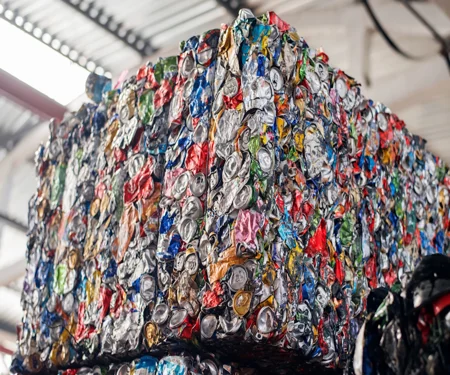
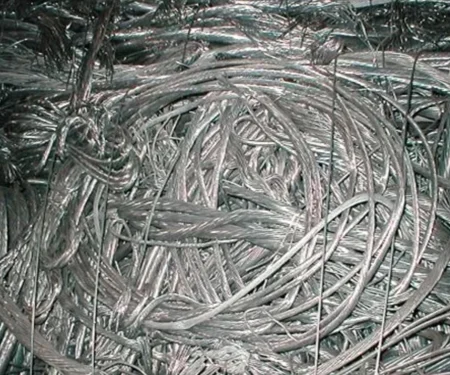
Aluminium is one of the most profitable metals to scrap and it is the most vital input material to the recycling process. Aluminium scrap is generally labelled as ‘new scrap’ from production processes and ‘old scrap’ from post-consumer use. New scrap arises during the manufacturing of aluminium semi-fabricated and final products. Now, depending on the type of scrap and the desired product quality, various types of furnaces for melting aluminium scrap are used.
Bosnia Herzegovina has many mineral resources, including bauxite, iron ore, copper, lead, zinc, and lignite, despite its relatively nominal size. The metal processing sector, which incorporates ferrous and non-ferrous metals, is the most valuable segment of the mining industry. The mineral industry is the largest of goods by value and has registered positive growth in recent years. The metal-processing sector is governed by aluminium, iron, zinc, and steel, while the extraction sector is influenced by bauxite, lead, copper, zinc, and steel.
The South-eastern European nation, Bosnia Herzegovina, exported 26,029 tonnes of aluminium scrap during 2019-21, incurring around $30.33 million in foreign revenue from the export. In 2019, the upper-middle income country exported 6367 tonnes of aluminium scrap, which accounted for earnings of $6.91 million. In 2020, the export witnessed a significant growth of 33.87%, as the export volume rose to 8524 tonnes. The gains also climbed to $7.88 million.
The country in the western Balkan, Bosnia Herzegovina, exported 11,138 tonnes of aluminium scrap in 2021, signifying a growth of 30.66% and the revenue inflow soared to $15.54 million.
The aluminium scrap export for 2022 has been analysed with a further sharp rise of 49.91%, as the export volume is anticipated to incline at 16,697 tonnes, while the earnings are predicted to dip at $14.80 million.
The major trading destinations for Bosnia Herzegovina’s export of aluminium scrap are Czech Rep., Austria, China, Croatia, Romania, Slovenia, etc.
Top Newsmakers for July 2022: Nestlé launched 'Starbucks at Home' coffee capsules made from 80% recycled aluminium; German aluminium industry prepared for the gas crisis, drew up contingency plans
Next articleHydro’s NOK500 million investment at its Cressona extrusion facility may reduce carbon footprint by 5%
Grow with
AL Circle