BOC ignites Phase 2 of UK’s Industrial Fuel Switching Competition to achieve Net Zero targets
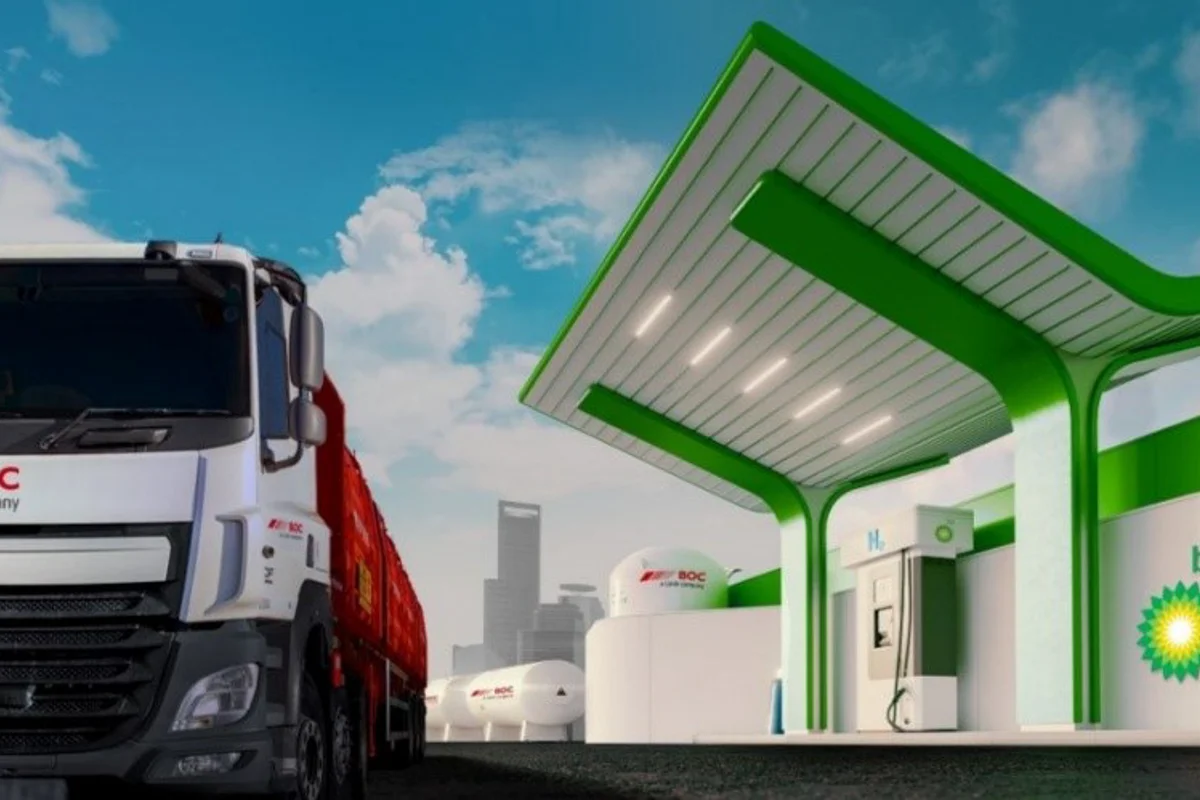
BOC is the primary supplier of hydrogen to six selected projects in Phase 2 of the UK government's Industrial Fuel Switching Competition. The IFS Competition aims to demonstrate the feasibility of fuel switching and related technologies and help industries switch from high-carbon fuels.
BOC has already proven the potential of hydrogen as a low-carbon alternative in the previous round of the competition, and now, the company will support the demonstration of fuel switch solutions for industrial processes across additional industrial sites.
The UK government is funding these projects through the £55m Industrial Fuel Switching Competition, which is part of the £1bn Net Zero Innovation Portfolio (NZIP). BOC will provide gas pressure control technology to various industrial processes, including facilities that recycle aluminium and sites that produce clay products, cereals, and tissue paper throughout the UK.
In collaboration with the British Ceramics Confederation, BOC will collaborate with Wavin Pipes, Ideal Standard, and DSF Refractories. At the same time, BOC will supply hydrogen for demonstration projects with Kellogg's, Essity, and Novelis, supported by Progressive Energy, subject to contract. The first demonstrations will occur by the end of 2023, continuing into 2024.
Industrial decarbonisation is a crucial component of achieving net zero, and hydrogen is the most practical solution for decarbonising many hard-to-abate industrial processes. One among them is aluminium, which requires a lot of energy in the primary production process. That is why, recycling leaders like Novelis, EGA, and Capral are eager to produce more and more secondary aluminium with low-carbon content, ultimately decarbonising the entire value chain, from production to collection and recycling. These new demonstrations will showcase hydrogen's potential across a broader range of industries.
The UK Sales Manager - Decarbonisation and Hydrogen Applications at BOC UK & Ireland, Wayne Bridger, explained: "From breakfast cereals to ceramics, these trials demonstrate the vital role of hydrogen-based decarbonisation across an even broader spectrum of UK industrial processes than ever before. Being the preferred supplier and operator of hydrogen in this key phase of the government's competition demonstrates BOC's critical role in the drive to decarbonise UK industry."
The Deputy Chief Executive of the British Ceramic Confederation, Andrew McDermott, commented: "The funding of almost £6 million through the Industrial Fuel Switching Phase 2 Competition, as part of the £1bn Net Zero Innovation Portfolio, allows Phase 2 of the 'Hydrogen for the Ceramics Sector' project to progress. This is a vital project for UK ceramics and aims to demonstrate a key route to help decarbonise the sector. It will also provide a greater understanding of the use of hydrogen in an industrial setting that is capable of firing the vast array of ceramic products that are produced in the UK."

BOC has over a century of experience producing hydrogen and is well-placed to supply hydrogen to all six successful projects. BOC has leading capabilities in the UK for decarbonising high-temperature industrial processes using oxygen and hydrogen, which it can supply at scale.
Minimaus forges miniature Marvel Characters with used aluminium cans
Next articleScrap Expo: Unleashing the potential of metal scrap in Louisville, Kentucky!
Grow with
AL Circle






















