BMW sets target to avoid over 200 million tonnes of CO2 emission by 2030; Plans solar power for aluminium production in future
The German multinational corporation which produces luxury vehicles and motorcycles, BMW Group is fostering its mission for sustainable mobility with ambitious goals for the reduction of greenhouse gases.
On 12th May 2021, during the Annual General Meeting, the company announced that it will avoid the emission of over 200 million tonnes of CO2 by 2030.
BMW said that this is equivalent to more than 20 times the annual CO2 emissions of a city with over a million residents.
To attain this target, the automotive company will diminish its carbon footprint throughout their lifecycle – from raw material extraction to production and the use phase to end-of-life recycling. However, the usage of fewer resources and materials will be one of the priorities for the company in this process.
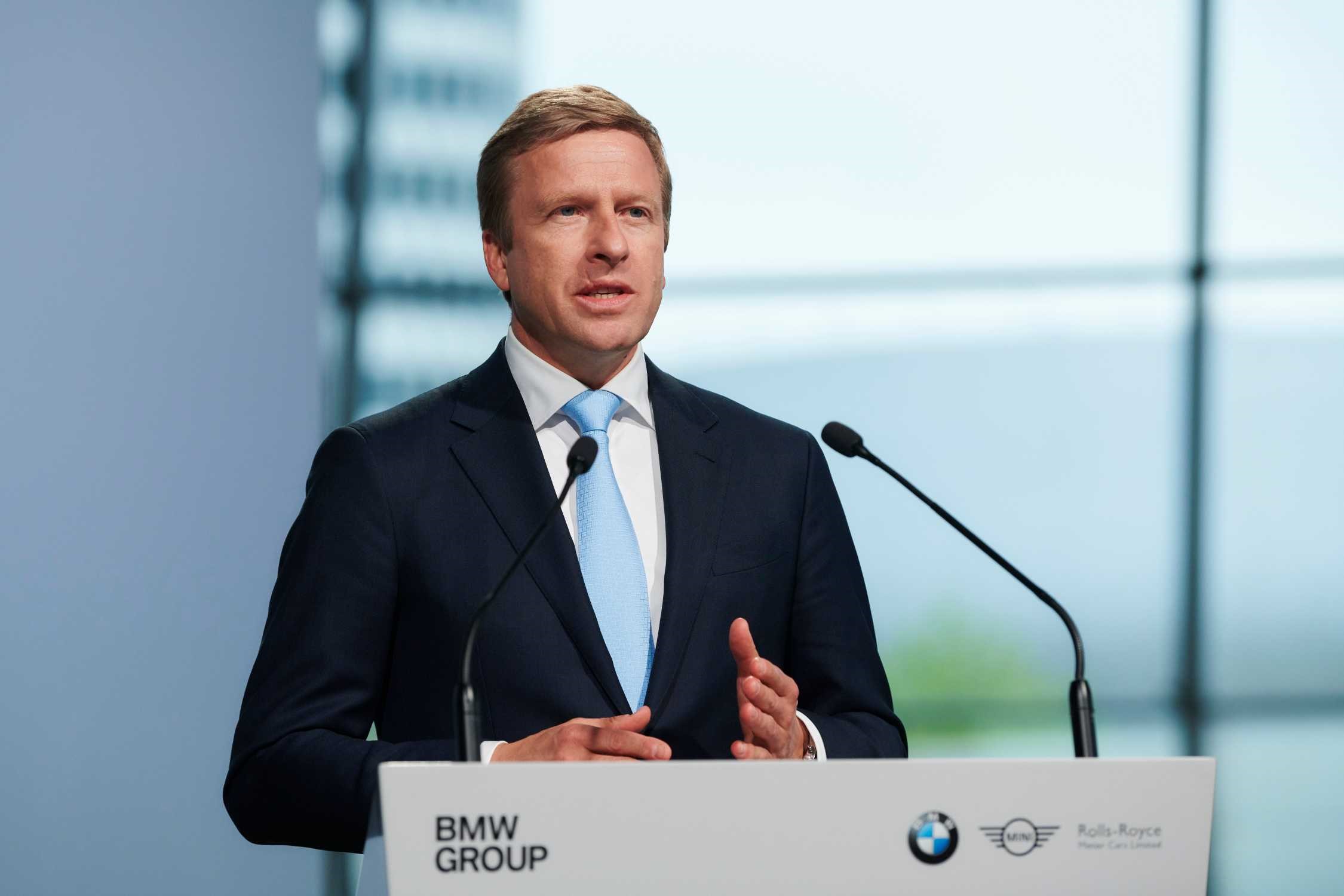
At the AGM in Munich, Oliver Zipse, Chairman of the Board of Management of BMW AG, said: “A climate-friendly car is not created solely by using green power. We must design our vehicles for sustainability from the very first day of development: reducing the amount of material used to manufacture them and, above all, planning for reuse and recycling from the very beginning. In the face of rising raw material prices, this is not just an environmental, but also a business imperative.”
The company has taken the circular economy technique with the philosophy of 'Re:Think, Re:Duce, Re:Use and Re:Cycle', an integrated way to reduce the use of primary raw materials in the cars of the future.
"The technology for this is extremely demanding. That is why we want to lead the way on the circular economy and play a pioneering role," added Oliver Zipse.
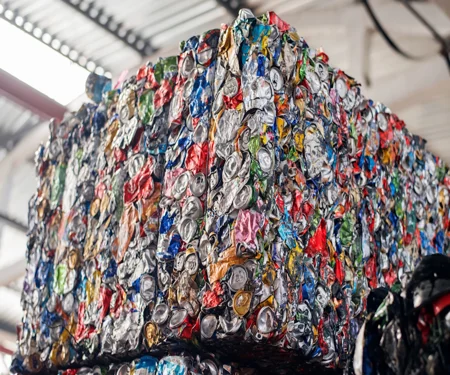
The vehicle company has already outlined to clutch sustainability to a new level in its "Neue Klasse" models from the middle of the decade by significantly reducing its resource consumption per vehicle. This will be performed by increasing the percentage of secondary material such as recycled aluminium among other materials.

The next factor is the growing percentage of secondary material in the battery cells and the high-voltage battery as a whole. The housing in the BMW iX already contains up to 30% secondary aluminium and up to 50% secondary nickel, which is a key raw material, is used in the battery cell.
On the other hand from the usage of green power, BMW is also lining up to use solar power in the future for the production of aluminium - a highly energy-intensive method.
Govt. approves Incentive Scheme for promoting battery storage manufacture; Use of domestic bauxite as raw material to grow
Next articleRomania’s import of aluminium foil during 2018-20 reveals unstable movement
Grow with
AL Circle