BMW, MINI to include cast aluminium wheels made of 100% green energy
BMW group is advancing towards sustainability. Starting in 2024, it is planning to employ cast aluminium wheels made of 100% renewable energy for its BMW and MINI brands. To date, wheels have been responsible for around 5% of supply chain CO2 emissions. These emissions will be cut in half if the global auto brand switches to more sustainable products that use green energy.
“Green power is one of the biggest levers for reducing CO2 emissions in our supply chain. We have already signed more than 400 contracts with our suppliers, including suppliers of wheels and aluminium, requiring them to use green power,” says Joachim Post, BMW AG's Purchasing and Supplier Network member.
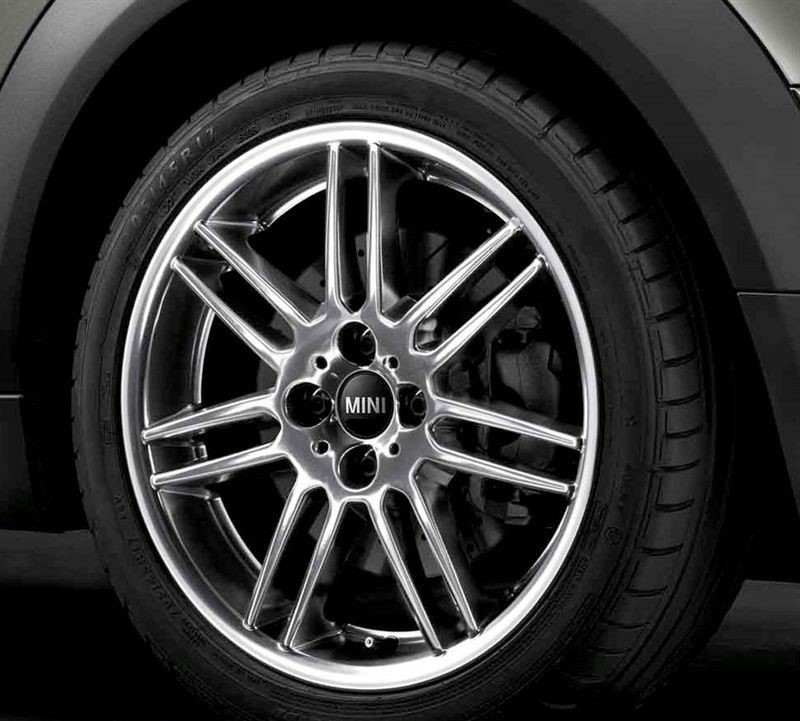
MINI will be a pioneer in this industry in 2023 when the new generation of the MINI Countryman will debut light-alloy cast wheels constructed from 70% secondary aluminium. When compared to traditional manufacturing methods, a combination of 100% green electricity for production and 70% secondary raw material content can cut CO2 emissions by up to 80%.
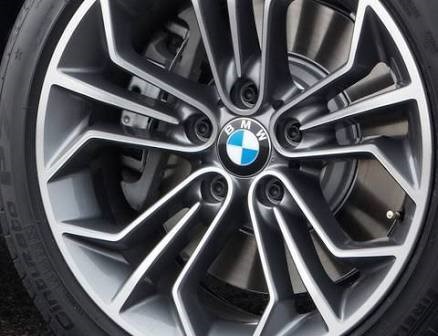
The BMW Group buys around 10 million light-alloy wheels each year, with cast aluminium accounting for 95% of the total. The BMW Group can assure responsible and sustainable use of aluminium by its contracted producers through independent audits, saving up to 500,000 tonnes of CO2 each year.
Since 2021, the BMW Group has sourced aluminium from the United Arab Emirates, which is produced entirely with solar-generated electricity. The aluminium produced in Dubai is processed at BMW Group Plant Landshut's light metal foundry, where it is utilised to make body and drive train components. The 43,000 tonnes of solar aluminium generated this way meet nearly half of the Landshut light metal foundry's yearly needs.
Another step toward decreasing CO2 emissions in the BMW Group supplier network is the switch to 100% green electricity for the manufacture of cast aluminium wheels. By 2030, the goal is to cut emissions across the supply chain from current levels. Increasing the amount of secondary aluminium in this process in a systematic way contributes to sustainability.
The change will affect the energy-intensive electrolysis process used to make aluminium, as well as the wheel-casting process. All BMW Group suppliers have signed equivalent agreements to reduce their carbon emissions.
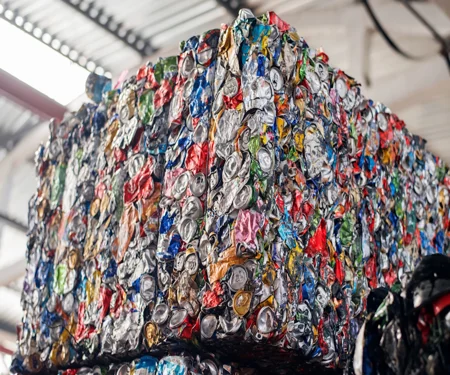
As part of the circular economy, aluminium has high recycling qualities, making it easier to melt down old wheels. The fundamental raw material may now be produced without the need for energy-intensive electrolysis. At the same time, the secondary raw material must match the BMW Group's stringent quality, design, safety, and mechanical characteristics standards.

BMW foundry in Germany has been awarded an ASI (Association of Suppliers of Aluminium) accreditation for its sustainable use of aluminium in December 2019. BMW Group has been participating in worldwide programmes aimed at standardising raw material extraction. The Aluminium Stewardship Initiative (ASI) is a non-profit organisation funded by environmental and industry groups, NGOs, aluminium producers, and processing corporations. Several of its aluminium wheel suppliers have already joined ASI.
DADA Holdings LLC, Concord Resources Ltd. and Invitalia acquire Slim Fusina Rolling S.r.l through their newly merged Niche Fusina unit, Italy
Next articleDownstream aluminium weekly recap: Hindalco, Vedanta trim their aluminium prices, Press Metals raises US$231 million for upgrading its machining facilities
Grow with
AL Circle