BIS certification delay results in an increased import rush for beverage cans
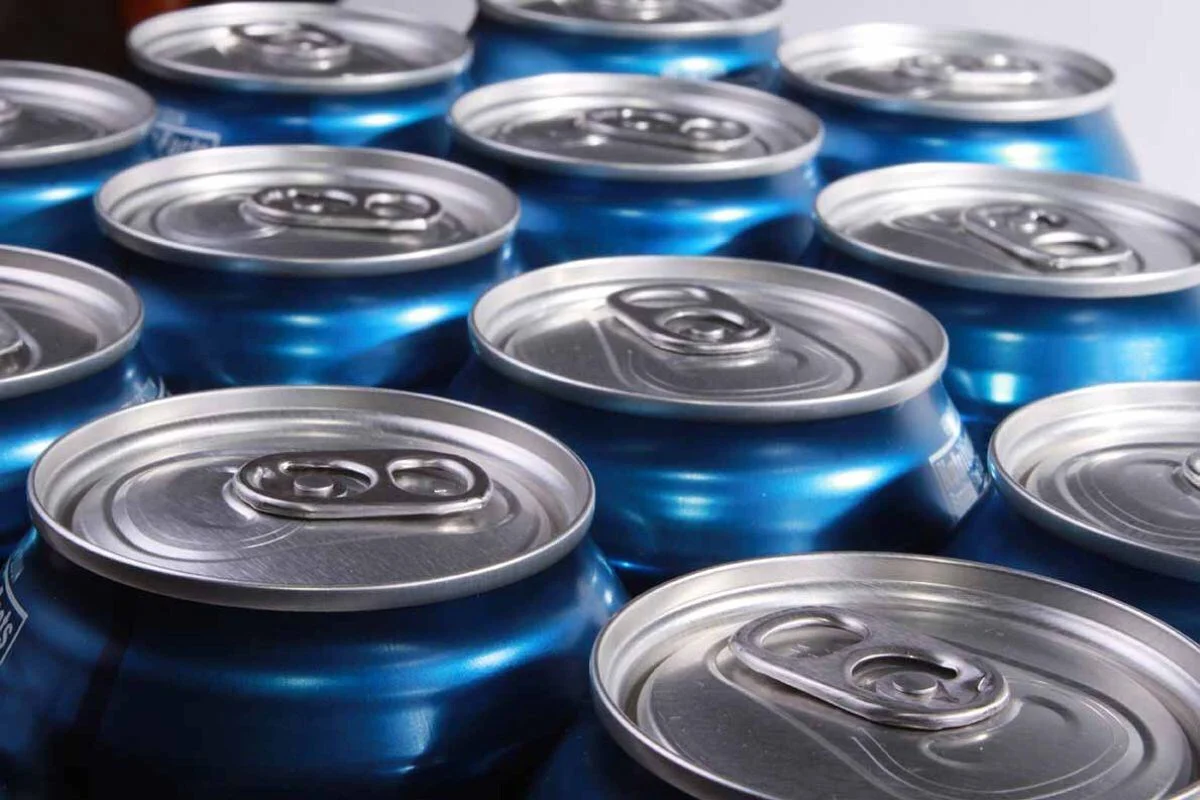
Just ahead of summer, India is facing a shortage of aluminium beverage cans, which is threatening supplies for soft drinks and beer manufacturers like Coca-Cola and United Breweries Ltd (Kingfisher). Officials in the beverage industry report doubled imports of beverage cans from Sri Lanka and the Middle East to avoid disruptions. This is caused by regulatory delays in aluminium can manufacturing approvals, as well as surging seasonal demand.
Explore- Most accurate data to drive business decisions with Outlook 2026 insights across the value chain
In April 2025, aluminium cans were brought under mandatory Bureau of Indian Standards (BIS) certification through a Quality Control Order (QCO). The step was taken with an aim for freshness improvement, safety and recycling purposes. According to the updated regulations, both domestic and overseas manufacturers are to comply with detailed specifications covering material composition, lids, dimensions, seam strength, pressure tolerance, leak prevention, chemical stability, and internal and external coatings.
Regulatory bottlenecks, supply gaps, and seeking temporary relief
Executives have noted that approvals are often taking longer due to inspection of overseas factories, leading to a slow certification process. With summer production planning already underway, manufacturers say they need empty cans in place by the end of February to meet demand.
The issue was first highlighted publicly by United Breweries during its June-quarter earnings call last year. Managing Director Vivek Gupta mentioned at the time that the shortage of cans had reduced revenue growth by 1 to 2 per cent in April-June 2025, adding that there was “no quick fix” to address the supply crunch.
“In order to ramp up production for the summer season, empty cans must be available by the end of February,” said Vinod Giri, Director General of the Brewers Association of India (BAI), which represents United Breweries, AB InBev and Carlsberg. According to Giri, the industry is in discussions with the Department for Promotion of Industry and Internal Trade to seek a temporary extension of BIS certification requirements for imported cans, as adding domestic capacity or certifying overseas facilities will need time.
A rapid growth was noted in the demand for aluminium cans, now accounting for above 25 per cent of annual soft drink and beer sales, approximately double their share from the last two years. Industry executives mentioned the consumers’ increased preference for cans as they are perceived as more premium, easier to handle, and simpler to recycle than glass or PET bottles.
Increasing dependence on imports
A leading cola company’s senior executive mentioned that the supply imbalance the previous year caught the industry off guard, as domestic producers were unable to meet rising demand. While imports from the Middle East helped partially bridge the gap, geopolitical tensions in the region disrupted shipments. Based on updated demand forecasts, in order to prevent a similar crisis this summer, companies have doubled their import orders.
Presently, beverage companies import about 20 per cent of their aluminium cans, sourcing mainly from Sri Lanka and Middle Eastern countries such as the UAE, where manufacturing costs are lower, and capacity is higher. Beer makers also bring in 500 ml cans from Germany, Thailand, Poland and Indonesia.
According to BAI, beer companies faced a shortfall of 120-130 million units of 500 ml cans in 2025. If the gap is not filled through imports, the association estimates a potential INR 13 billion (USD 143 million) loss in state excise revenue. In a representation submitted to the government in the previous quarter, BAI sought interim relaxations to the QCO to allow overseas supplies to continue without disruption.
Can manufacturers such as Ball Beverage Packaging and Canpack stated that domestic production is currently stretched, and adding new manufacturing lines could take up to a year. In the last 12 months, Coca-Cola, PepsiCo and Reliance Consumer introduced small cans in packs starting at 200 ml at Rs 10 onwards, including a variety of energy drinks.
Despite near-term supply challenges, the long-term outlook remains positive. Persistence Market Research, the research firm, has estimated that India’s aluminium beverage can market will grow from about USD 400 million in 2025 to USD 800 million by 2032. The beverage can segment recorded 8.5 per cent growth between 2019 and 2023.
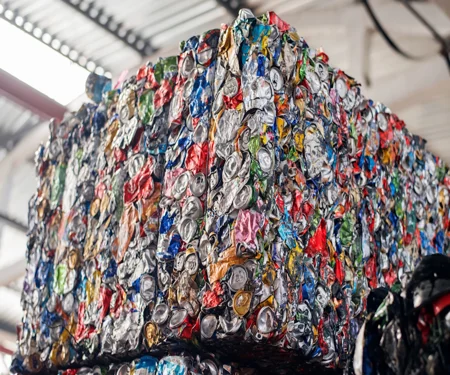
Image source: https://www.canends.com/
Must read: Key industry individuals share their thoughts on the trending topics

AB InBev to buy back 49.9% stake in US can plants to cut canned beer costs
Next articleWhisky in aluminium bottles? Scottish distillery’s unconventional approach to environmental concerns
Grow with
AL Circle