23 AUGUST 2012Miningweekly.com
BHP shuts silicomanganese plant, puts aluminium assets for impairment tests
Edited by : AL CIRCLE
3 min read

Diversified miner BHP Billiton has shut its South African Metalloys silicomanganese plant “permanently” and confirmed that its South African aluminium assets have been subjected to impairment testing.
With energy coal prices also lower, the latest results presentation of BHP Billiton for the financial year to June 30 deliver a sombre message to South Africa, which also no longer features in the company’s capital expenditure programme, involving an investment of totalling $22-billion.
“Assets must continue to earn their right to be in the portfolio,” South African-born BHP Billiton CEO Marius Kloppers said on Wednesday adding that the company’s willingness to act decisively had been demonstrated in its decision to close the silicomanganese plant.
BHP Billiton is also in the process of selling its 37% non-operated interest in South Africa’s Richards Bay Minerals and “other targeted divestments are being considered”.
Kloppers told analysts that there was pressure on the company’s manganese and aluminium businesses – which with energy coal represent BHP Billiton’s main remaining South African assets.
The improved rail performance of BHP Billiton’s energy-coal business in South Africa, Becsa, may prove a saving grace as the spotlight falls on the company’s energy-coal businesses, which have been hit by gas generation exceeding coal-fired power generation in the US for the first time in 30 years, resulting in exported US coal depressing coal prices.
Kloppers reiterated that, going forward, the exclusion of assets that failed to generate cash would continue to be the hallmark of the company.
“It’s tough love always in our organisation,” Kloppers promised analysts.
For some time now, the world’s largest mining company has been treating aluminium – which it smelts at Hillside in KwaZulu-Natal – as noncore from an incremental capital-investment viewpoint.
Kloppers confirmed to alumina and aluminium assets had been subjected to impairment testing, with a wider band allowed for the Worsley alumina ramp-up in Australia.
The biggest variable as the company looked at its cost structures continued to be exchange rates in South Africa and Australia.
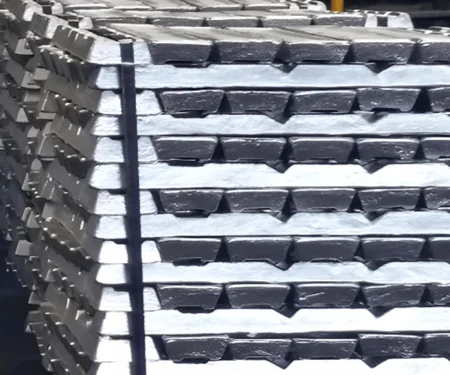
Aluminium prices remained depressed and rapid growth in Chinese smelting and refining capacity had led to significant oversupply, despite the relatively strong growth in demand for aluminium.
Ironically, aluminium recorded the highest demand growth of all of the major traded metals in the period, but 80% of aluminium demand growth to 2020 had already been met by supply projections.
By the end of 2015, low-cost supply would have met the entire aluminium demand forecast.
On that basis, the aluminium market is likely to change at the variable cost of production for the foreseeable future.
With energy coal prices also lower, the latest results presentation of BHP Billiton for the financial year to June 30 deliver a sombre message to South Africa, which also no longer features in the company’s capital expenditure programme, involving an investment of totalling $22-billion.
“Assets must continue to earn their right to be in the portfolio,” South African-born BHP Billiton CEO Marius Kloppers said on Wednesday adding that the company’s willingness to act decisively had been demonstrated in its decision to close the silicomanganese plant.
BHP Billiton is also in the process of selling its 37% non-operated interest in South Africa’s Richards Bay Minerals and “other targeted divestments are being considered”.
Kloppers told analysts that there was pressure on the company’s manganese and aluminium businesses – which with energy coal represent BHP Billiton’s main remaining South African assets.
The improved rail performance of BHP Billiton’s energy-coal business in South Africa, Becsa, may prove a saving grace as the spotlight falls on the company’s energy-coal businesses, which have been hit by gas generation exceeding coal-fired power generation in the US for the first time in 30 years, resulting in exported US coal depressing coal prices.
Kloppers reiterated that, going forward, the exclusion of assets that failed to generate cash would continue to be the hallmark of the company.
“It’s tough love always in our organisation,” Kloppers promised analysts.
For some time now, the world’s largest mining company has been treating aluminium – which it smelts at Hillside in KwaZulu-Natal – as noncore from an incremental capital-investment viewpoint.
Kloppers confirmed to alumina and aluminium assets had been subjected to impairment testing, with a wider band allowed for the Worsley alumina ramp-up in Australia.
The biggest variable as the company looked at its cost structures continued to be exchange rates in South Africa and Australia.
Aluminium prices remained depressed and rapid growth in Chinese smelting and refining capacity had led to significant oversupply, despite the relatively strong growth in demand for aluminium.
Ironically, aluminium recorded the highest demand growth of all of the major traded metals in the period, but 80% of aluminium demand growth to 2020 had already been met by supply projections.
By the end of 2015, low-cost supply would have met the entire aluminium demand forecast.
On that basis, the aluminium market is likely to change at the variable cost of production for the foreseeable future.
Previous article
LME aluminum to move between USD 1,860-1,890/mt: SMM Morning Review
Next articleAlcoa applies for modernization permits for its Massena plants
Grow with
AL Circle