Beijing cuts EV subsidies to justify their carbon credit program and push automakers to produce more EVs
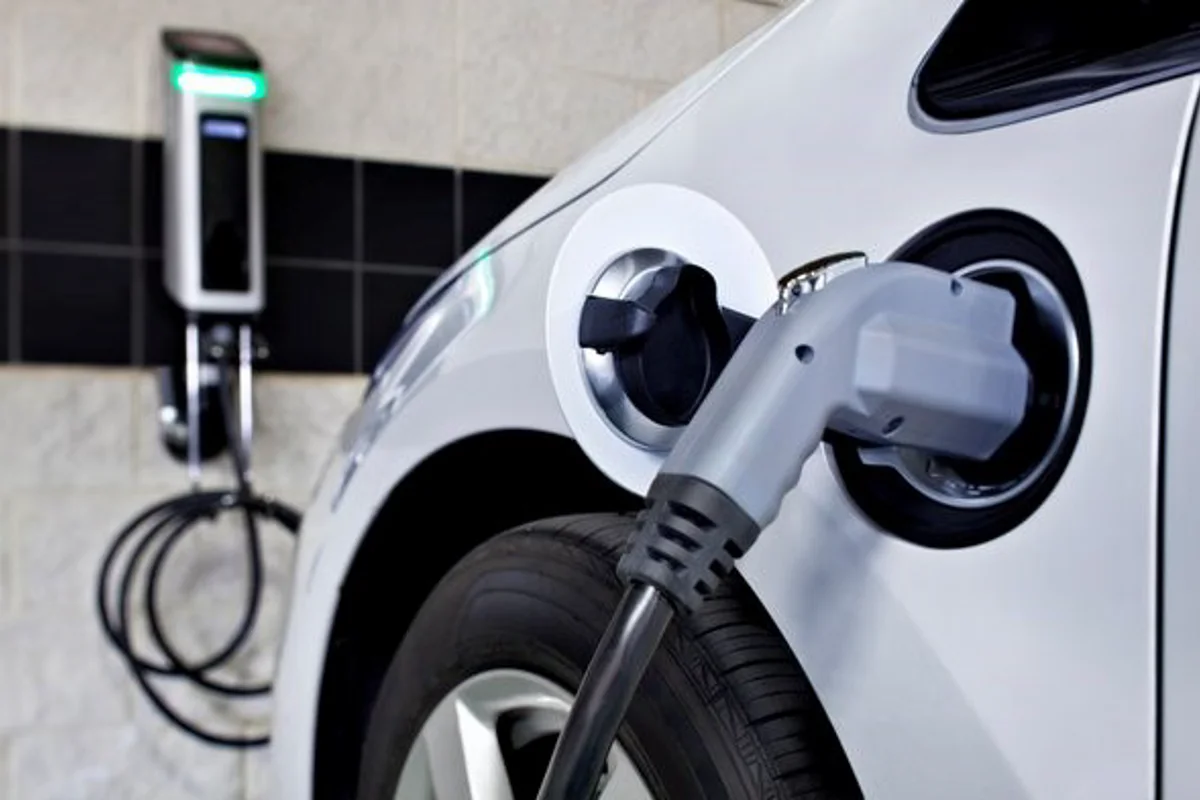
This week Beijing has cut financial incentives for domestic electric vehicles and plug-in hybrids by some 75%. This has slashed subsidies on EV manufacturing in China and the government has barred provincial governments from allowing any extra subsidy. According to the government, the aggressive move was intended to cut down on local protectionism and prevent domestic automakers from relying on subsidies for manufacturing and sales of EVs.
Analysts say there could be other factors prompting Beijing to cut subsidies much more than expected. Central and the provincial governments are under fiscal pressure due to the liberal subsidies they have been offering to the manufacturing sector. The government aims at reducing this burden.
The Chinese government hasn’t disclosed the amount of subsidies it has provided for EVs and plug-in hybrids. According to the International Institute of Strategic Studies China spent aboutUS$36.5 billion in government subsidies for EVs from 2009 to 2017.
Beijing is now cutting business taxes to stimulate the slowing economy and cutting down on its subsidy programme to manage the budget deficit. The Central government is also being pressurise by Trump to cut down on their subsidies and change their industrial policies.
According to a Wall Street Journal report, China presented their plan to scrap subsidies for domestically manufactured electric vehicles during the trade negotiations between China and the United States, in order to resolve bilateral trade disputes.
Beijing also fears the rapid growth of EV production in China may derail its new carbon credit program. Ironically both subsidies and carbon credit program were designed to incentivize the growth of EVs and plug-in hybrids.
According to the carbon credit program passenger car manufacturers in China must accumulate enough credits by producing enough EVs and plug-in hybrids to hit about 10 per cent of annual sales in 2019 and 12 per cent for 2020. The program also allows carmakers to buy carbon credits from peers.

As the domestic automakers continue to boost EV outputs lured by the attractive subsidies, the price of carbon credits they generate keep falling. In 2018, EV production increased 66 per cent to 792,000 while plug-in hybrid soared 143 per cent to 278,000. Carbon credits traded at a range between 300 yuan and 500 yuan each in January. The low prices have made it hard for the carbon credit program to entice companies to expand electrified vehicle output. The government thinks slashing subsidies will do justice to the carbon credit programme and stabilize EV and plug-in hybrids production.
It is said that Beijing is set to phase out the subsidy program for EVs and plug-in hybrids by the end of 2020. This will justify the carbon credit programme and actually push manufacturers to produce EVs without sibsidies. China's environmental policies and EV growth, the two megatrends are expected to boost demand for most commodities including aluminium and lithium.
Aluminium glazing specialist opens new retail outlet for building materials
Next articleHydro completes MBG acquisition to strengthen its position in building systems segment
Grow with
AL Circle