Before sanctions on Venezuela and the likes, Trump’s tariff-induced tussle was already global
The US attack on Venezuela has pulled eyeballs from nations across the globe. From the Venezuelan President and his wife’s arrest to zealing to take control of the attacked country’s vast oil reserve, the US supremo’s actions have stirred quite a debate on the world forum. But when we reminisce the past, we have realised that this is not the first time that the world has gone gaga over a Donald Trump-imposed decision.
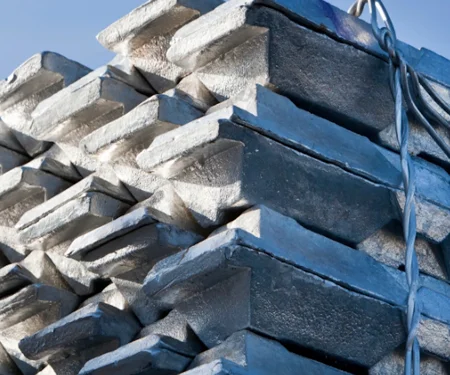
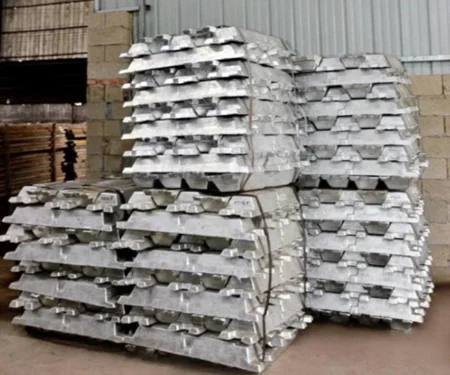
Long before sanctions on Caracas, On March 1, 2018, the US President, Donald Trump, announced his intention to impose a 25 per cent tariff on steel and a 10 per cent tariff on aluminium imports. In a tweet the next day, Trump declared, "Trade wars are good, and easy to win." On March 8, he signed an order to impose the tariffs effective after 15 days. Not long after, the list of exemptions, alterations and modifications started pouring in.
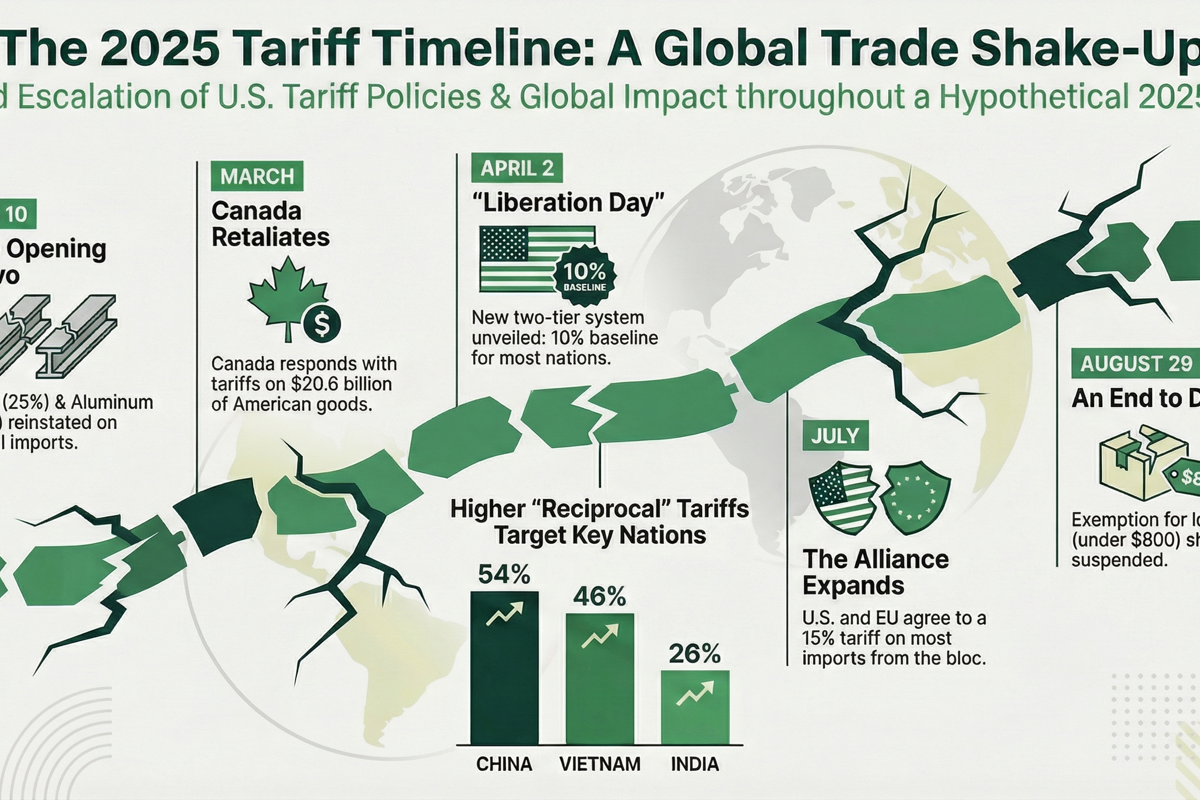
After Democratic nominee Joe Biden won the 2020 election, many might have thought that the haze of tariff is over. In reality, tariff was coming back stronger. Donald Trump formally announced his campaign for the 2024 elections on November 15, 2022, and since then, tariffs have been his one of the strongest modus operandi to come back to the Oval Office. And since he came back in January 2025, tariffs have again grabbed headlines. Here’s how the world has witnessed the US going to and fro about it during 2025, and subsequently how retaliations formed and resolved (or have they?) during the timeline.
Unlock full access – sign up for FREE.
Key benefits
600 MW on offer, almost 3 GW delivered: Dominican tender ignites race
Next articleREalloys-MCM pact leads to unconventional route to the US rare earth security
Grow with
AL Circle