BCA shares 2026 aluminium production outlook — a journey through ups and downs

According to BCA Research, aluminium prices are expected to remain comparatively firm in the near term, owing to the tight primary supply in China and the wide pricing difference between copper and aluminium.
Explore- Most accurate data to drive business decisions with 50+ reports across the value chain
A key factor here is China’s primary aluminium production constraints. The country is approaching its annual cap of 45 million tonnes, a limit first implemented in 2017 and renewed under the 2025-2027 Action Plan.
Roukaya Ibrahim, Chief Commodity Strategist at BCA, noted in simple terms, “Chinese primary aluminium production is close to its ceiling.”
This marks the conclusion of an expansion of several decades that delivered over 80 per cent in global growth of primary aluminium supply. With little sign of a valid increase in output outside China, supply conditions continue to offer short-term support for prices.
On the demand side, aluminium has gained from its relative pricing versus copper. Aluminium costs significantly less than copper, prompting substitution in certain end uses, particularly in electrical applications.
Aluminium prices have climbed in tandem with copper in recent months. According to SMM, as of December 2025, copper price has been around USD 11,859.36-11,919.65 per tonne and aluminium price around USD 2,764.51-2,769.53 per tonne. Addressing this, Ibrahim remarked, “As long as the red metal’s premium remains wide, substitution is likely to act as a tailwind to aluminium demand and prices.”
2026 outlook
The outlook of 2026, however, is likely to weaken. Ibrahim expects that deterioration in global manufacturing conditions will put pressure on prices, indicating a decline in new orders in the global PMI. In her opinion, PMI might slip into contraction territory next year, dampening aluminium demand and reducing its importance as a substitute if copper prices also decline.
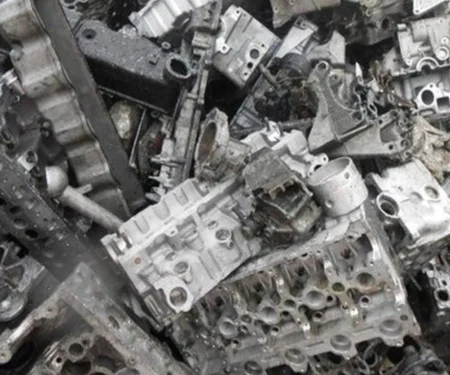
From a supply perspective, the rising secondary aluminium output in China and the expansion of its overseas capacity are likely to help compensate for the slowdown in domestic primary aluminium production growth.
Regional differences in electricity costs have been highlighted as a crucial factor in determining how quickly aluminium production outside China can respond to constraints on Chinese primary aluminium production.
Must read: Key industry individuals share their thoughts on the trending topics

Aluminium gains as LME prices approach highest levels since May 2022
Next articleAluminium cash offer hits USD 2,932/t as LME momentum builds
Grow with
AL Circle