Australian unions push for state-backed green power to support aluminium industry
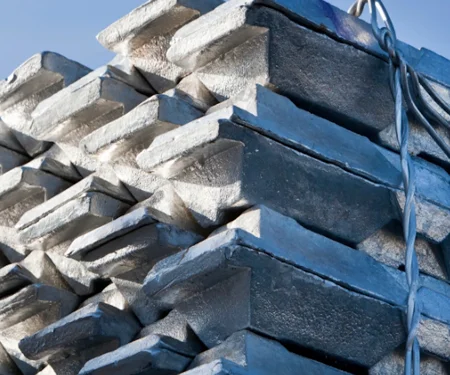
Stock image for referential purposes only
Australian unions have called on the federal government to establish a state-owned renewable energy company to provide low-cost electricity to aluminium smelters and other energy-intensive industries, arguing that private power markets are failing to deliver affordable long-term energy supplies.
The proposal, outlined in a report by the McKell Institute and backed by the Electrical Trades Union (ETU), would create a new government-owned entity called "Sovereign Power" to build, own and operate renewable energy and storage projects and supply electricity to major industrial users at cost.
According to the report, Sovereign Power could provide electricity at around AUD 65-66/MWh, significantly below current market contract prices of about AUD 117/MWh. The lower cost would stem from government financing, which carries a lower cost of capital than private-sector projects.
The proposal is aimed at supporting industries including aluminium smelters, alumina refineries, steelworks, zinc and copper smelters, cement plants, critical minerals processing and advanced manufacturing. Supporters argue that affordable electricity is essential to maintaining Australia's industrial competitiveness and expanding domestic processing capacity.
The report comes despite significant government spending on industrial and energy-transition programmes, including the AUD 22 billion future made in Australia initiative and the capacity investment Scheme. The authors argue that renewable energy projects are not being developed quickly enough and that private electricity markets cannot provide the long-term, low-cost power contracts required by heavy industry.
The aluminium sector has emerged as a key focus of the debate. Rising power costs have threatened the competitiveness of Australian smelters, with the federal government-owned Snowy Hydro expected to play a role in supplying electricity to Rio Tinto's Tomago aluminium smelter in New South Wales.
ETU National Secretary Michael Wright said Australia's competitors, including countries in Europe and North America, provide low-cost public electricity to support heavy industry, while Australia relies on increasingly expensive market-based power supplies. He argued that affordable renewable electricity is critical to securing the future of industries such as aluminium, steel and critical minerals processing.
Supporters say the proposed model would help preserve industrial capacity, encourage investment in downstream processing and reduce reliance on repeated government support packages for strategically important manufacturing facilities.
Discover how leading aluminium companies are driving the next phase of the sustainability transition from our e-Magazine, “Sustainability & Recycling: Aluminium’s Dual Commitment.”

Europe’s aluminium sector hit by rising costs, lower output and weak demand
Next articleRio Tinto emphasises on automation and low-carbon aluminium production amid valuation concerns
Grow with
AL Circle