Ather trims aluminium use as cost surge tests EV margins
Ather Energy, a premier Indian electric two-wheeler manufacturer, has announced that it is pivoting its engineering approach to tackle the rising raw material costs. The firm aims to cut down on aluminium usage to protect itself from shrinking profit margins. As per the industry reports, from April 7, 2026, a global shortage of aluminium has been witnessed, which made it worse due to the supply chain issues because of the Strait of Hormuz closure, which pushed the domestic prices to nearly INR 45 (USD 0.48) per kg since late February.
Undertaking a different strategy
The firm, which is known for its sleek and premium aluminium frames, is looking for other materials as a substitute to keep its profitability on track. Owing to this, the firm will be exploring high-strength, low-cost alloys and composites for less critical structural parts as part of its strategy to switch materials.
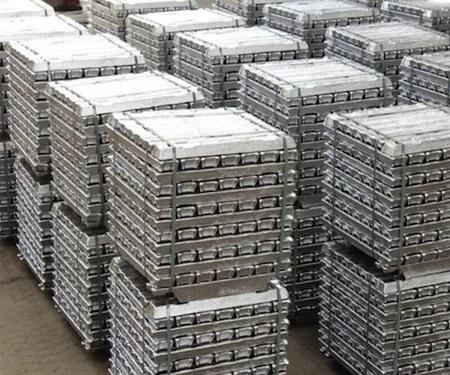
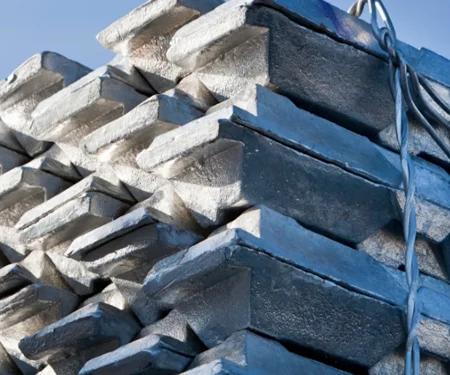
In order to mitigate the rising cost of primary aluminium, which has hit a four-year high of USD 3,600 per tonne on LME, the firm is increasing the use of recycled aluminium. This shift makes the firm incur lower costs as well as boost the firm’s sustainability profile.
Moreover, for redesigning the chassis, the engineers are working on a “production optimisation” cycle for the upcoming models under the EL platform, aiming for a 10–15 per cent reduction in aluminium use per vehicle by redesigning the chassis.
Also read: Aluminium price surge and regional supply disruptions hit India’s electric two‑wheeler industry
Rising pressure on the financials due to rising costs
Irrespective of the firm recording high sales in March 2026, the rising cost of commodities like aluminium, copper and other noble metals is deemed to create pressure on its profit and loss statement.
Concerning the firm’s financial metrics, Earnings Before Interest, Taxes, Depreciation, and Amortisation (EBITDA) saw an improvement of +1,300 basis points in FY25, with a goal to push that to +1,400 basis points in FY26. The cost of aluminium has jumped from about INR 315 (USD 3.38) per kg in FY25 to roughly INR 358 (USD 3.84) per kg in FY26, which is a 14 per cent hike. Meanwhile, the company is aiming for a cost reduction of 10–20 per cent through engineering efforts.
On the revenue side, growth was around 50 per cent year-on-year in FY25 and it is expected to soar past INR 1,000 crore (USD 107 million) per quarter in FY26.
Must read: Key industry individuals share their thoughts on the trending topics
Firm's cost control strategy
Tarun Mehta, the CEO of Ather Group, pointed out that, irrespective of the battery costs remaining somewhat manageable, the “vehicle side”, indicating the price of the chassis and other components, is still in an unpredictable condition. For this, the firm has decided to keep a limited price increase, where it will be making slight adjustments to the prices of certain 450-series models in early April.
However, the firm's management has admitted that it is not able to fully pass on the 10-12 per cent rise in the overall aluminium costs to the consumers, especially those who are said to be sensitive to the price changes.
Nonetheless, the firm, in order to tackle this challenge, will now be concentrating on improving the operational efficiency, where the plan includes doubling its retail network to 700 stores. Further, with this strategy, the firm aims to spread out the fixed costs over a larger volume of sales.
Don’t miss out- Buyers are looking for your products on our B2B platform
Where will it position itself in the market?
As the firm moves closer to its 2026 IPO, the push for cutting down the aluminium use marks as a critical "de-risking" step.
As of April 8, 2026, the company has successfully dematerialised all its securities, which is a crucial requirement for any Indian company to go public. This initiative to keep costs in check comes at a time when the firm's market share has impressively climbed to 18.7 per cent, given the strong sales of the family-friendly Rizta scooter.
Note for the investors
While keeping the “premium feel” in its scooters, the firm is focusing on enhancing its efficiency as well as cutting down its reliance on the expensive aluminium. By adapting to this new strategy, the Indian EV economy may have new standards.
Additionally, competitors like Ola Electric witnessed a surge of 61 per cent this month and are now also adjusting their overall strategy. The company is said to be placing a greater emphasis on producing its own LFP cells to safeguard its profit margins.
Check out the LME historical and daily aluminium price seamlessly here
_0_0.png)
Rare earth magnet demand set to rise 30% by 2030 as EV adoption accelerates
Next articleBicycle and E-Bike market shielded from US metals tariffs
Grow with
AL Circle