As the US and EU ring-fencing aluminium scrap through targeted measures, will Asia withstand the supply pressure?
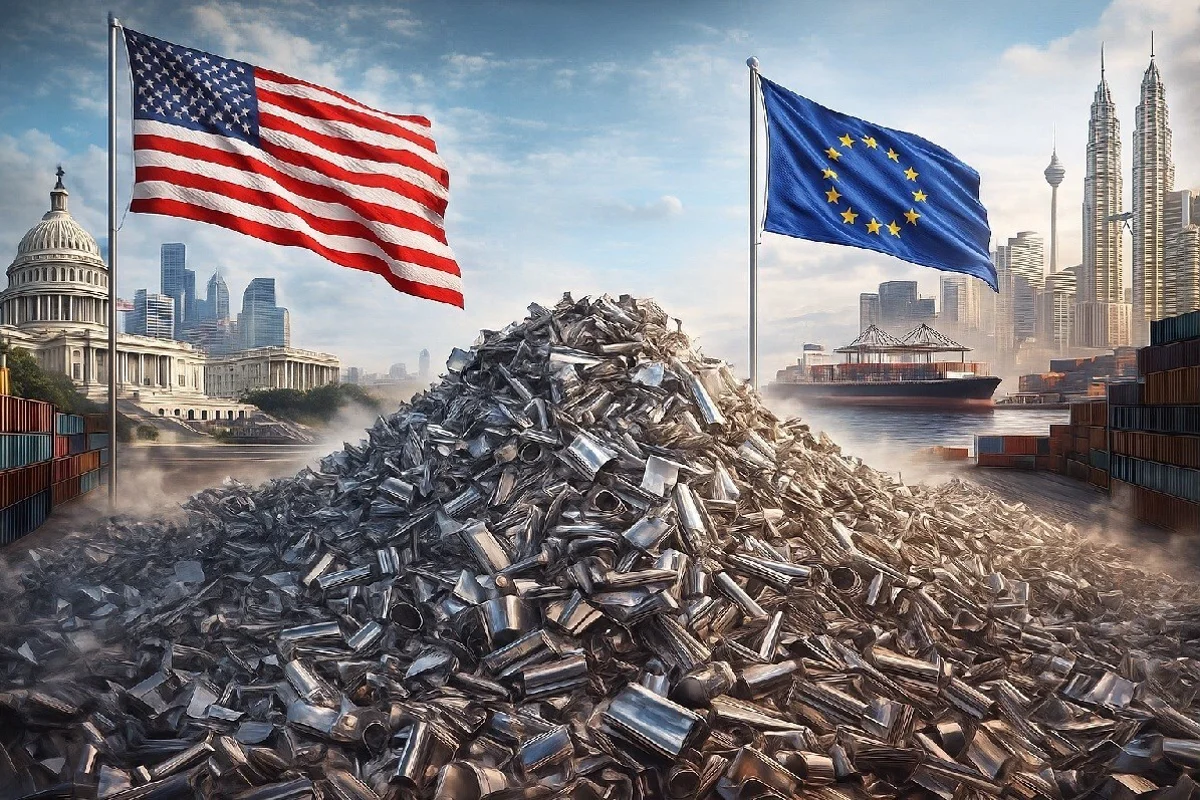
Aluminium scrap has quietly become one of the most protected raw materials in the world specially in United States and the European Union — not through restrictions, but through deliberate exemptions. Washington has carved scrap out of Section 232 tariffs even as it tightened duties on primary aluminium, lifting the tariff rate to 50 per cent by June 2025. The split treatment is intentional. The US has a domestic primary metal shortage of nearly four million tonnes a year, and secondary smelters can expand only if scrap continues to flow in duty-free.
Europe has taken a parallel — but more climate-driven — route. Aluminium scrap is excluded from the EU’s Carbon Border Adjustment Mechanism, which places carbon prices on primary and semi-finished imports but assigns zero emissions to recycled inputs. Brussels argues the exemption reflects scrap’s low carbon footprint, yet it also shields Europe’s secondary aluminium sector, which relies on affordable recycled feedstock for 75–80 per cent of its production.
Including scrap in CBAM would have raised domestic costs by EUR 50–200 per tonne (USD 58 – 232 per tonne) and undercut manufacturers already grappling with energy inflation. By leaving scrap outside the mechanism, the EU has effectively protected its secondary industry while pushing climate compliance costs onto primary metal instead.
Unlock full access – sign up for FREE.
Key benefits
New Valencia–Nestlé pact aims to recover thousands of small aluminium items long lost in sorting
Next articleA new recycled aluminium plant would be built in the Stavropol Territory
Grow with
AL Circle