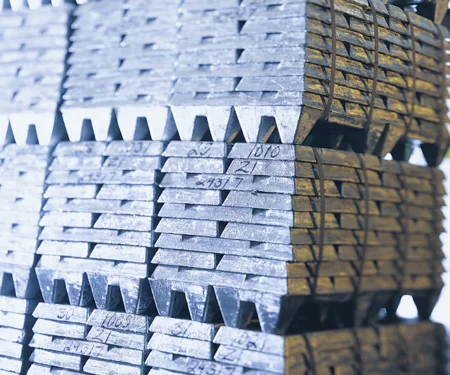
As Fastmarkets embeds CBAM into billet premiums, how do aluminium traders calculate costs?
We were all happy when we heard about the scrap exemption from the CBAM regime. But instead, it turned out to be a two-edged sword. If an EU business imports scrap and manufactures secondary aluminium, it will have to pay the tax for the secondary aluminium manufacturing, in accordance with the ETS system. If the business decides to import secondary aluminium, it still has to pay for CBAM. So, is shelter from tax a mere illusion for European aluminium businesses?
Explore- Most accurate data to drive business decisions with 50+ reports across the value chain
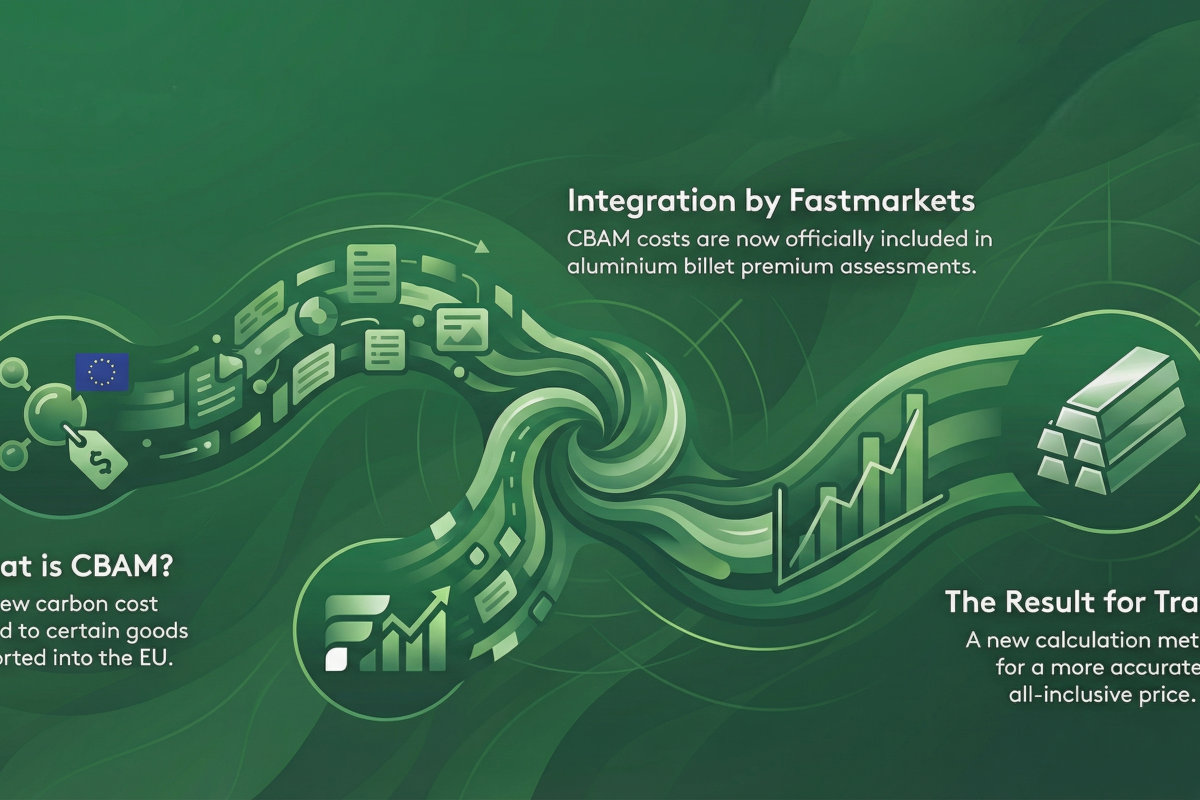
From January 1, 2026, Fastmarkets will include the European Union’s (EU’s) Carbon Border Adjustment Mechanism (CBAM) costs in its secondary aluminium billet premium, DDP Europe (MB-AL-0383) and primary 6063 extrusion billet premium, in-warehouse Rotterdam (MB-AL-0002) assessments.
Unlock full access – sign up for FREE.
Key benefits
SHFE aluminium prices pull back, alloy enterprises actively follow the rise
Next articleAlupro urges households to recycle aluminium packaging this Christmas
Grow with
AL Circle