Galesburg.com
Aluminum Casting plant's expansion plan draws opposition
Edited by : AL CIRCLE
2 min read
An expansion of Aluminum Castings Corporation’s manufacturing operation at its current location at 340 S. Kellogg St. has raised concerns from a city official and residents.
As part of a $2 million expansion that will double the amount of workers the manufacturer employs, the company has told city officials of its plan to expand production to its warehouse. Doing so would require the property to be rezoned from light industry, or M-1, site to heavy industry.
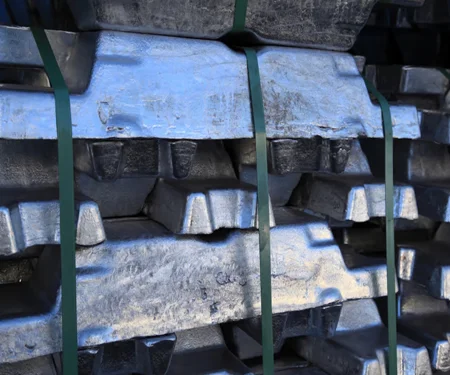
Aluminum Castings Corporation produces sand mold aluminum castings, which require aluminum to be melted in the plant. Markum said the business has been in the same location since 1964.
The city is working with the company to allow such manufacturing in an M-1 zoning site. The city’s planning and zoning commission on May 22 recommended amending the M-1 zoning law to allow for Aluminum Castings Corp. to expand manufacturing into its warehouse. City Manager Todd Thompson and Director of Community Development Roy Parkin agreed with the commission’s recommendation, according to city documents.
Thompson said at Monday’s City Council meeting that the resolution would “essentially (create) a conditional use” of the M-1 zoning laws. According to City Council documents, the resolution as it currently stands would allow Aluminum Castings to “acquire contiguous properties in the block where their facility is located and expand their manufacturing operation on to these properties if needed.”
During a first reading at Monday’s City Council meeting, Alderman Peter Schwartzman, Ward 5, said the company’s increased emissions stemming from the expansion would be potentially hazardous to schools and day care centers in close proximity to the facility. He added that because the company is a relatively small employer, the Illinois Environmental Protection Agency would not oversee its facilities in the manner it does larger employers and producers.
Mayor Sal Garza told Aluminum Castings Corp. President Bret Markum to be prepared to answer these and other questions as the resolution advances through the council. Markum said the company’s practices were safe and that he did not believe the emissions were hazardous.
Markum said the plant employs 30 people, but that the company is looking to employ nearly 50. As of February the company employed 26 workers.
Tagged with:Aluminium casting
Previous article
Aluminum Association appoints new Vice President
Next articleAluminium can plant benefits from the Australian government's grants
Grow with
AL Circle