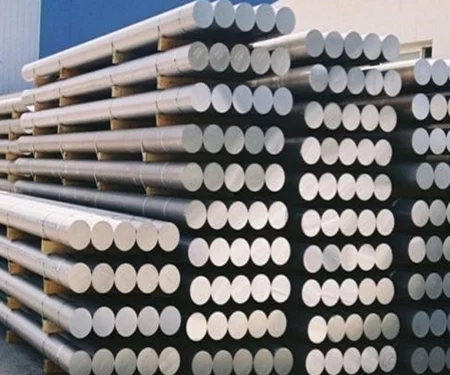
Aluminium scrap imports increased in India during April-September despite auto sector slowdown

According to a recent report, the slowdown in the automobile sector in India could not resist the rise in aluminium scrap imports during April-September of the financial year 2019-20. As per the data submitted to the Ministry of Finance, citing figures from the Society of Indian Automobile Manufacturers (SIAM), the imports have risen by 6.5 per cent, while the Indian auto sector’s production tumbled 13 per cent.
“In the garb of imports for the auto sector, scrap is being consumed in other sectors like electrical transmission and utensils. But the use of scrap in such sectors is detrimental and only primary aluminium should be used,” said an industry source.
The Aluminium Association of India (AAI) feels the benign import duty of 2.5 per cent on scrap is unable to restrict inbound shipments. Meanwhile, domestic primary aluminium producers are confronting high duty differential between primary and scrap. Compared with a duty of 7.5 per cent plus premium over LME prices on primary aluminium, scrap attracts a mild duty of 2.5 per cent.
AAI noted the total difference in duty between primary aluminium and scrap comes to $400-500 per tonne. It also noted the aluminium scrap imports in India are non-essential as there are sufficient primary aluminium capacity and domestic scrap availability.

The country’s primary aluminium industry is facing a heightened threat from scrap imports as that account for 58 per cent of the country’s overall imports in FY19, resulting in a foreign exchange outgo of $2.5 billion or INR 17,200 crore.
During the January-March period of calendar 2019, India already edged past China as the largest scrap importer. In FY19, India’s scrap imports from the US had soared 149 per cent, while total scrap imports rose 21 per cent.
The domestic aluminium industry is, however, pinning hopes on the Government of India’s upcoming Vehicle Scrap Policy that mandates scrapping of 28 million vehicles plying on roads for a decade.
US aluminium scrap exports in September dropped 6% MoM; Malaysia remained the leading importer
Next articleAluminium scrap exports from US to China extend decline in September by 26% MoM
Grow with
AL Circle